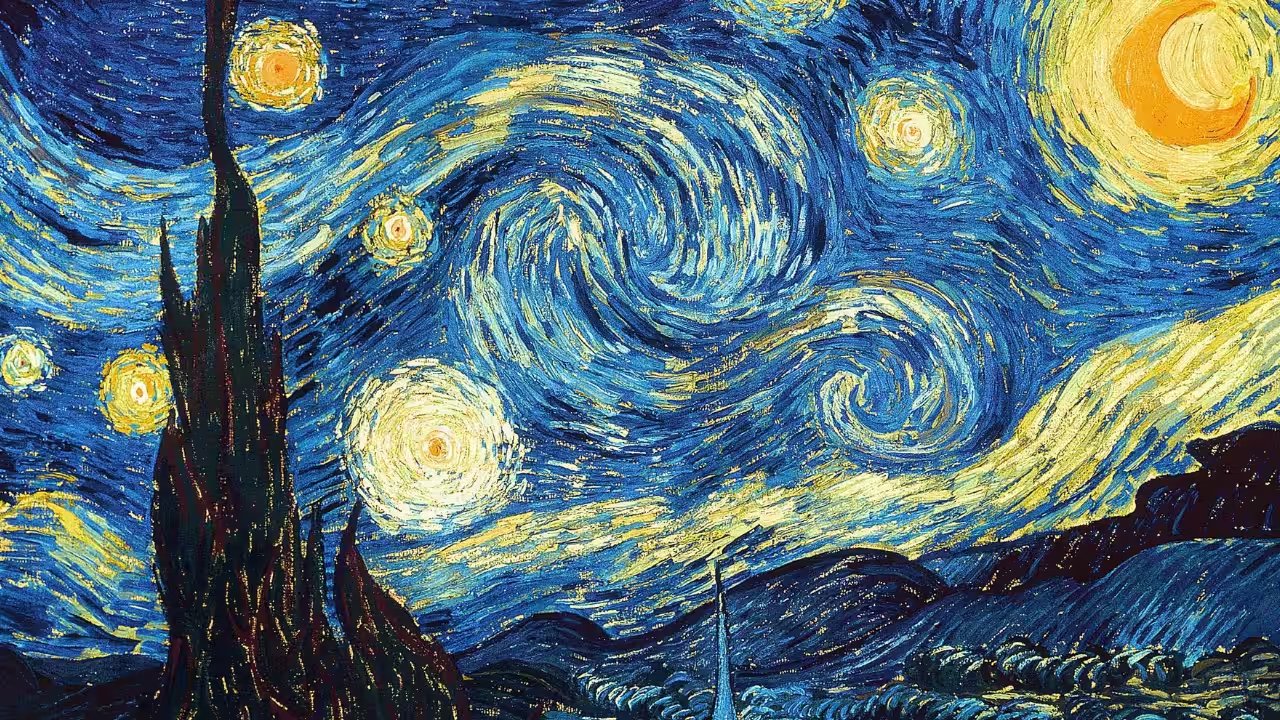
Most people treat Van Gogh’s famous line—“I would rather die of passion than of boredom”—as a dramatic quote from a tortured artist. It sounds like something said in a raw, unguarded moment. But the context is less theatrical and more philosophical.
He wrote it to his brother Theo in October 1884, just before his style fully exploded. He wasn’t mourning his fate; he was advocating for a specific way of living. Boredom, in his view, wasn’t just having nothing to do. It was a slow erosion. It’s the feeling of being there, doing the expected thing, feeling nothing, day after day. Passion, on the other hand, is messy. It’s risky. It can wear you out or end badly. But at least you were awake.
This feels surprisingly relevant in 2026. Modern life is built on comfort and low-stakes routines. The same commute. The same social media feed. The same “sensible” choices that keep the risk of failure at zero. Scrolling has replaced staring out the window, but the numbness is identical. We are optimizing for safety, not meaning.
Van Gogh chose the opposite path. He gave up financial security and conventional success to paint obsessively, often in poverty. He sold only a handful of paintings before he died, yet produced nearly 900 of them. He didn’t do it to be famous. He did it because it was the only thing that felt genuinely right. He knew what he was doing, and he refused to let the safety of boredom take him.
You don’t have to burn your life down to find this. You just have to identify what makes you feel alive and protect it. If your current routine feels like a slow fade, ask yourself: am I choosing this because it’s safe, or because it’s mine? The answer might be uncomfortable. But it’s better to be uncomfortable and awake than comfortable and asleep.