SportsOlympics 2036IndiaPT UshaIOC
PT Usha Confirms India’s 'Rising Together' Bid for 2036 Olympics, Pitches to IOC in November
Published: October 7, 2026
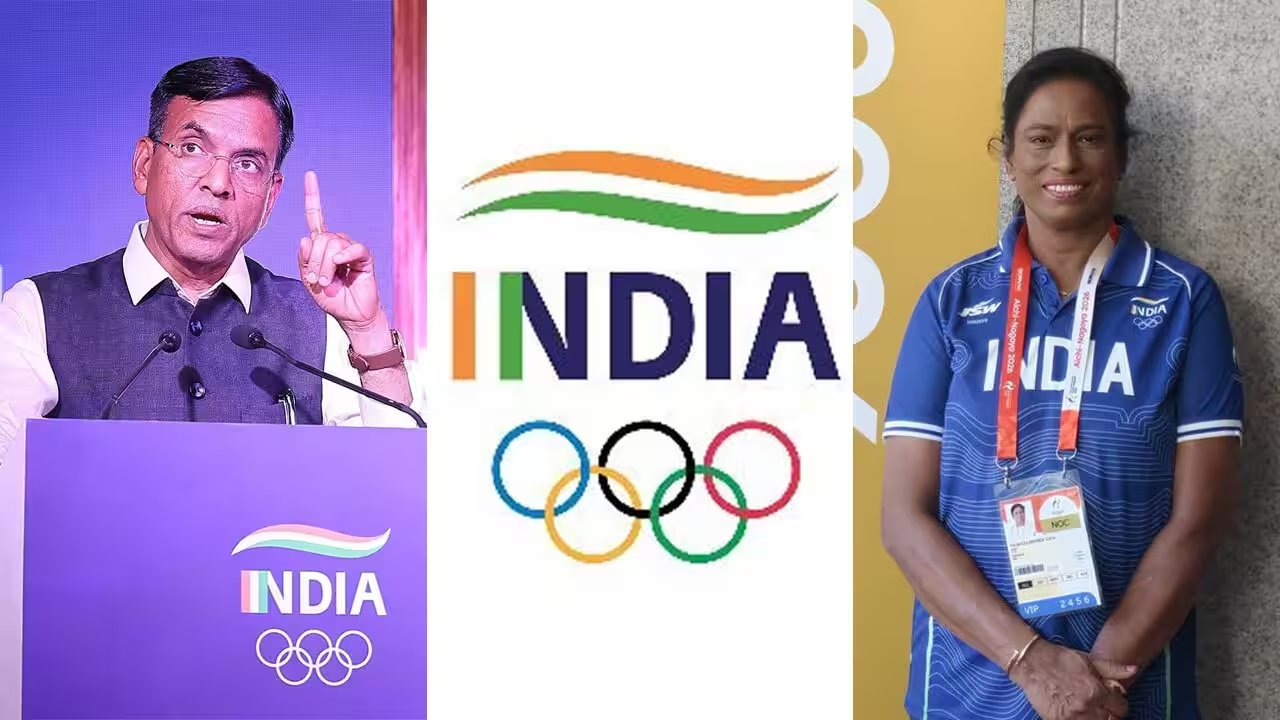
India has officially unveiled its 'Rising Together' vision for the 2036 Olympic and Paralympic Games, with PT Usha confirming a pitch to the IOC’s Future Host Commission by the end of November. The nation is now one of seven serious contenders, including Germany and Qatar, vying for the generational hosting opportunity.
New Delhi isn’t just dreaming; it’s pitching. India has dropped the curtain on its formal vision, dubbed “Rising Together,” for the 2036 Olympic and Paralympic Games. Sports Minister Mansukh Mandaviya and IOA president PT Usha stood firm on the timeline: the country’s first project presentation to the IOC’s Future Host Commission lands at the end of November. It’s a critical deadline. Miss it, and the dream slips further into the fog.
The competition is fierce. India sits alongside six other heavyweights—Germany, Hungary, Qatar, the Republic of Korea, South Africa, and Türkiye. All seven are in active discussions with the International Olympic Committee. Ahmedabad remains the designated host city, having submitted its Expression of Interest back in 2024. But submission is just the entry ticket. The real battle is over the narrative. Mandaviya argues that sport is the engine for national transformation, aiming to shift millions from spectators to participants.
Usha, a legend in her own right, framed the bid not as tourism, but as unity. “Rising Together,” she said, is a commitment to harness India’s energy and diversity. The IOA’s release emphasized that hosting is a “generational opportunity” to place sport at the heart of national life. They want to create a legacy that drives education and employment, not just build stadiums and let them rot. The IOC will scrutinize this legacy plan, alongside venue master plans, funding strategies, and political support.
The road to 2036 is long and bureaucratic. The IOC plans to shortlist candidates in March 2027. Selected projects will enter Strategic Dialogue, with preferred hosts moving to Targeted Dialogue in 2028. The final vote by IOC members is slated for mid-2029. That’s a four-year gauntlet. For now, the focus is entirely on November. Can India convince the committee that its “Rising Together” vision is more than just a slogan? The answer will come when the decks are unveiled.