IndiaAshwini VaishnawPLISocial MediaManufacturing
Ashwini Vaishnaw Posts Rs 19,000‑Crore PLI Stats on X, Fires Back at Critics
Published: October 28, 2026
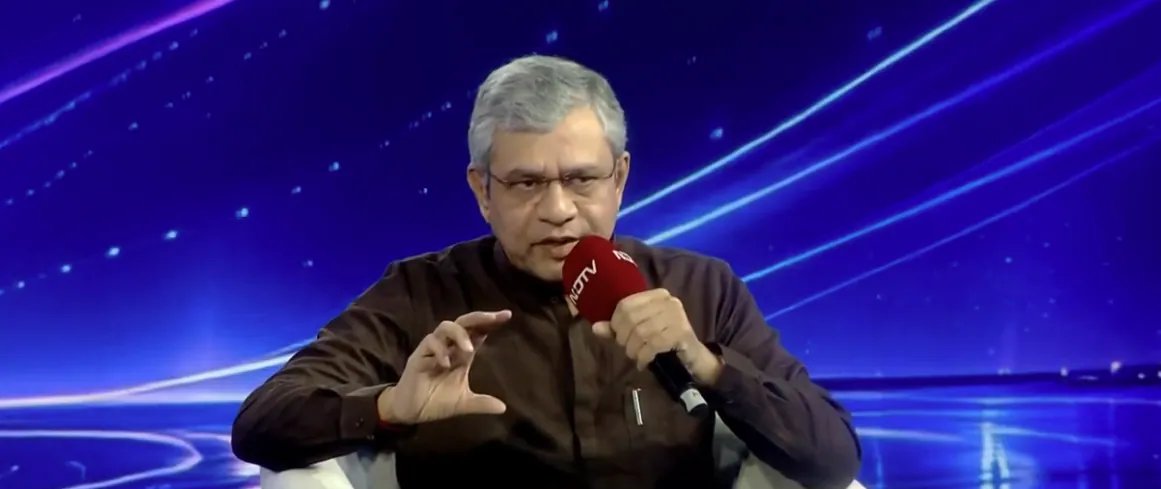
Union IT Minister Ashwini Vaishnaw posted on X on October 27, 2026, detailing that the mobile PLI scheme paid Rs 19,000 crore in incentives and generated Rs 25,000 crore in direct taxes. The post sparked a viral social‑media backlash, with users praising his use of Gen Z slang to counter Bloomberg’s critique.
Ashwini Vaishnaw posted on X on October 27, 2026, a data‑rich reply to a Bloomberg video that questioned India’s electronics manufacturing gains. He listed that the mobile Production‑Linked Incentive scheme paid ₹19,000 crore in incentives, collected ₹25,000 crore in direct taxes and ₹3 lakh crore in GST, and created 12 lakh jobs, before ending with the Gen Z slang phrase “Cope harder.”
The PLI scheme is a pillar of the Make in India strategy, aimed at attracting foreign investment and boosting domestic production. Since its launch, it has already attracted ₹19,000 crore in incentives and, according to Vaishnaw, has generated ₹25,000 crore in direct tax revenue and ₹3 lakh crore in GST. The scheme is credited with creating 12 lakh jobs in the mobile‑electronics segment, a substantial share of the 25 lakh jobs the broader electronics sector now employs.
Bloomberg’s video argued that India’s claim of manufacturing one in four iPhones is undermined by heavy component imports and generous subsidies. Vaishnaw’s post directly refutes this by presenting the tax and GST figures, asserting that the incentives translate into tangible fiscal returns and employment. The minister’s tone—mixing official data with a casual “Cope harder”—was a strategic choice to deflect criticism while keeping the narrative in his own voice.
The tweet went viral almost instantly. Users on X and other platforms praised the minister’s use of Gen Z slang, with one comment noting, “First in my bloodline to see a cabinet minister using Gen Z slang.” Others highlighted his broader achievements, citing 150+ Vande Bharat trains and the launch of the Vikram‑32 chip. The online chatter turned the post into a cultural moment, blending policy data with meme‑style commentary.
The episode underscores the ongoing debate over India’s manufacturing strategy: while the PLI scheme has demonstrably increased domestic output and tax receipts, critics point to persistent import dependence. The next key development is the scheduled parliamentary debate on the future of the PLI framework, where Vaishnaw’s data and the public’s response may shape policy adjustments.