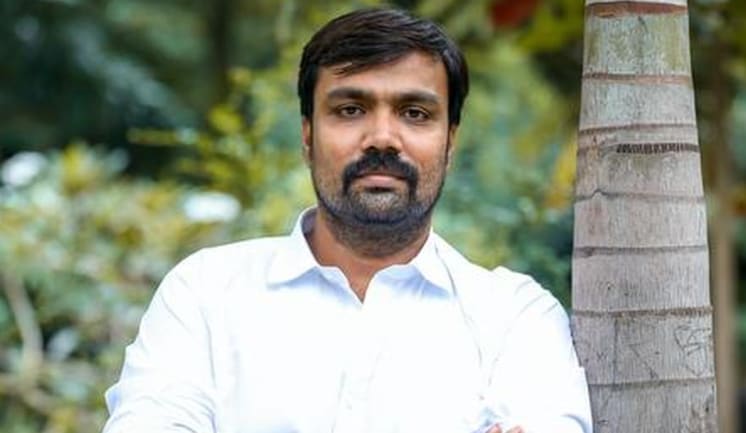
The film is the third time Balaji Tharaneetharan and Vijay Sethupathi have joined forces, their first meeting back in 2012 when they co‑drew a cult comedy. Balaji says the camaraderie blossomed amid late‑night script sessions and frantic coffee runs. 'We were both chasing a laugh that could linger,' he jokes, pointing to the way their friendship has endured beyond the set.
Baththa subverts the classic gangster narrative by turning fear into a prison of its own. 'I didn’t want to glorify the violence,' Balaji explains, 'I wanted to show what a gangster’s anger, ego, and insecurity look like when the world shrinks to a single toilet.' The film’s low‑budget setting amplifies the claustrophobia, making the audience feel every trembling breath.
The 1980s backdrop feels almost nostalgic—no smartphones, no instant alerts. The director admits the idea sprouted from a childhood kite incident: a stone‑shaped kite falling on a shop and the shopkeeper’s glare. 'That scar of fear stuck with me,' Balaji says, weaving it into the protagonist’s backstory. He also notes the choice of a school, a place where children learn to fear and to be fearless.
Atlee, who produced the film, credits the director’s raw honesty for the film’s success. 'The story came from a place of self‑reflection,' he says. Balaji’s biggest hurdle is himself—'I need discipline to write a story I love,' he admits. The director argues Tamil cinema would benefit from more writers carving out their own voices, just as he has carved Baththa into a mirror for the audience.