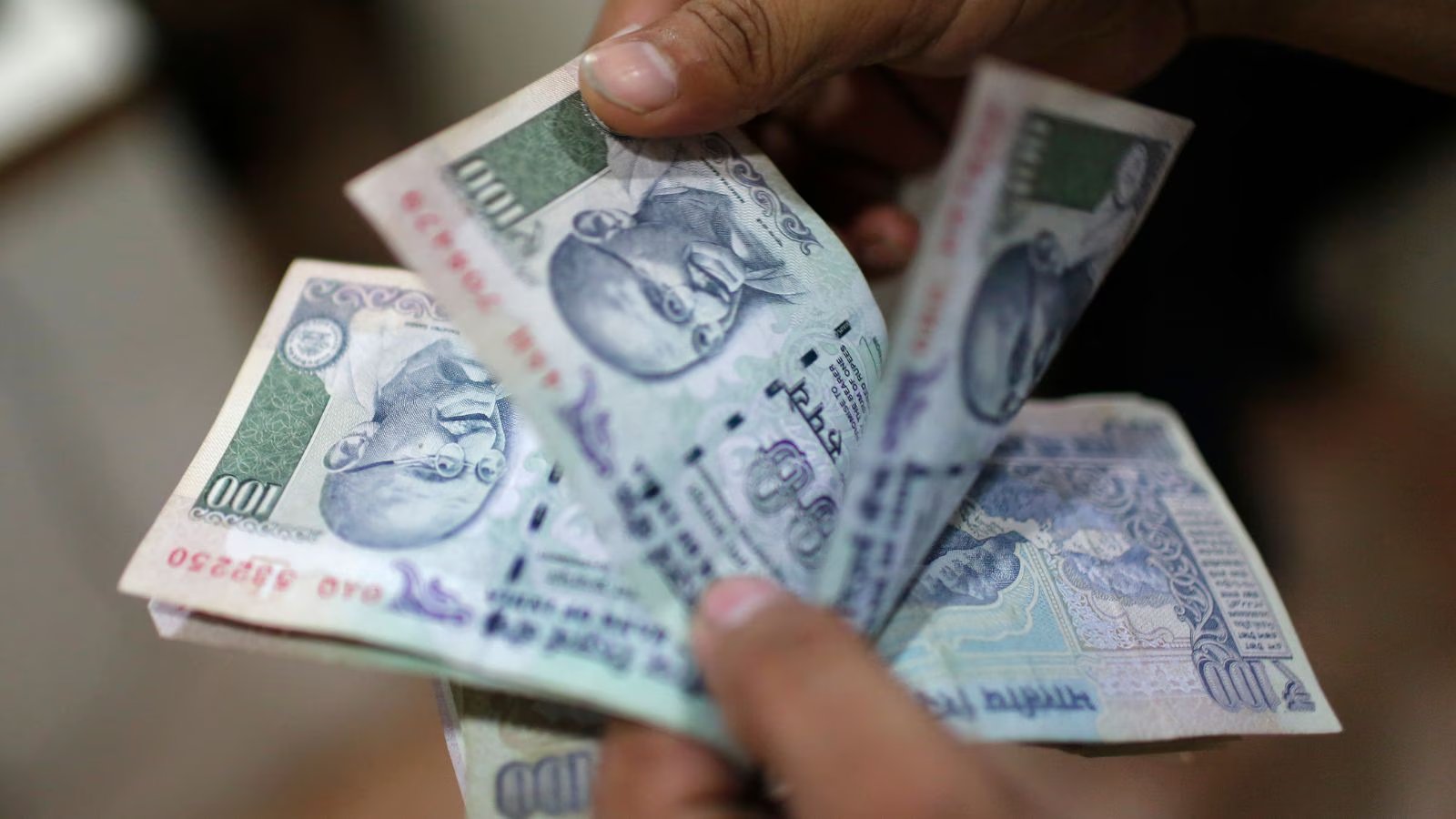
The rupee opened at ₹95.90 per dollar on Friday, a 6‑paise lift from Thursday’s close of ₹95.96, as traders reported RBI dollar sales before the market opened.
RBI’s intervention came amid thin liquidity, amplifying its effect on the spot market and preventing the rupee from slipping below the critical ₹96 threshold.
At ₹95.90, a $1,000 overseas payment costs ₹95,900, $5,000 costs ₹4,79,500, and $10,000 costs ₹9,59,000—prices that would climb to ₹96,000, ₹4,80,000, and ₹9,60,000 respectively if the rupee weakened to ₹96 per dollar.
The currency faces pressure from several fronts: Brent crude hovered around $106 a barrel, raising India’s import bill; the 30‑year US Treasury yield has risen to its highest level since 2004; the CME FedWatch tool indicates a 70% probability of an October Fed rate hike; and the dollar index is up almost 2% this month.
Market watchers point to a potential US‑Iran truce that could influence oil prices and, by extension, the rupee.
ANZ forecasts the rupee at ₹96.50 by December and ₹98.30 by the end of next year, underscoring expectations of continued RBI intervention and the influence of global macro‑drivers.