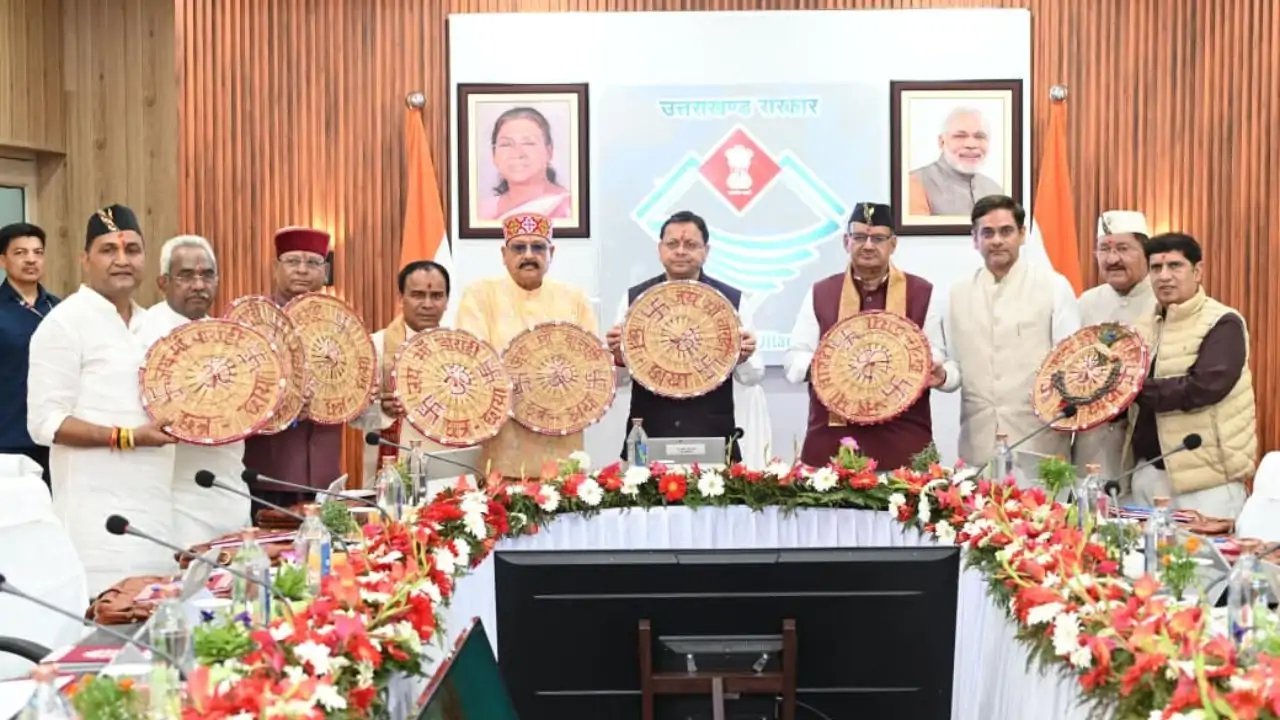
For the first time in the state's recorded political history, the Uttarakhand Council of Ministers convened outside the capital. Chief Minister Pushkar Singh Dhami presided over the session at the NHPC premises in Banbasa, Champawat district, a location that sits squarely on the India-Nepal international border. It was not a ceremonial stopover. The Cabinet passed a slate of decisions aimed specifically at the logistical and developmental bottlenecks plaguing the border regions.
Dhami declared that Dehradun's grip on decision-making is ending. "Cabinet meetings will no longer remain confined to Dehradun," he stated, signaling a structural change in how the state administers its remote peripheries. The goal is blunt: reduce the distance between the bureaucracy and the border. By holding high-level policy discussions in the field, the government aims to fast-track approvals for infrastructure, employment, and connectivity projects that have historically languished in the capital's files.
The choice of venue was deliberate and symbolic. Banbasa is not just a geographic point; it is a security frontier. Dhami argued that border areas are the "important link" in national security and cultural continuity. The session highlighted a specific cultural marker: ministers were presented with the 'Farra' or 'Chhantoli,' a traditional bamboo shield used in the Bagwal tradition of Devidhura. This folk artifact, crafted from ringal strips, represented the state's commitment to recognizing the unique identity of the border populace, not just their infrastructure needs.
The immediate impact will be felt in how local grievances are processed. By placing the Cabinet physically in Champawat, the administration intends to align development priorities with on-ground realities rather than top-down mandates. The next step is operational: the state government will now rotate future Cabinet sessions to other underdeveloped districts, ensuring that the "last mile" of governance receives the same attention as the urban core.