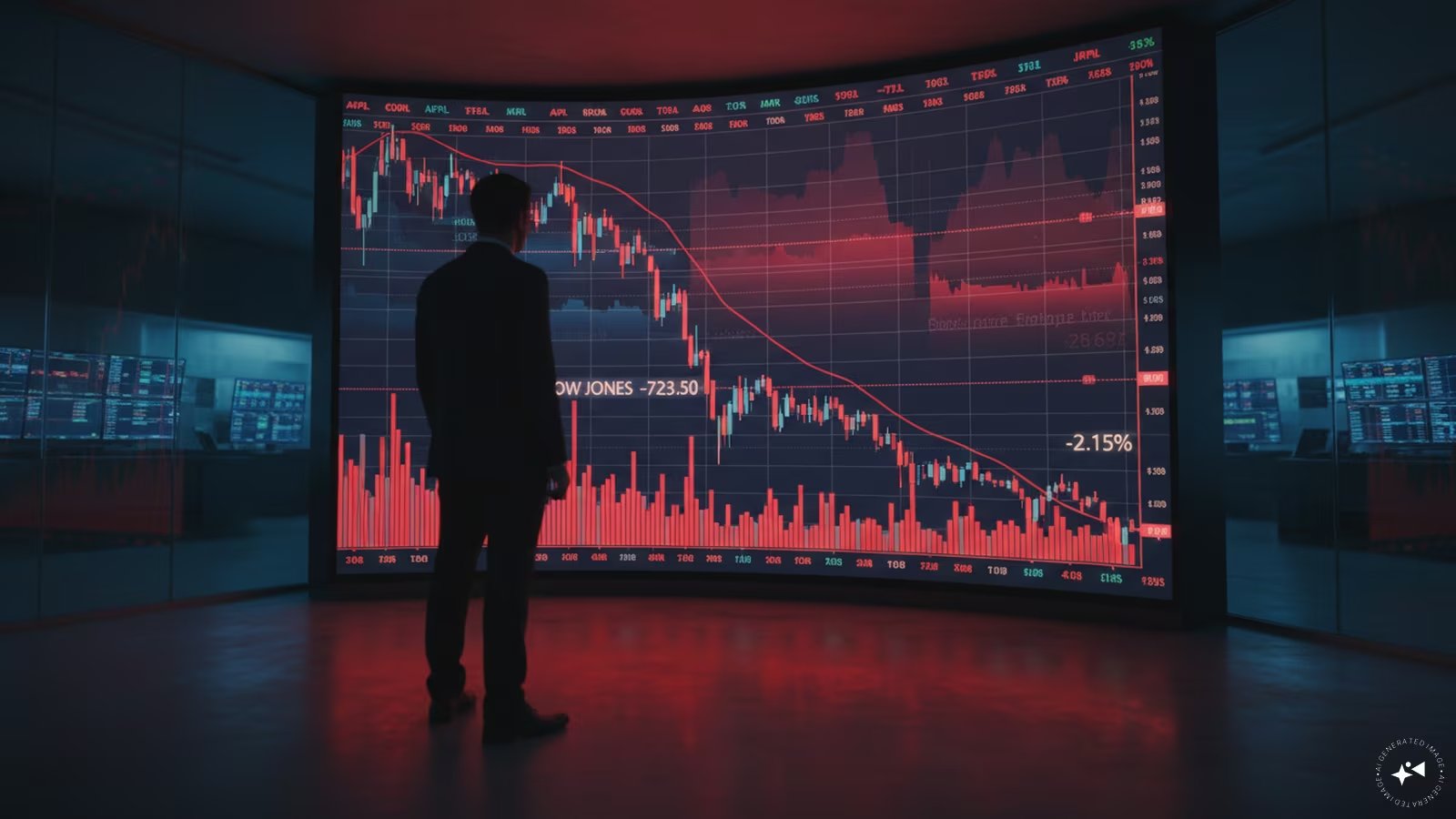
The Dow Jones Industrial Average dumped over 750 points on Wednesday, erasing 1.5% of its value in a single session. The S&P 500 and Nasdaq Composite were less volatile, slipping 0.5% and 0.4% respectively, but the blue-chip index’s steeper fall highlighted how sensitive rate-heavy sectors are to shifting monetary policy. The 30-stock benchmark closed deeply in the red, a stark reminder that the market’s appetite for risk evaporates quickly when borrowing costs rise.
The market had largely priced in the 25-basis-point increase. The real shock was the forward guidance. The Fed’s decision was unanimous—12-0—and marked the first rate hike since July 2023. But the updated projections did the damage. The median policy rate is now seen at approximately 4.1% by the end of 2026. That implies borrowing costs will stay elevated longer than traders had hoped, effectively killing the 'higher for longer' narrative that had been simmering in bond markets.
Fed Chair Warsh’s post-meeting remarks cemented the bearish turn. He warned that inflation remains too high, noting that recent data has not shown meaningful improvement in underlying price pressures. This statement signaled to the street that Wednesday’s hike is merely the opening move of a sustained tightening cycle. Investors quickly reassessed the risk premium, leading to a sharp, late-session decline as algorithms and institutional desks pulled out of equities.
Bond markets amplified the equity sell-off. The benchmark 10-year US Treasury yield climbed back above the 5% threshold as Warsh spoke. When yields spike, the discount rate used to value future corporate earnings rises, mechanically compressing stock valuations. For the Dow, which is heavily weighted toward industrials and financials, this is a double whammy: higher debt servicing costs for companies and a higher hurdle for investors seeking returns compared to risk-free bonds.
The US Dollar Index also flexed its muscles, jumping 0.6% to 100.21, a level last seen in late July. A stronger greenback complicates things for multinational firms, as foreign earnings translate into fewer dollars. For the broader market, the combination of a hawkish Fed, double-digit inflation concerns, and a strengthening dollar creates a hostile environment for equity growth. Traders are now bracing for potential volatility as the 4.1% rate projection becomes the new baseline for valuation models.