Arfat SheikhICE DetentionUS ImmigrationKashmirTrump Administration
Filmmaker Arfat Sheikh Released From ICE Detention, Deportation Case Continues
Published: October 9, 2026
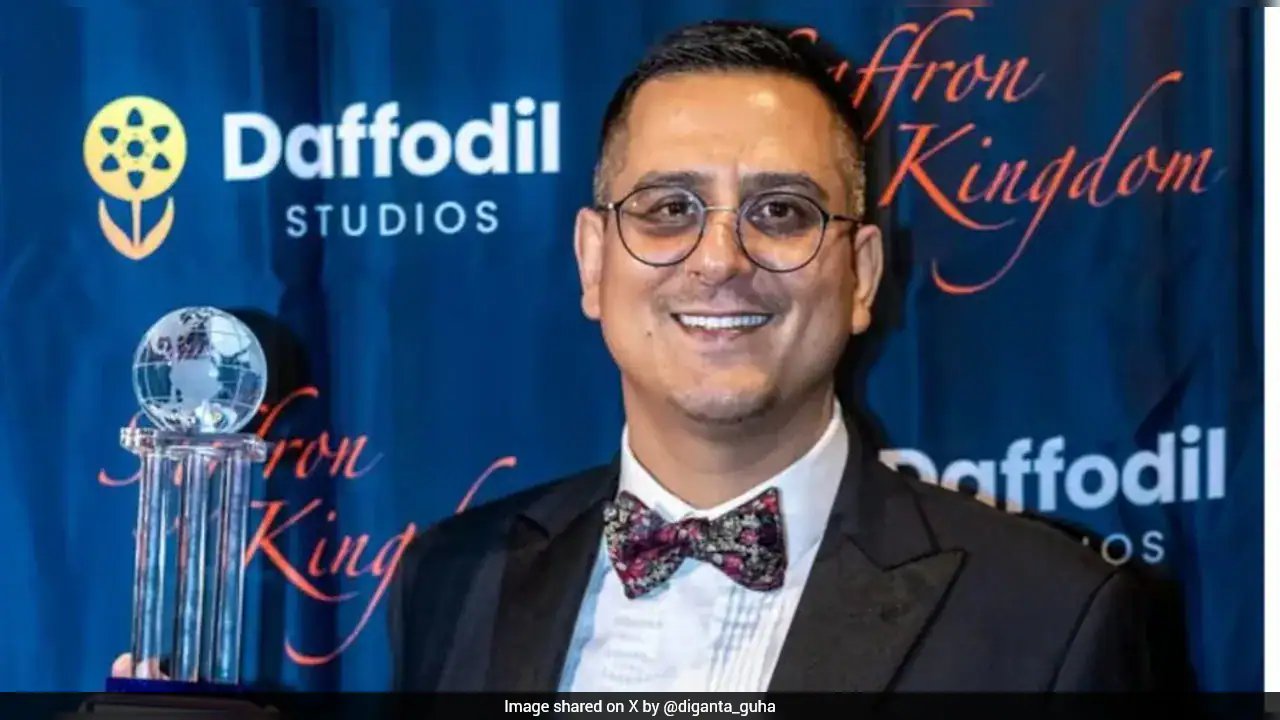
US immigration authorities released Kashmiri filmmaker Arfat Sheikh from detention on bond on Thursday, ending a 10-day hold that began on September 24. Despite his release, the Department of Homeland Security confirmed that proceedings to deport him will continue.
Arfat Sheikh walked out of US Immigration and Customs Enforcement (ICE) custody on Thursday. The filmmaker, who has spent the last decade documenting conflicts in Kashmir, was detained on September 24 at Washington Dulles International Airport. He had just stepped off a flight from California. A coalition of relatives and friends, who have been campaigning for his release, confirmed he was out on bond as of Thursday. The legal battle, however, is far from over.
The Department of Homeland Security (DHS) framed the arrest as a routine enforcement action. On Wednesday, the agency stated that Sheikh, who lives in Alexandria, Virginia, "legally entered the US on a temporary basis and illegally overstayed his lawful admittance." This conflicts with Sheikh’s side of the story. His supporters say he entered in 2019 on a student visa for graduate studies at Georgia State University and filed for asylum in 2020. They argue he held a pending immigration application that authorized his work and residence. DHS dismissed this, noting that a pending application does not confer legal status.
Sheikh’s detention lands in the middle of President Donald Trump’s aggressive immigration crackdown. In August, the administration announced plans to revoke visas for foreigners who enter as short-term visitors but file for asylum. Critics call this a targeted campaign against ethnic minorities, alleging racial profiling and due process violations. Supporters of Sheikh echo these fears, pointing to the chilling effect on free speech and immigrant rights.
His work has drawn international attention. His 2024 feature, "Saffron Kingdom," won Best Feature Film at four major festivals, including the Chicago Filmmakers Awards and the Melbourne Independent Film Festival. The film traces a family’s journey from Srinagar in the 1990s to Atlanta in 2019, mirroring the real-life displacement he documents.
The next step is procedural. While Sheikh is free to move within the US on bond, the deportation hearing remains scheduled. His legal team will argue for asylum based on his political work and background, while DHS will push for removal. The outcome could set a precedent for other artists and activists seeking refuge in the US.