India's MLC Elections: 28 Seats Decided in UP, Bihar, Maharashtra, Karnataka on Oct 23
Published: October 28, 2026
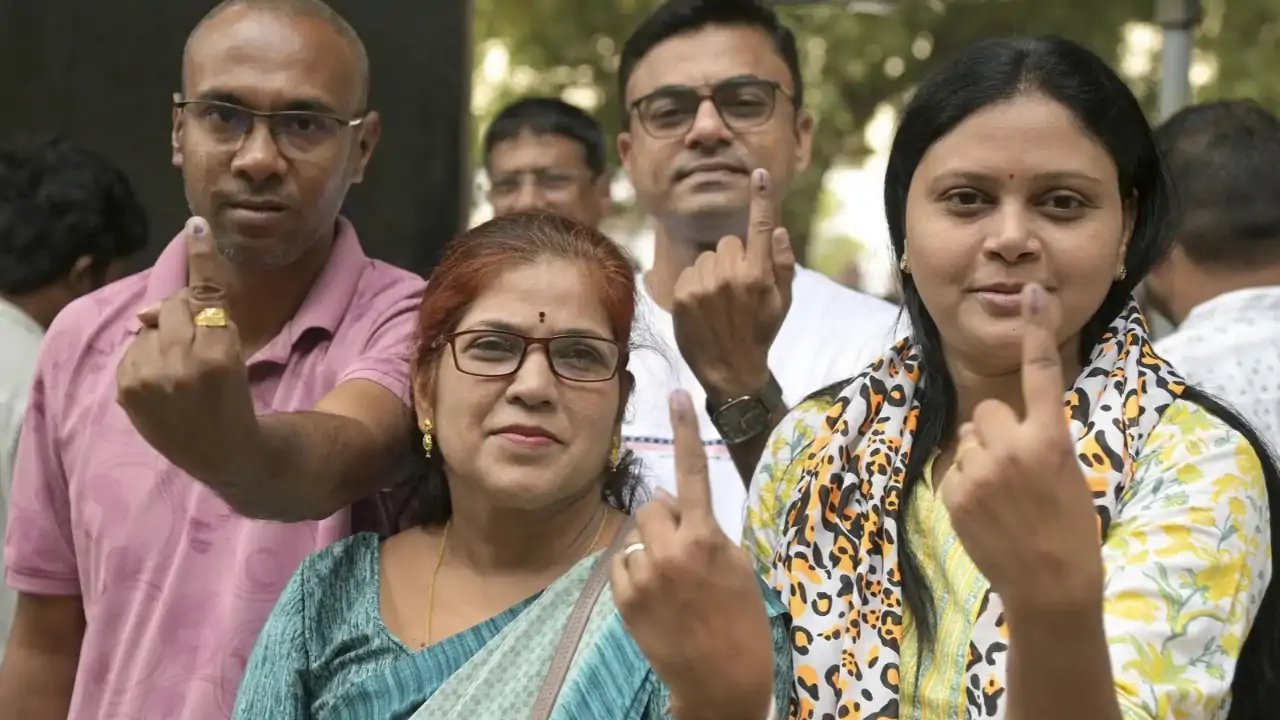
Elections to 28 seats across Uttar Pradesh, Bihar, Maharashtra and Karnataka were held on October 23, 2026. Results were declared on October 27, revealing the makeup of the new Legislative Councils and setting the stage for upcoming state elections.
The 28-seat contests were among the most closely watched state elections of the year, as political analysts noted that the composition of the councils could signal shifting party allegiances ahead of the 2027 assembly polls.
Unlike the all‑India roll‑call of the Assembly, MLC elections draw from a limited electorate: municipal councillors, graduates, teachers and a handful of MLAs, each group voting in separate constituencies that together elect one‑third of the council.
The election process is a hybrid of direct and indirect voting. Local‑authority voters hand ballots to candidates who have already secured support from their peers, while graduates and teachers register in special lists and cast votes in closed‑door polling booths. Parliament’s approval of the state resolutions, followed by a Governor’s nomination of a few members, completes the 40‑member framework mandated by Article 171.
Sreedevi, a 42‑year‑old secondary‑school teacher from Vellore, says the chance to vote feels like a small victory: “We’re part of the state’s future, and now we have a voice in shaping it.” Her comment echoes the sentiment of hundreds of graduate voters who filed documents proving their degrees, all eager to influence the balance of power in their respective councils.
The newly elected members will convene on November 15 to start their six‑year terms, and the first session will debate a bill on state‑wide infrastructure that was stalled in the Assembly. The councils’ new makeup will also determine who controls the appointment of key administrative posts, making the outcome a barometer for the ruling party’s strength across the four states.