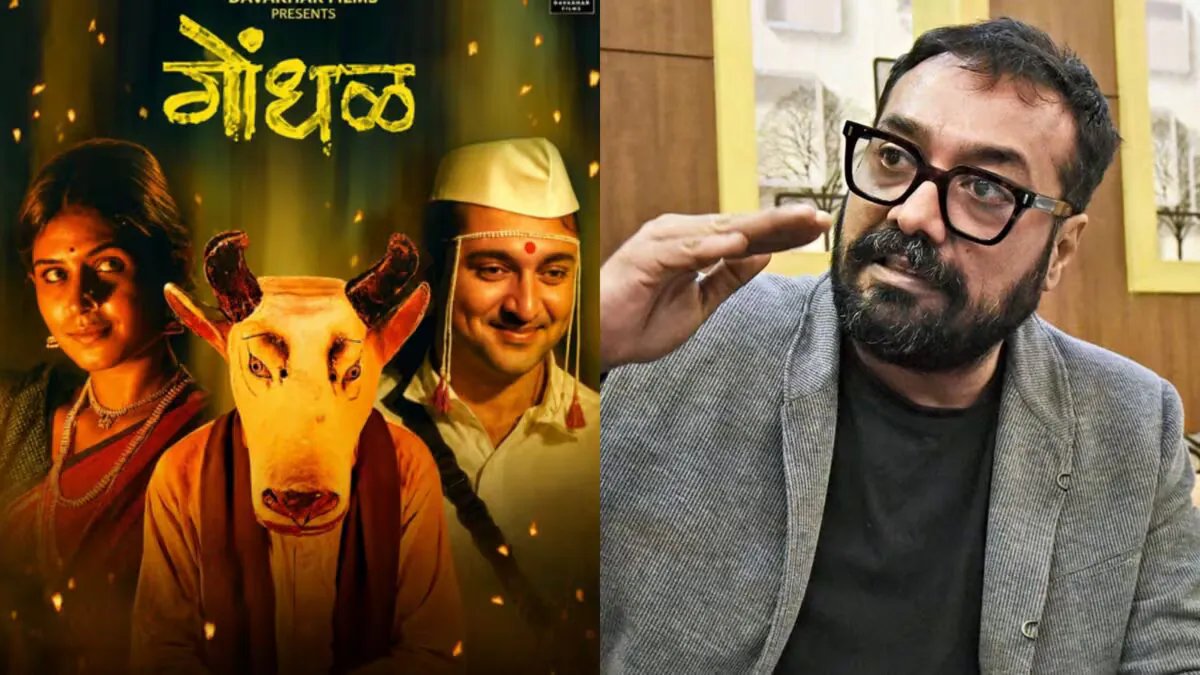
When Santosh Davakhar posted his rebuttal, the internet erupted—comments spiked, memes flew, and the debate turned from polite to fierce. He didn’t just defend a film; he defended a whole generation of Marathi filmmakers stepping out of the shadows.
Anurag Kashyap, the genre‑shifting auteur who once turned the Academy’s attention to “The Lunchbox,” took issue with the choice, arguing India keeps sending films that lack the festival pedigree needed for Oscar success. He warned that without international exposure or a U.S. distributor, a movie’s chances are slim. Kashyap’s critique was not a flippancy about Gondhal’s craft, but a broader jab at the selection process itself.
Davakhar’s reply was as direct as a flight announcement. He recalled the night of April 26, 23:55, on a Bengaluru‑Mumbai flight, where he introduced the still‑unknown Gondhal to Kashyap. The director said he’d never seen it but would watch it, a promise that, according to Davakhar, still hangs in the air. “Respect for Anurag,” he wrote, “but please watch the film before passing judgment,” he urged, insisting the movie deserves a full theatrical experience, not an OTT drop.
Gondhal, a psychological thriller woven from the centuries‑old Gondhal folk ritual, already boasts a Silver Peacock for Best Director at IFFI—a nod that sits heavy on its shoulders. The film’s ensemble, led by Ishita Deshmukh and Yogesh Sohoni, brings a gritty realism that could resonate beyond regional borders. It’s a debut director’s gamble, and the stakes are a potential Oscar nomination.
The next move? A re‑release in multiplexes across India, a push for international festival screenings, and a plea to the audience to keep an open mind. If Gondhal can capture hearts on the silver screen, it may just rewrite the narrative that India’s Oscar picks are a missed opportunity. The verdict? It’s still in the making—and the only way to know is to watch it.