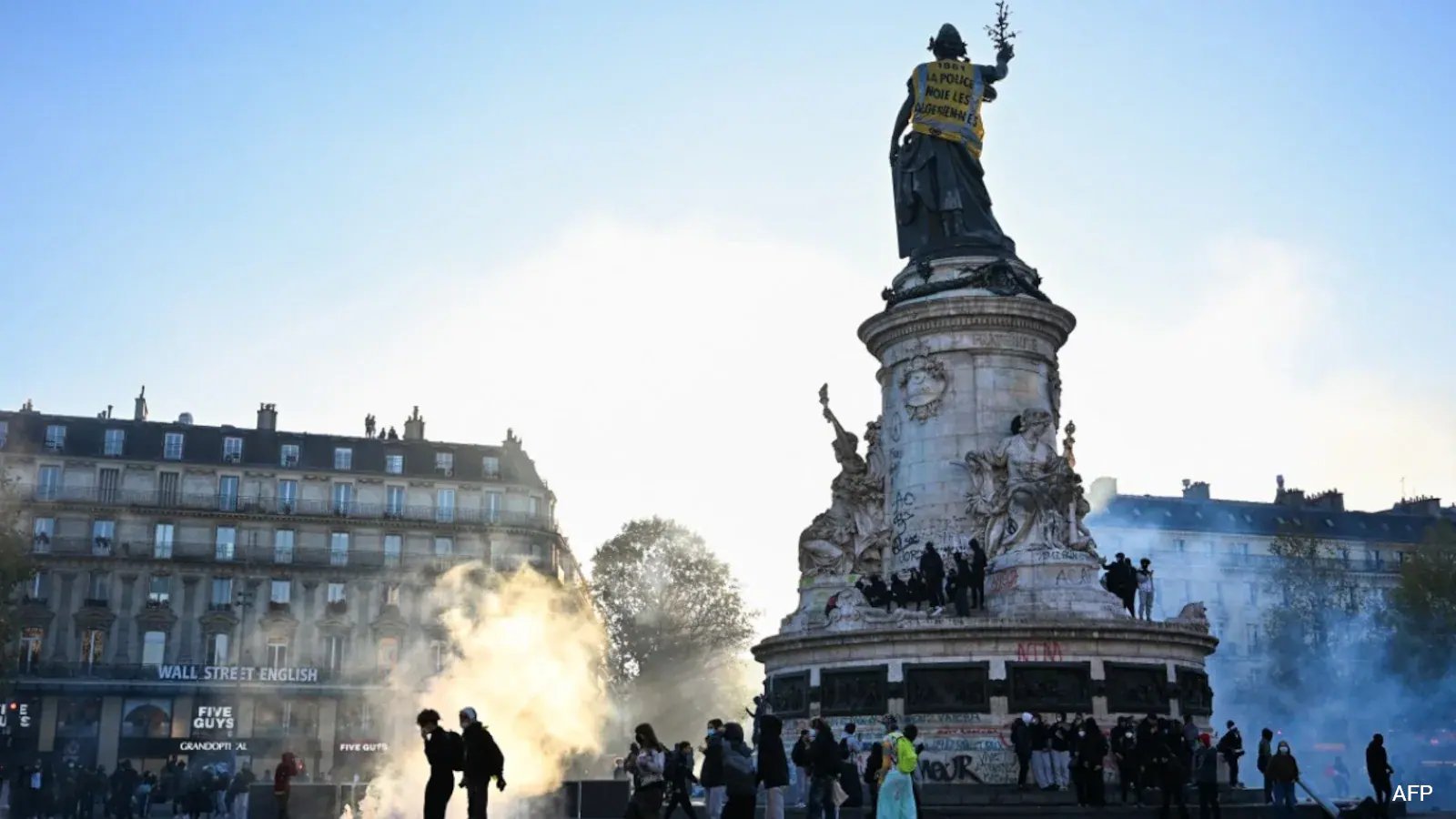
Two people are dead. That’s the headline number President Emmanuel Macron had to face when he stepped into the Elysee Palace on Saturday to address a nation in flames. The riots didn’t start with gunfire; they started with tear gas in Paris and a fire at the 19th-century City Hall in Limoges, where the roof collapsed into ash. What began as cost-of-living demonstrations spiraled into something else entirely—looting, arson, and a confrontation that left 2,400 people behind bars by nightfall.
Macron’s tone was razor-sharp. No diplomatic hedging. He accused "insurrectionist elements from radical far-left groups" of joining forces with "numerous criminals" to torch the country. He didn't mince words about the damage. "Those who destroyed must pay," he said, pointing directly at the looters in Lille who smashed windows to grab clothes and food, and the vandals in Lyon who set the tourist office ablaze. This isn’t just property damage; it’s a challenge to the Republic, and the state intends to answer it with full legal force.
The physical toll is staggering. In Limoges, a historic landmark is now a skeletal ruin. In Marseille, masked protesters broke into a police station, while in Paris, the Place de la Republique became a smokescreen of burning bicycles and trash bins. The mayors of the three biggest cities—Paris, Marseille, and Lyon—are already demanding a meeting with the Prime Minister. They’re seeing the wreckage up close, and they’re scared the next wave will be worse.
The government is moving fast. With 2,400 arrests already logged, prosecutors are preparing a wave of indictments. The next 48 hours will determine if this crackdown holds or if the unrest spreads to smaller towns. For now, the message from Paris is clear: the law is back, and it’s coming for the looters.