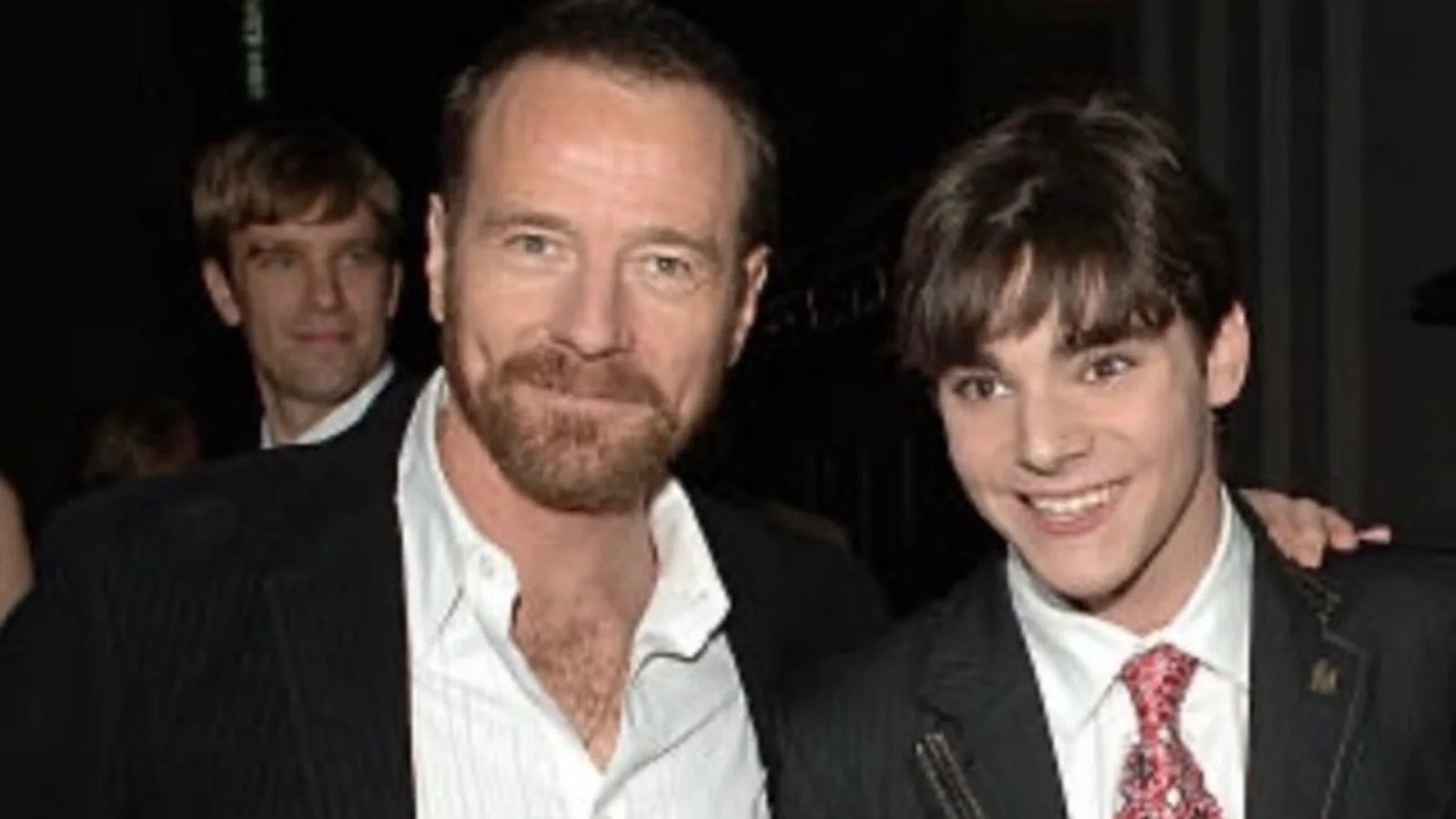
Bryan Cranston’s Instagram post felt like a confession, the words “I’m in deep despair” punctuating a quiet, private space. The actor didn’t bother with clichés; he just told his fans, “RJ Mitte, my sweet son on Breaking Bad, has died.”
It was 2007, the day the pilot rolled out in February, when a 14‑year‑old with cerebral palsy stepped onto a set that would change his life. Cranston recalls, “I met him when he was only 14 years old, and he brought such joy and enthusiasm to Walter White Jr.” He watched the boy grow from a nervous newcomer to a seasoned performer, all while fighting his own battle with a physical disability that he never let define him.
Beyond the screen, Mitte became a voice for performers with disabilities, even heading a philanthropic org dedicated to the cause. He turned personal struggle into advocacy, proving that talent isn’t limited by circumstance. That same drive made him a favourite of the crew, a kid who sometimes defied guidance but always delivered.
The news of his suicide hit hard. Mitte’s rep confirmed the tragedy, and Cranston, still fresh from a planned lunch, wrote, “We were texting each other just a few weeks ago, figuring out when we could meet for lunch. I don’t know if that lunch would have changed his future.” The rawness of the message cut through the usual press‑room polish, reminding us that even stars are human.
His death has sparked a wider conversation about mental‑health resources for actors. Beyond the memorials, the industry now faces a call to tighten support systems for those in the spotlight. As fans, we’re left with a sobering reminder that talent and tragedy often walk hand‑in‑hand.