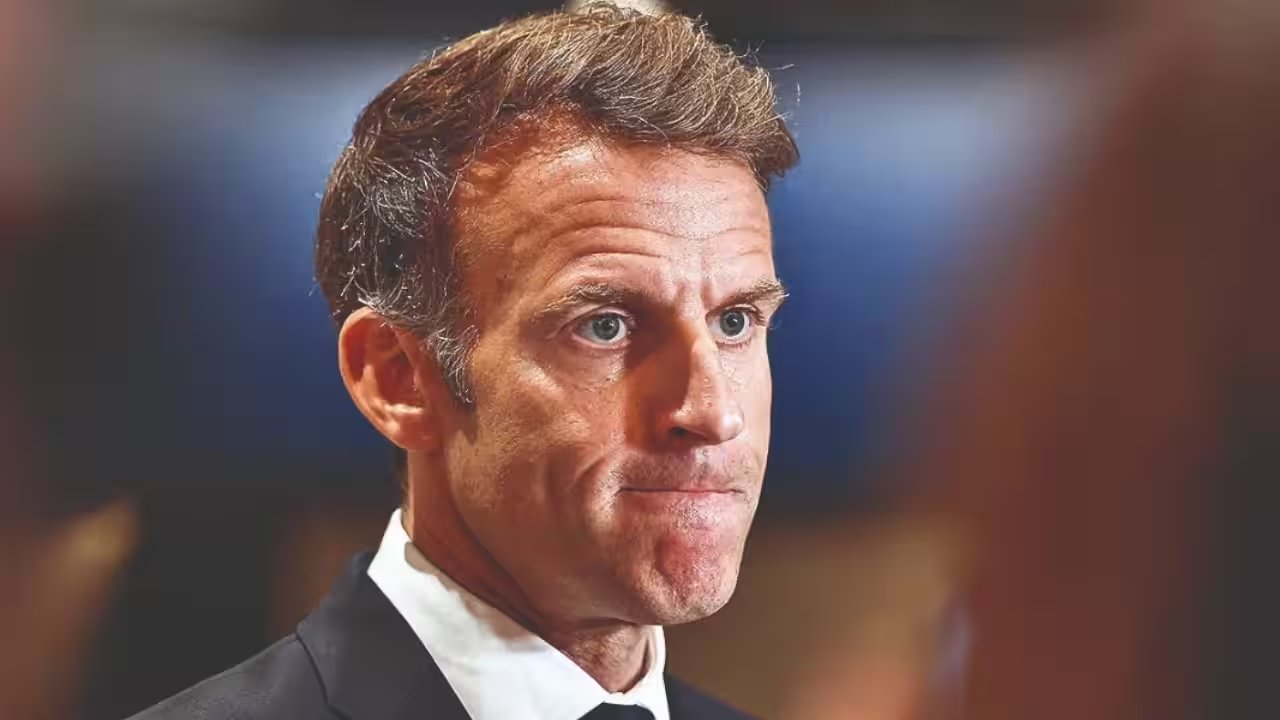
Emmanuel Macron declared on Thursday that France will bar protests not organized by unions in the coming days. The president made the statement after a high-level security meeting with Prime Minister Sebastien Lecornu and intelligence chiefs. "France will bar protests that are not organised by unions in coming days," Macron said, as quoted by Reuters. This marks a sharp escalation from previous warnings, effectively creating a legal distinction between sanctioned labor actions and what he termed "illegitimate" demonstrations.
The government moved fast to enforce this new posture. Authorities banned demonstrations planned for Thursday in major cities including Paris, Lyon, Lille, and Grenoble. In the capital, restrictions covered sensitive zones like the Elysee palace, parliament, and key railway hubs. These bans remain in effect until 8 pm local time, specifically targeting areas that suffered extensive damage during last weekend's riots.
Macron blamed "seditious" ultra-left groups and vandals for the violence that erupted last Saturday. Masked protesters clashed with police, looted shops, and set vehicles on fire across the country. He argued that while recognized groups, including trade unions, would be offered alternative routes to protect businesses, unorganized mobs would face a crackdown. The administration is convening a defence council meeting on Friday to review the security situation further.
The unrest traces back to a high school strike in Creteil, southeast of Paris, where students protested staff shortages. What began as a demand for better school funding and infrastructure quickly metastasized into a nationwide movement against the rising cost of living. Students cited deteriorating conditions in lower-income neighborhoods and a complicated university admissions system as primary grievances. The movement has since evolved, drawing in broader dissatisfaction with the government's economic response.
Tensions are set to spike again this weekend. Activists associated with the "yellow vest" movement, which shook France in 2018 and 2019, are expected to join the mobilization. Prime Minister Lecornu, who met union representatives on Wednesday, promised a "massive" security operation to prevent a repeat of last weekend's destruction. However, union leaders stated that talks failed to produce concrete proposals for their concerns. They are now preparing for another nationwide day of action on November 5, urging both public and private sector employees to participate. With months remaining before the next presidential election, Macron faces mounting pressure to contain the demonstrations while addressing deep-seated social grievances.