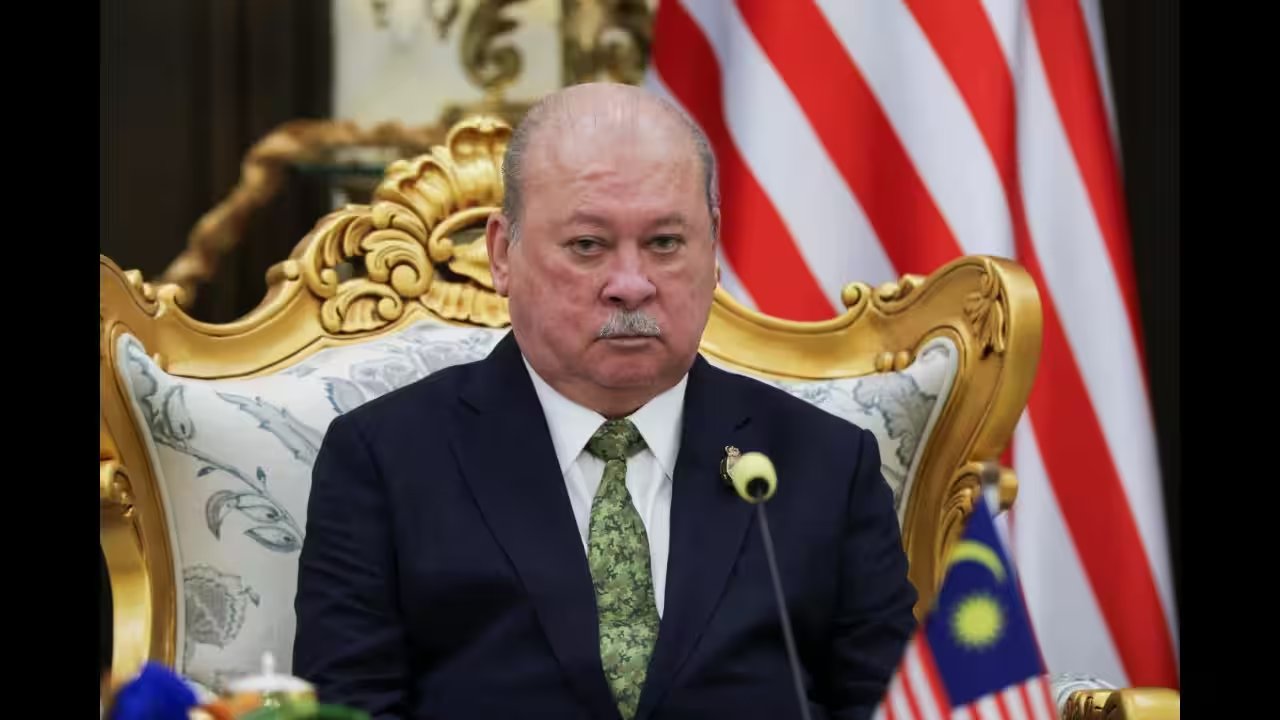
On Tuesday, Malaysia’s King Sultan Ibrahim issued a stern warning to any party that might contest the royal pardon that lets former prime minister Najib Razak serve the final two years of his 15‑year sentence under house arrest. The decree, issued in September, came after Najib’s United Malays National Organisation raised a 50‑million‑ringgit fine—about $12 million—through crowdfunding to meet the pardon’s condition.
The delay in Najib’s transfer from Kajang prison, slated for Friday, was triggered when the attorney‑general’s office flagged questions over the legal interpretation of the pardon and a court order that permits his release. The fine had been paid and the pardon was clear, yet the authorities halted the move, citing a need to resolve the ambiguity before proceeding.
In a statement, the attorney‑general’s chambers said the office had never disputed, set aside or intended to suspend the king’s conditional pardon. “The matter should be referred immediately to the court for a clear determination and directions,” the AGC added, underscoring that the pause was procedural, not punitive.
The standoff has rattled Kuala Lumpur’s political scene, with Prime Minister Anwar Ibrahim raising concerns about the pardon’s fairness and speculating that his own anti‑corruption mandate may have influenced the decision. Meanwhile, Najib’s wife, a mother of three, has remained in the dark about when, if ever, her husband will return to the prison cell he left behind. The next step will see the courts weigh the royal decree against the legal questions raised, deciding whether Najib stays under house arrest or is sent back to jail.
The outcome of the impending court ruling will set a precedent for how Malaysia’s constitutional monarchy intersects with the rule of law, a narrative that will be closely watched by both domestic and international observers.