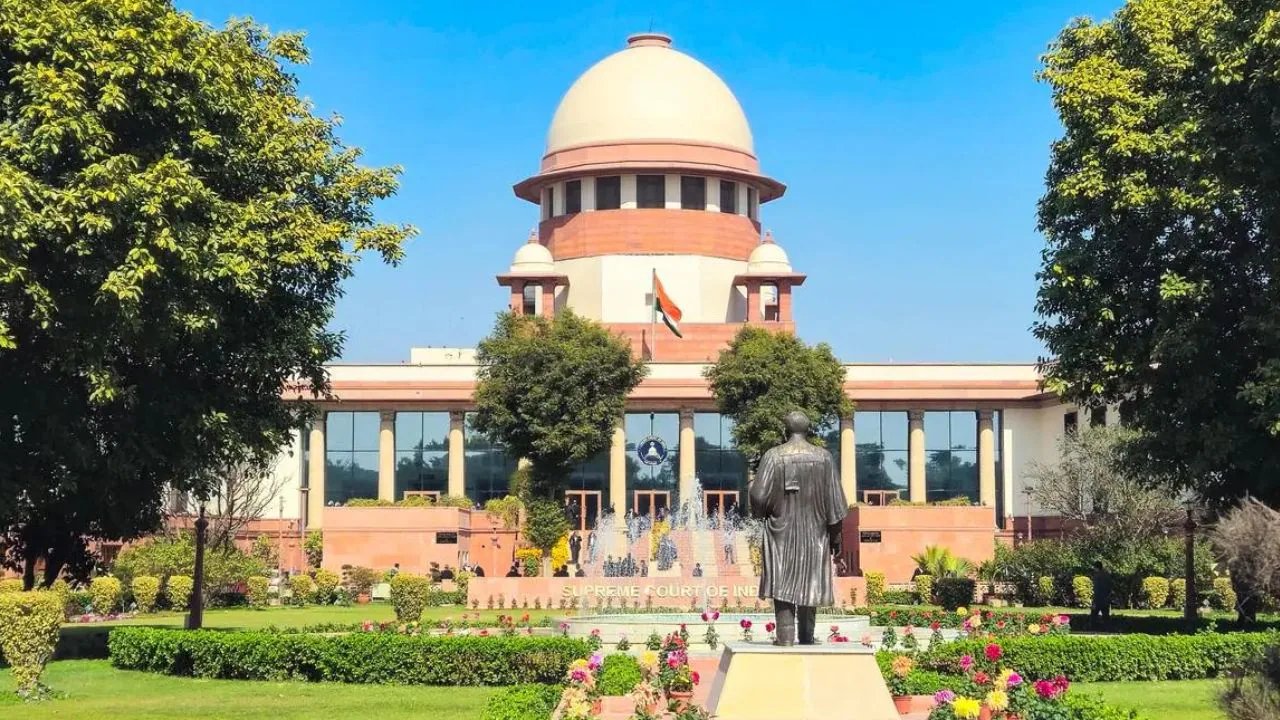
During a Wednesday hearing, Justice Vikram Nath reminded the bench that judges cannot work from home, even as Delhi’s air‑quality index swelled to 351 on 20 October 2026. He said the pollution will worsen after Diwali, so cases should be heard before the festival.
Senior lawyer Indira Jaising, who was present, urged the court to schedule the petition for 17 November, after the Diwali fireworks that typically spike pollution. She joked that Delhi’s air remains high even before the festival, but the judge’s presence is unavoidable.
The city’s AQI data show a sharp rise from 268 on 18 October to 353 on 20 October, then a dip to 244 by 21 October after the first phase of the Graded Response Action Plan was activated. Delhi’s air quality stayed in the "very poor" category for three days.
The Supreme Court has been probing firecracker bans and pollution for years, recently refusing a complete ban but allowing limited green firecracker sales around Diwali. The court will set the hearing for the pollution petition on 17 November 2026 at the Supreme Court building.