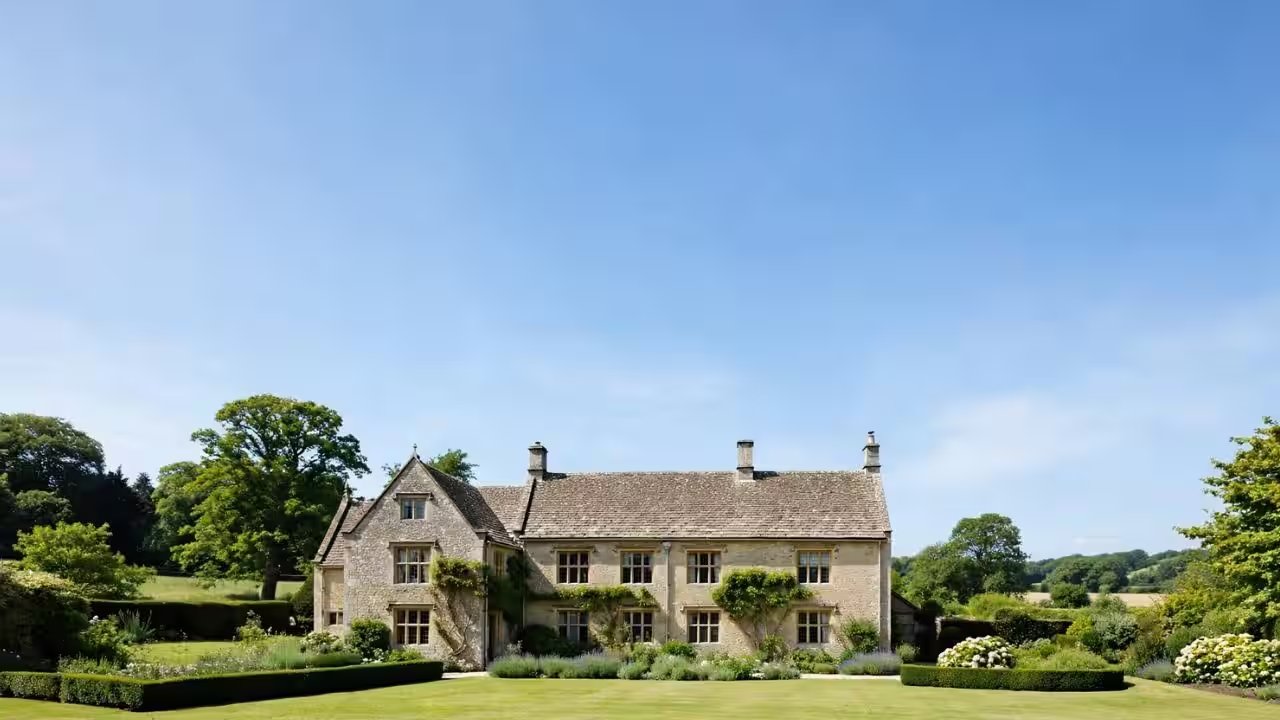
Antony Penrose has handed the keys to Farleys, the 1949 estate in Sussex, to a newly formed charitable trust. This legal transfer moves the property out of private family control and into public stewardship, guaranteeing that the site where his mother, war photographer Lee Miller, and father, Surrealist painter Roland Penrose, lived remains accessible to the public. The deal includes the main house, the surrounding gardens, and the galleries that have operated there for years.
The home was never just a residence. Roland Penrose bought it in 1949 specifically to give Lee Miller a place to recover after the trauma of World War II. It quickly became a magnet for the avant-garde. Pablo Picasso, Man Ray, Joan Miró, and Henry Moore all crossed its threshold. For Antony, the house represented a childhood surrounded by giants. He recalled not fully grasping the scale of those figures until later, realizing that his family friends were some of the most influential artists of the 20th century.
Preserving Miller’s legacy was a decades-long battle. Around 1978, Antony discovered his mother’s life’s work stacked in the attic. Without that find, her photography might have vanished into obscurity. The family spent nearly half a century restoring her reputation, a process accelerated by the 2023 film LEE and the major Tate Britain exhibition running through 2026. The renewed global spotlight made the decision to formalize the estate’s charitable status urgent.
Financially, the shift changes how Farleys survives. Previously managed by the family and a small team, the trust now relies on donations from individuals, trusts, and foundations. The galleries will continue to host contemporary artists alongside historical Surrealists, keeping the site culturally active. For visitors, nothing changes immediately—tours and workshops continue—but the institutional backing is now permanent. The next step is fundraising to maintain the historic structures, with the first major public appeal expected to launch this autumn.