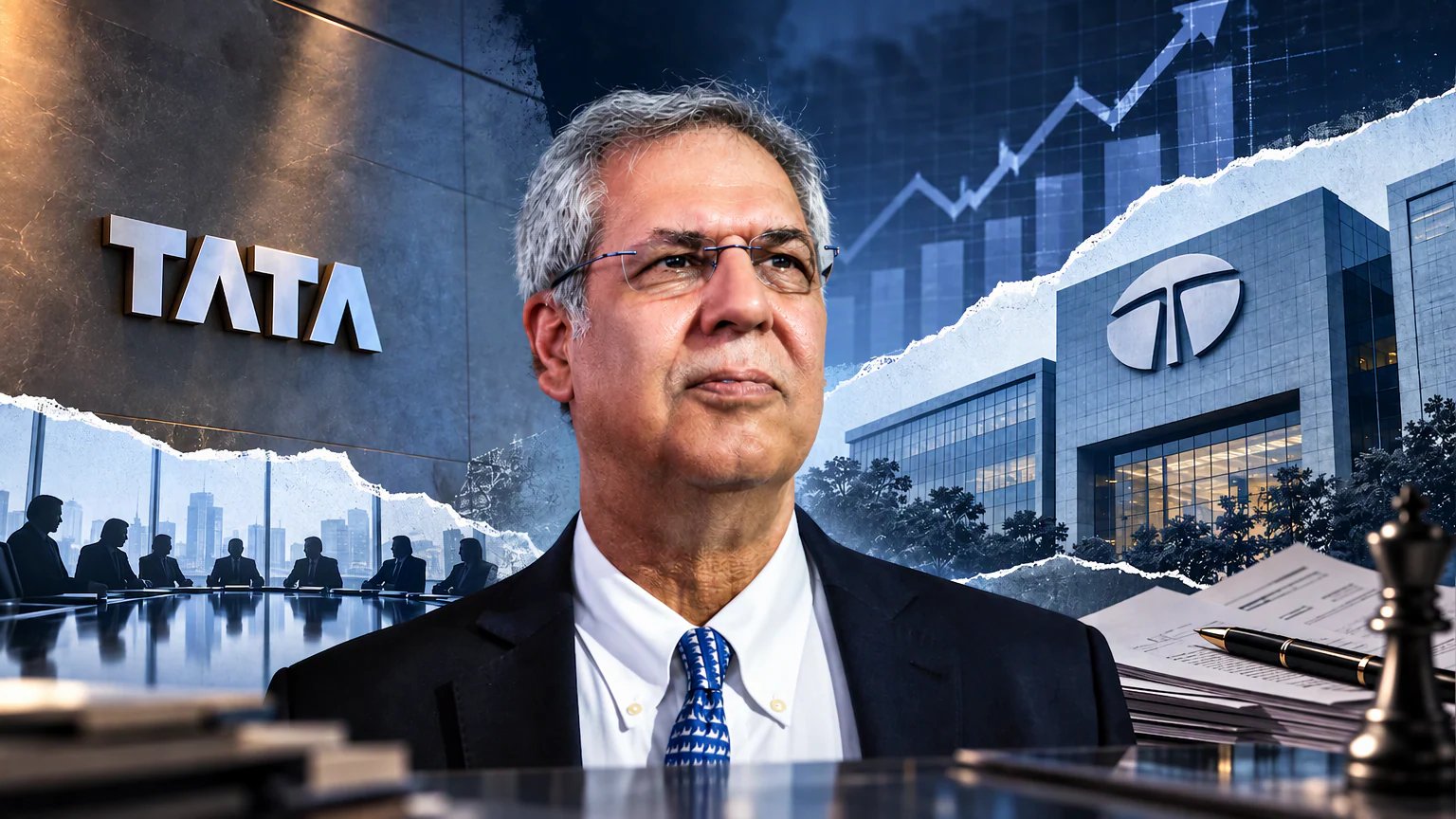
Tata Trusts Chairman Noel Tata drew a hard line on Saturday against listing Tata Sons, warning that public markets would wreck the group's philanthropic mission. Taking the stage at the AirNews Leadership Summit, Tata cautioned that introducing thousands of retail investors would tilt the industrial conglomerate away from public welfare and toward relentless quarterly earnings.
He did not mince words.
"My worry is that listing, which is what some people are proposing, will change this way, this Tata way," Tata said. "And one day, if we have 30,000, 40,000 shareholders, profit may take precedence over philanthropy. And I think that would fundamentally change the Tata way of working."
For Noel Tata, the group's structure rests on an immutable principle: charity precedes commerce, and charity owns commerce, never the reverse. Tata Trusts controls a commanding 66% equity stake in Tata Sons, routing corporate dividends directly into hospitals, educational institutions, disaster relief, and crisis funds. Under this perpetual model, the ultimate owner cannot die, cannot retire, and cannot be bought out.
The public pushback laid bare severe internal divisions at the apex of India's largest conglomerate. On September 17, the Tata Sons board approved a fresh five-year term for Executive Chairman N Chandrasekaran. Noel Tata cast the lone dissenting vote.
During that same session, the board opted to push forward with an initial public offering rather than legally contest a Reserve Bank of India classification requiring the core investment company to float shares. Tata remains strictly opposed to that listing route.
| Governance Parameter | Current Status & Action |
|---|---|
| Holding Entity | Tata Sons |
| Controlling Shareholder | Tata Trusts (66% equity) |
| Decisive Board Meeting | September 17 |
| Top Leadership Vote | N Chandrasekaran reappointed for 5-year term |
| Dissenting Director | Noel Tata (sole vote against) |
| Core Regulatory Issue | Reserve Bank of India public listing directive |
Beyond philanthropy, Noel Tata argued that private holding status provides a vital financial cushion. Tata Sons has historically acted as an unconditional balance-sheet backstop whenever operational subsidiaries stumbled into financial distress. An IPO would fracture that solidarity.
The moment you have a separate set of investors in Tata Sons from a separate set of investors in a company that requires funding, they're quite right to ask, why do we want to make investments here? You should only be making investments in what will deliver and allocating capital to the most profitable ventures. And therefore the nature of the group is going to change.
Noel Tata, Chairman, Tata Trusts
Public shareholders, Tata noted, would logically protest bailing out struggling group entities or sinking billions into long-gestation enterprises that fail to yield immediate margins. "Why tinker with something that has delivered such value for 150 years?" Tata asked.
Market Context: The dispute centers on whether Tata Sons can legally sidestep the Reserve Bank of India's upper-layer non-banking financial company regulations, which mandate public listing to curb concentration risks among systemic conglomerates.
Tata dismissed speculation of ideological clashes over the group's core mission, endorsing the dual pillars of nation-building and community service across generations. But he voiced unsparing doubts about operational delivery.
"The strategic direction, as I've said now twice or thrice, remains the same," Tata said. "I have not asked or questioned the direction of what we've done. I question sometimes the delivery of what we're doing."
Execution matters. Tata warned that massive capital investments will falter unless internal discipline matches strategic ambition on projects with extended gestation timelines. Tata confirmed that the Trusts will actively engage with regulators and authorities in the coming weeks, seeking an alternative pathway that satisfies statutory compliance without forcing Tata Sons onto public bourses.