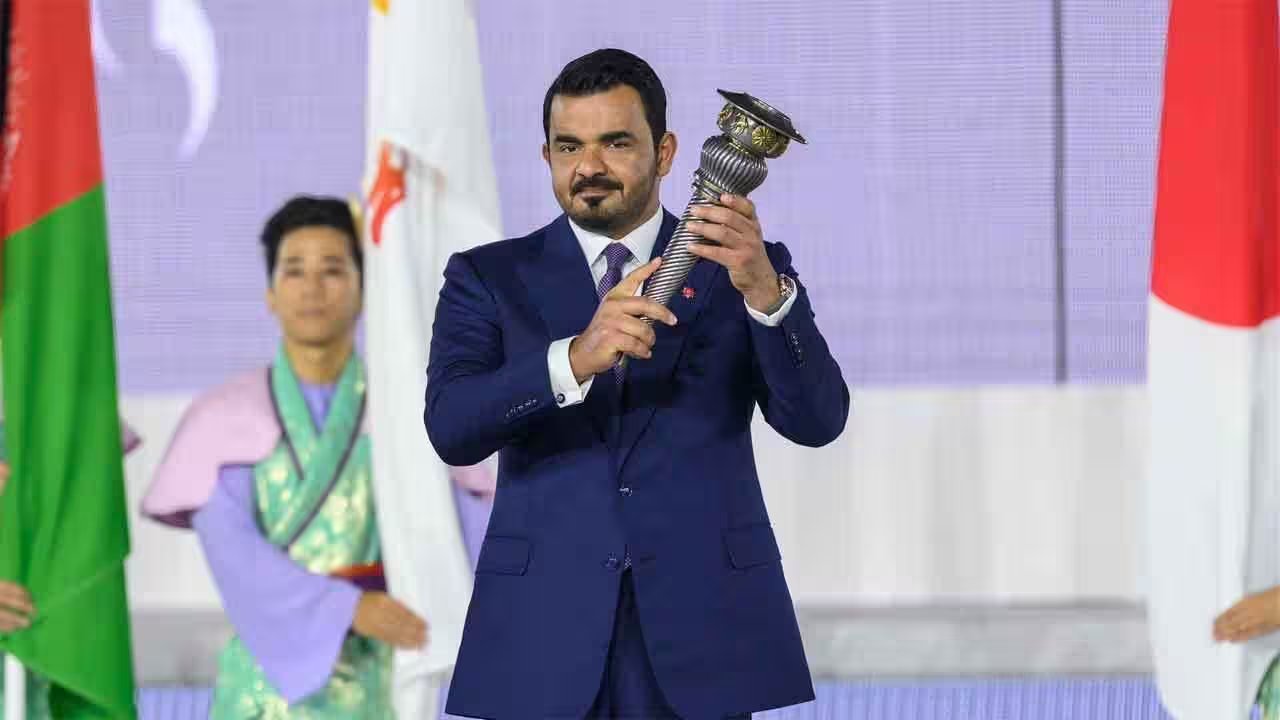
It wasn't a smooth ride. Between the accommodation chaos, transport glitches, and weather that simply wouldn't cooperate, Japan's three-week hosting gig was a logistical headache. But when the dust settled at Mizuho Park Athletic Stadium on Sunday, the numbers spoke louder than the complaints.
China didn't just win; they crushed it. The hosts' neighbors collected 341 medals, including a staggering 169 golds, leaving the rest of the continent in the dust. India held firm for fourth place, but the gap at the top was a chasm. OCA president Sheikh Joaan bin Hamad Al Thani didn't mince words about the scale of the achievement: over 350 records fell, and more than 50 of those were world records. "We raise the bar for Asian sport," he said, noting that 40 of the 45 participating nations managed to bring home hardware.
The closure ceremony carried a distinct Qatari flavor. Jassim Al Kuwari, an equestrian rider, rode into the stadium on horseback to receive the OCA flag. It was a poetic end to a turbulent event, passing the torch to Doha, which is set to host the 2030 Games.
For now, the focus shifts to the 2030 edition, but the Aichi-Nagoya legacy is defined by resilience and record-breaking performances despite the operational minefields.