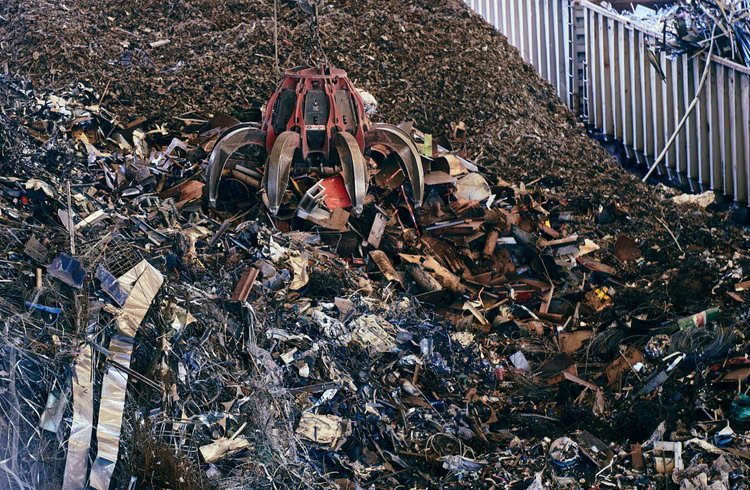
From May 21, 2027, shipments of ferrous and non‑ferrous metal scrap from the European Union to India could be stopped, according to the updated Waste Shipment Regulation. That means the steady stream of secondary metals that Indian auto‑part makers have leaned on for casting and battery electrolytes might dry up.
India’s auto sector has grown faster than its domestic scrap base; with fewer cars and appliances in the past, the country has been forced to import most of its secondary metals. Europe, on the other hand, sits on a large reserve of end‑of‑life products, keeping its own recycling market robust.
Sanjay Mehta, president of the Material Recycling Association of India, warned that cutting the supply chain would hurt responsible recycling and fragment global supply chains. “India has invested substantially in modern recycling infrastructure and has a regulatory framework governing environmental compliance. We therefore believe that policies governing scrap trade should facilitate responsible recycling rather than fragment established global supply chains,” he said.
Industry bodies like the Bureau of International Recycling say that the ban would force auto‑part casting units and battery makers to switch to primary ores, which are pricier and more carbon‑intensive. That shift could push vehicle prices higher, especially for those whose cost structure is tightly linked to component costs.
The news has rattled stakeholders, from OEMs to component suppliers. While some are exploring domestic scrap recovery, the timeline for significant local recycling capacity is still years away. In the meantime, manufacturers will likely look to diversify their raw‑material sourcing and keep a close eye on EU policy changes.