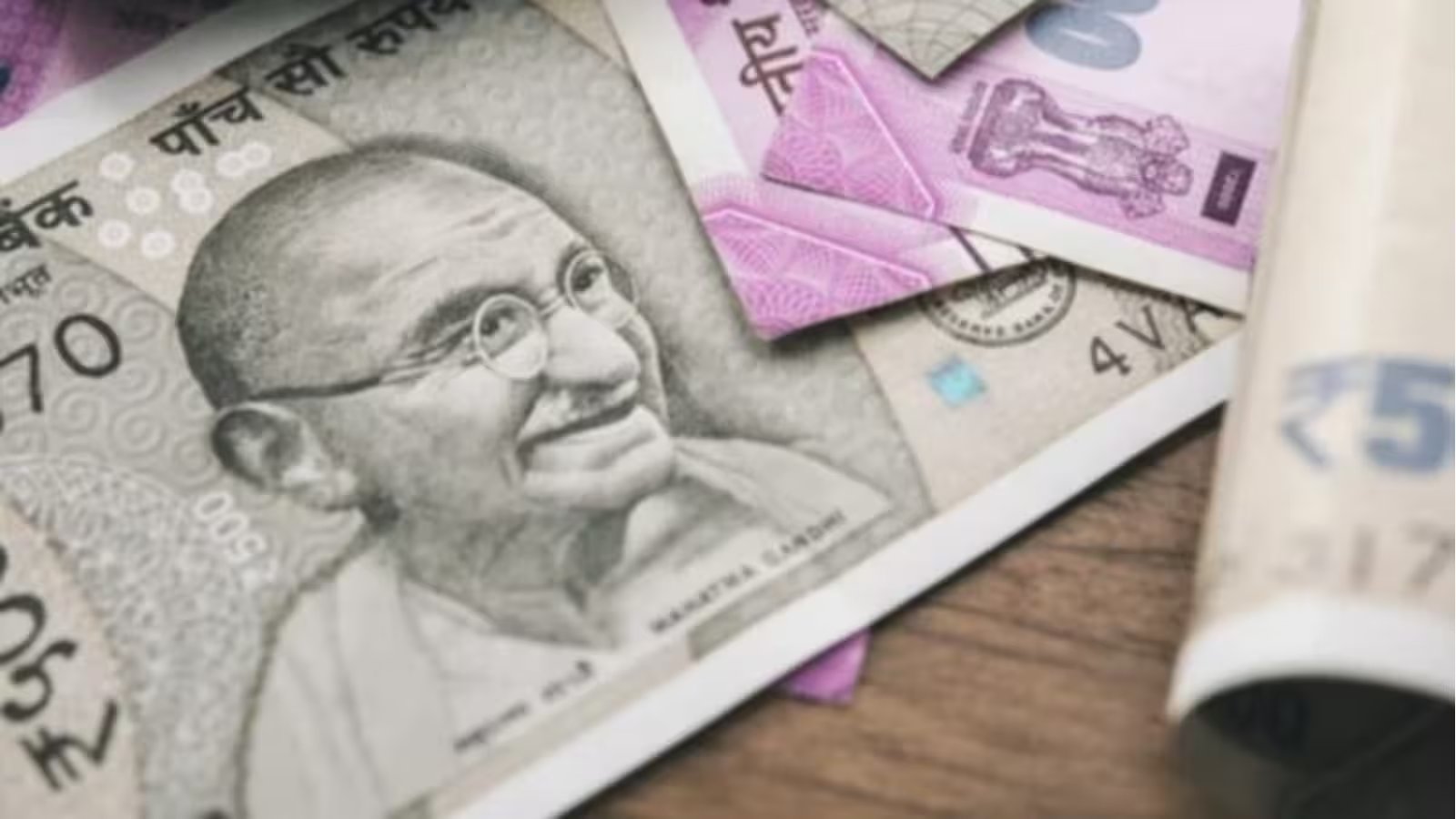
The Indian rupee surged roughly 1% against the dollar on Friday, a lift that came after the Reserve Bank of India rolled out a string of tactical measures to curb speculative dollar demand.
RBI’s latest toolkit requires banks to earmark 20% of the rupee equivalent for foreign‑exchange derivative contracts that exceed $2 million as a cash reserve. It also cracked down on cancellations and rebooking of rupee‑linked forex contracts while slashing the threshold for unbacked derivative positions from $100 million to $5 million. Daily dollar needs of three public‑sector oil marketing companies are now met through designated banks rather than the open market.
Beyond the immediate rally, the currency still faces headwinds. Brent crude is forecast to finish the year at $115 per barrel, a level that would push the rupee lower. The trade deficit remains pressured, and foreign portfolio inflows have been weak, all of which keep depreciation on the agenda.
Barclays’ Mitul Kotecha, head of FX and EM Macro Strategy‑Asia, called the RBI’s action a short‑term tactical move that momentarily strengthens the rupee. Yet he cautioned that the currency is likely to resume a gradual decline, potentially breaching the 96‑97 range before year‑end.
Bank of Baroda’s chief economist, Madan Sabnavis, clarified that the RBI’s reserves—estimated around $600 billion—will not be tapped to fund the oil marketing companies’ daily dollar needs. He stressed that the forex reserves remain intact and that the measures are merely bilateral deals with banks.
On the liquidity front, the RBI lifted the daily minimum cash reserve requirement for banks from 90% to 99% for the fortnight ending Oct 31, while keeping the overall cash reserve ratio steady at 3%. The move follows a $1 lakh‑crore open‑market sale in September and an announced $25 000‑crore sale on Oct 13, aimed at draining excess liquidity that hovers around ₹4 lakh crore. This tightening is expected to align the overnight call‑money rate more closely with the repo rate, though Sabnavis views it as a temporary adjustment.
Traders and investors will keep a close eye on how the RBI’s tactical interventions play out against the backdrop of global oil prices and domestic fiscal dynamics, as the rupee’s trajectory could influence equity valuations, especially in export‑heavy sectors.