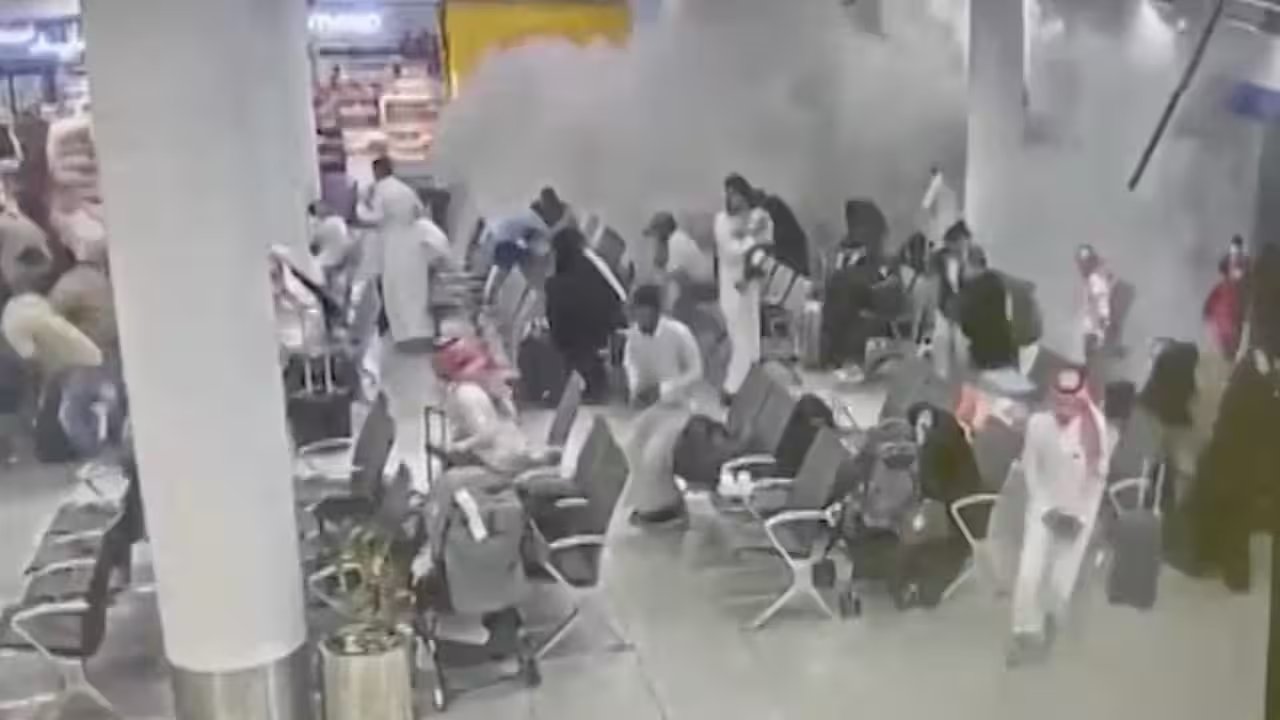
Since the first missile strike on Riyadh’s primary airport on Oct. 8, 2026, airlines have grounded flights after 20 attacks on the runway, a figure the Saudi-led coalition has blamed on Yemen’s Iran‑backed Houthi rebels. Turki Al‑Malki, the coalition’s spokesman, demanded that the Houthis cease all terrorist operations, while regional carriers warned that the airport would remain closed until further notice, with a second source confirming a minimum closure until Oct. 24.
The shutdown has forced a rapid shift to remote work across the kingdom. Employees at the International Monetary Fund’s Kingdom Centre office and other multinational firms have been instructed to work from home, and domestic airlines are promoting flights from alternative hubs such as Qassim, Bahrain, and Qatar. A Riyadh resident, who was diverted mid‑flight, recounted landing in Jeddah before catching a connecting flight to Qassim, highlighting the logistical scramble.
Major economic events have been thrown into limbo. The flagship Future Investment Initiative was postponed to 2027, and the MDLBEAST Soundstorm, Riyadh Fashion Week, Red Sea Film Festival, and a high‑profile tennis tournament were all delayed or canceled. Human Resources Minister Ahmad bin Sulaiman Al Rajhi attempted to reassure investors, declaring the country safe and urging citizens to remain calm.
International travel advisories have tightened, with Western embassies warning against non‑essential travel to Saudi Arabia. Expatriates, who rely on weekend homeward flights, are debating whether to stay or leave, as their ability to maintain business relationships hinges on the uncertain resumption of air links.
The airlines plan to resume flights after the Oct. 24 deadline, but the risk of further attacks remains, and the kingdom’s efforts to attract foreign investment face a new hurdle. Investors will be watching closely as the government outlines security measures and a timetable for reopening the kingdom’s busiest air corridor.