On Thursday, Saudi Arabia’s Grand Mufti Sheikh Saleh bin Fawzan Al‑Fawzan addressed soldiers at the kingdom’s borders, urging them to be ready to sacrifice their lives in the fight against the Iran‑backed Houthis. The message, issued through the Saudi state news agency, cites Quranic verses and the Prophet’s sayings to frame the conflict as a divine duty. Al‑Fawzan remarked that protecting the nation and punishing anyone who threatens even a single inch of territory are among the greatest virtues, for which souls may be sacrificed in seeking God’s pleasure.
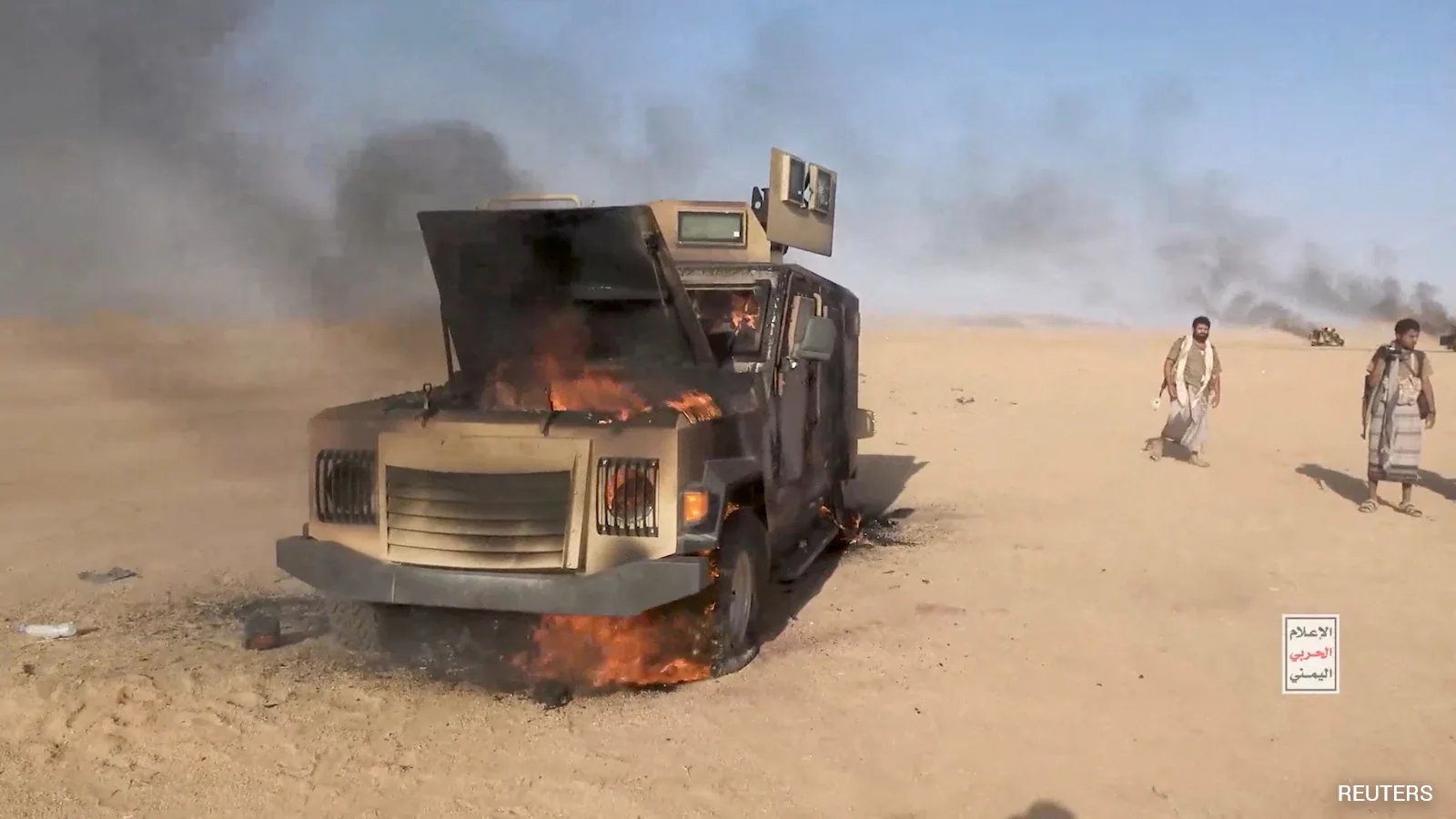
The call comes amid weeks of intensified hostilities, with the Houthis striking Saudi territory using missiles and drones, while the kingdom has responded with a series of airstrikes. Earlier this month, the Houthis seized the strategic Bab al‑Mandeb strait, a blow that has further strained Saudi security and Yemen’s fragile maritime trade. The conflict, rooted in a 12‑year civil war that largely froze since 2022, has now escalated again, drawing the broader Iran‑Saudi rivalry into the region.
Al‑Fawzan’s letter frames the struggle as a religious duty, invoking the Prophet’s exhortation to defend sacred sites and to obey rulers. He added that soldiers must remain prepared to carry out orders with precision, following the example of the Prophet’s companions.
Observers warn that the Mufti’s warning signals a possible shift toward a larger joint offensive involving Saudi forces and Yemen’s internationally recognized government. The Yemeni government recently lost control of Bab al‑Mandeb to the Houthis, a loss that the Mufti called a pressing obligation to rectify. Analysts suggest that the religious rhetoric may aim to rally domestic support and delegitimize the Houthi insurgency.
The statement precedes a planned intensification of airstrikes and potential ground operations along the northern Yemen border, with Saudi officials expected to announce a coordinated strategy next week. The Saudi government’s next move will determine whether the conflict escalates into a broader regional confrontation.