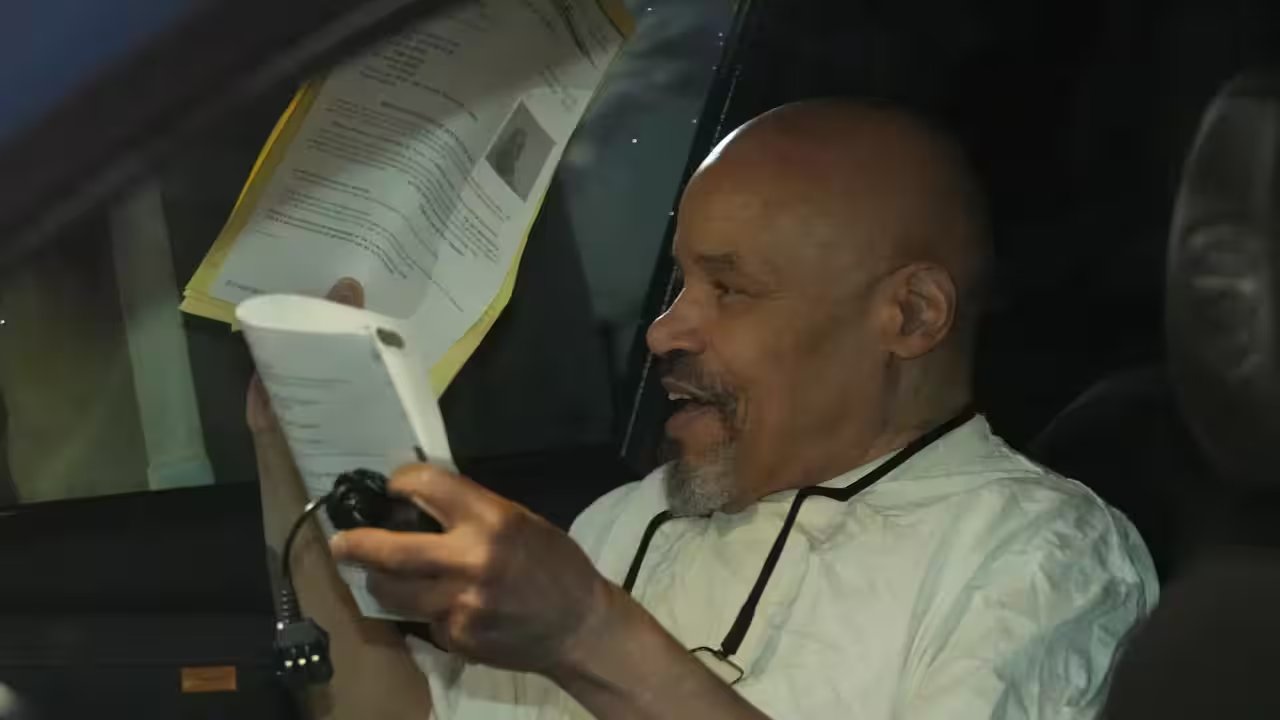
The Utah County Bail Hearing ended with a dramatic twist—Carter was freed on strict conditions, including GPS tracking and a ban on contact with the victim’s family. New forensic reports, dated 22 September, showed no match between Carter’s DNA and the knife handle or the doorknob blood at the crime scene, prompting prosecutors to withdraw their death‑penalty notice.
Carter’s 41‑year ordeal began with a signed confession that many now say was obtained under duress, and a testimony from two witnesses who later admitted they lied after receiving payments from police. The 1985 conviction hinged on these shaky elements, while the crime itself left a family still grieving.
The Utah Supreme Court overturned the original verdict last year, citing widespread police and prosecutorial misconduct. A full retrial is slated for 2027, but the defense plans to seek dismissal of all aggravated murder charges.
Theresa Olesen, the victim’s daughter‑in‑law, voiced her anger in court, insisting that the new DNA evidence does not prove Carter’s innocence and that a full inquiry must continue. She urged the court to keep him in custody until justice for Eva Olesen is fully served.
Carter’s son, Tyler Anger, who learned of his identity only after his adoption, is now helping his father readjust to life outside prison walls—his first steps on grass in forty years.
The next major event on the docket is the scheduled 2027 retrial, where the jury will weigh remaining circumstantial evidence. Meanwhile, the judge’s order will be monitored closely by state officials as part of a broader review of the case’s forensic integrity.