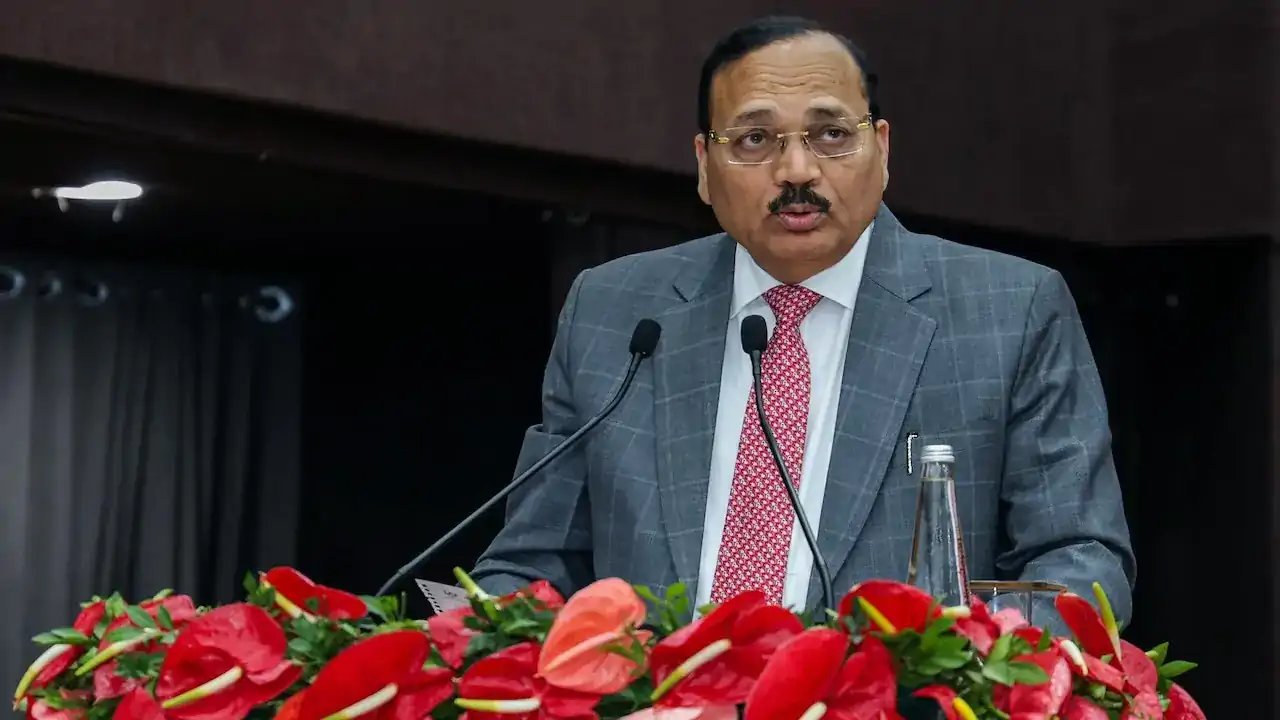
Chief Justice of India Surya Kant has demanded a hard look at the judiciary's responsiveness, pointing to a troubling surge in litigants bypassing High Courts to seek urgent hearings in the Supreme Court. Speaking at the Platinum Jubilee Ceremony of the Kerala High Court in Kochi on Sunday, the CJI stated that while the Supreme Court respects High Court autonomy, the frequency of such requests forces a re-evaluation of process efficiency.
"Can urgent matters be identified more effectively?" Justice Kant asked. "Can listing procedures be made more transparent and predictable?" He argued that technology must play a central role in prioritizing cases where delay causes irreversible prejudice, ensuring that a citizen's access to timely justice does not hinge on their ability to travel to the national capital.
The CJI stressed that constitutional justice in India is not confined to New Delhi. The strength of the system lies in the robust network of 25 constitutional High Courts, each entrusted with protecting rights and upholding the rule of law. These courts understand local grievances and the practical consequences of governmental action, a nuance the apex court cannot always replicate.
Highlighting the Kerala High Court's legacy, Justice Kant noted its role in translating constitutional principles into lived realities. He pointed to the court's 1999 order prohibiting smoking in public places as a landmark instance of constitutional foresight, where the judiciary proactively used the law to guide societal progress rather than waiting for legislation to catch up.
The CJI likened the constitutional courts to Kerala's backwaters, where countless streams sustain one interconnected ecosystem. He urged that these institutions must retain their individual authority while working in harmony towards a shared purpose of delivering accessible, transparent, and efficient justice to all citizens.