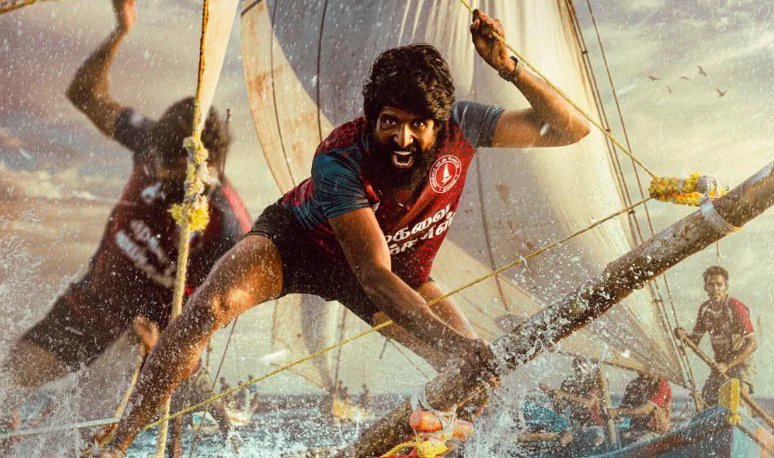
Soori’s swagger and Suhas’s darker nuance now anchor Mandaadi’s raucous boat race, but the film’s real hook is the sheer audacity of its oceanic chase. In a world where set‑pieces often stay dry, Mathimaran dared to swing a camera into the surf, turning a seaside town’s pulse into a cinematic tide.
The director, once an assistant to Vetrimaaran, admits the story sprouted from a chance trip to a coastal festival. Watching the boats lurch and thrum, he felt a narrative roar in his bones—so much that he carved an entire film around that roar.
Vetrimaaran’s initial reaction was a warning: “Sea shooting is a nightmare.” Yet after the cut, he flipped the script, calling Mathimaran the “most successful assistant” and praising the conviction that saw the film through a storm. That reversal is a rare inside track on how mentorship can turn skepticism into applause.
And the sea? It didn’t take kindly to the crew. A boat capsized, gear went down with the waves, and cinematographer SR Kathir had to improvise on the spot, framing frames as the water threw them a curveball. The result is a raw, kinetic energy that feels as real as the tide itself.
With the film out, Mathimaran is already sketching a trilogy, hinting that the sea holds more stories. If Mandaadi proves a learning curve, the next chapter could see him pushing the limits even further—maybe even making the ocean his own personal set.