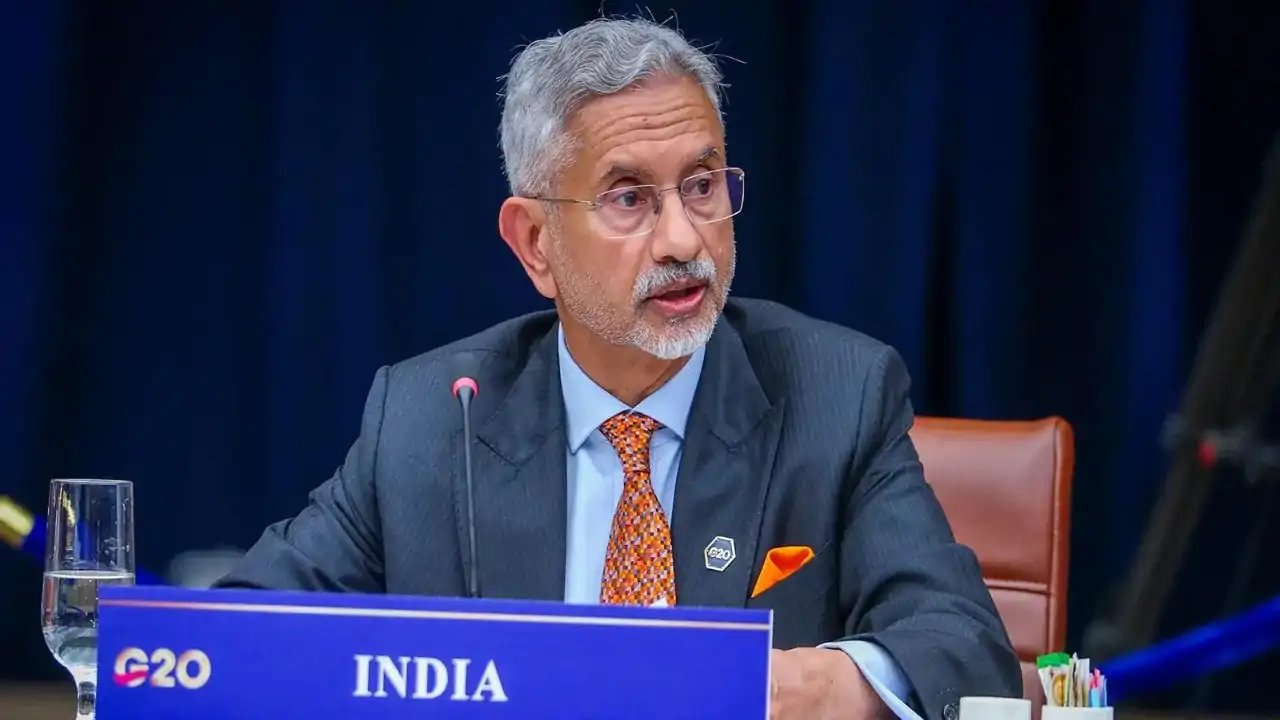
New Delhi is pushing a three-front diplomatic offensive to stabilize the global food and energy markets, External Affairs Minister S Jaishankar said Sunday from Atlanta, where he attended the G20 Foreign Ministers' Meeting. The push targets three specific flashpoints in the Russia-Ukraine conflict: protecting civilian shipping and seafarers, restoring grain exports from the Black Sea, and preventing attacks on energy infrastructure. Jaishankar noted that grain shipments from both major exporters have dropped sharply, threatening global supply chains.
The energy aspect presents the most complex diplomatic hurdle. Jaishankar explained that "energy" means different things to different parties—refineries to some, power grids to others, and fuel-carrying ships to a third group. "Non-attack on energy is probably the most complicated piece because it means different things to the different players," he told ANI. India is currently working to align these interpretations to secure a broader agreement.
Diplomatic channels are already active. Jaishankar confirmed that Prime Minister Narendra Modi had discussed the conflict with Russian President Vladimir Putin in Delhi and earlier in Bishkek. The minister himself had visited both Moscow and Kyiv, and he held talks with Russian Foreign Minister Sergey Lavrov during the current G20 session. India is also coordinating with the United States, whose Secretary of State Marco Rubio is aware of these parallel mediation efforts.
Jaishankar declined to share specific details on the current state of the negotiations, citing the sensitivity of the ongoing talks. "In terms of details, state of play, etc., I don't think I'd be in a position to share that publicly," he said. The next phase of these diplomatic efforts will likely unfold as G20 discussions continue, with India seeking to bridge the gap between its own mediation and the US-led peace initiative.