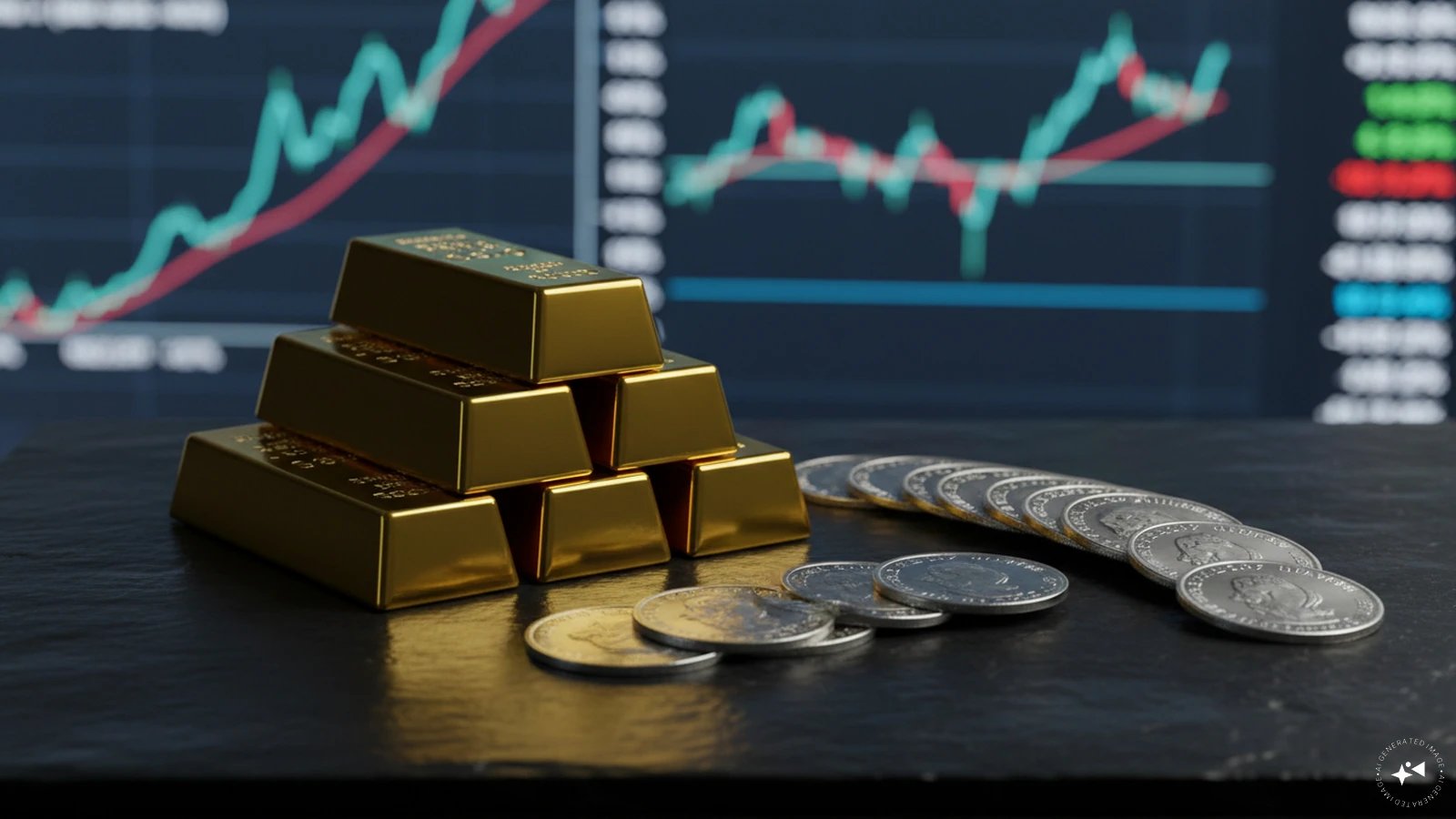
Gold futures on the Multi Commodity Exchange (MCX) opened lower on Wednesday, trading at ₹1.46 lakh per 10‑gram contract – a 0.35% decline from the prior close. Silver fell 1.20%, settling at ₹2.08 lakh per kilogram, mirroring the broader metal sell‑off.
The dip follows a 3‑day rally that capped at ₹1.47 lakh for gold and ₹2.13 lakh for silver, before oil prices surged past $90 a barrel and raised inflation worries. Market participants see higher crude as a drag on discretionary spending and a potential catalyst for a longer‑lasting Fed rate‑hold.
Analyst Ashish Rajodiya, Head of Commodities at PL Capital, said the recent rally had been “short‑lived” because the oil‑price spike re‑ignited fears of a tougher monetary stance. He added that if oil stays above $95, the probability of a Fed rate hike later this year could rise, tightening bullion demand.
The US dollar index rose 0.8% during the session, widening the spread against the rupee. A stronger dollar makes gold and silver pricier for non‑US buyers, while higher Treasury yields increase the opportunity cost of holding non‑yielding metals.
Support levels are now under scrutiny: MCX Gold futures are at a key floor of ₹1.45 lakh/10g, with a breakout above ₹1.47 lakh seen as a sign of short‑term recovery. Silver futures hover at ₹2.08 lakh/kg, with a move above ₹2.13 lakh viewed as a bullish pivot.
Looking ahead, market watchers will turn to the Fed’s October 27‑28 meeting for clues on policy direction, while Indian retail demand around festive seasons may inject some resilience into domestic bullion volumes. The next data release – the US PCE inflation report – could further shape expectations on interest rates and metal pricing.
In summary, the commodity market remains highly sensitive to oil‑price fluctuations and Fed outlooks, with both gold and silver futures in a delicate balance between technical support zones and macro‑economic headwinds.