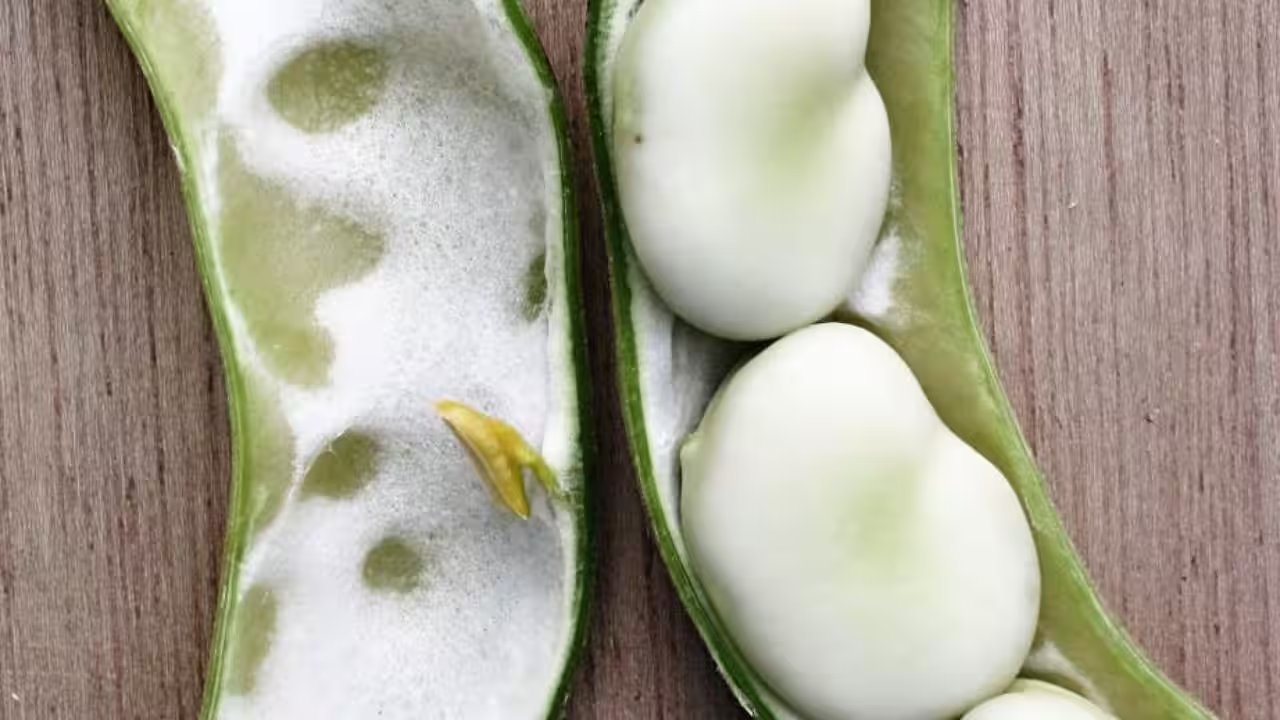
The Grandfather Bean, a broad bean variety nurtured by the Burge family in Somerset since 1875, secured a permanent spot in Garden Organic’s Heritage Seed Library at the end of 2025. This inclusion marks the end of a 150-year journey where the crop’s survival hinged entirely on one family’s ability to save and replant seed. The variety, named by the donor’s father after his great-grandfather born in the 1830s, is no longer just a family heirloom; it is now a nationally protected resource.
Getting there wasn’t simple. Garden Organic’s horticultural team subjected 19 candidate varieties to strict trials, checking for germination rates, disease resistance, and genetic consistency. Five candidates failed. They were rejected for poor growth or excessive variation. Grandfather Bean survived the cull, joining 10 other successful varieties in the permanent collection. The process ensured that what was shared with members was a robust, distinct cultivar, not just a handful of lucky seeds.
Historically, the broad bean (Vicia faba) has deep roots in the region. Martock History notes the crop was mentioned in local parish records as early as the 12th century. It served as a hardy staple for soups and stews when other crops failed. For the Burges, however, the bean was about continuity. By refusing to switch to commercial strains, they preserved a specific genetic line that had likely shifted slightly over 15 decades of selective gardening. This kind of family-held preservation is increasingly rare as commercial agriculture prioritizes uniformity over heritage.
The Heritage Seed Library now safeguards this variety alongside other at-risk crops. Garden Organic states that these additions are at risk of extinction without such intervention. For the Burge family, the bean’s future is no longer tied to the health or choices of the next generation alone. It exists in a controlled, shared environment where it can be propagated by members across the Midlands and beyond. The next step is distribution; the library will now make the seed available to its members, ensuring the 1875 lineage continues to grow in gardens far from its Somerset origin.