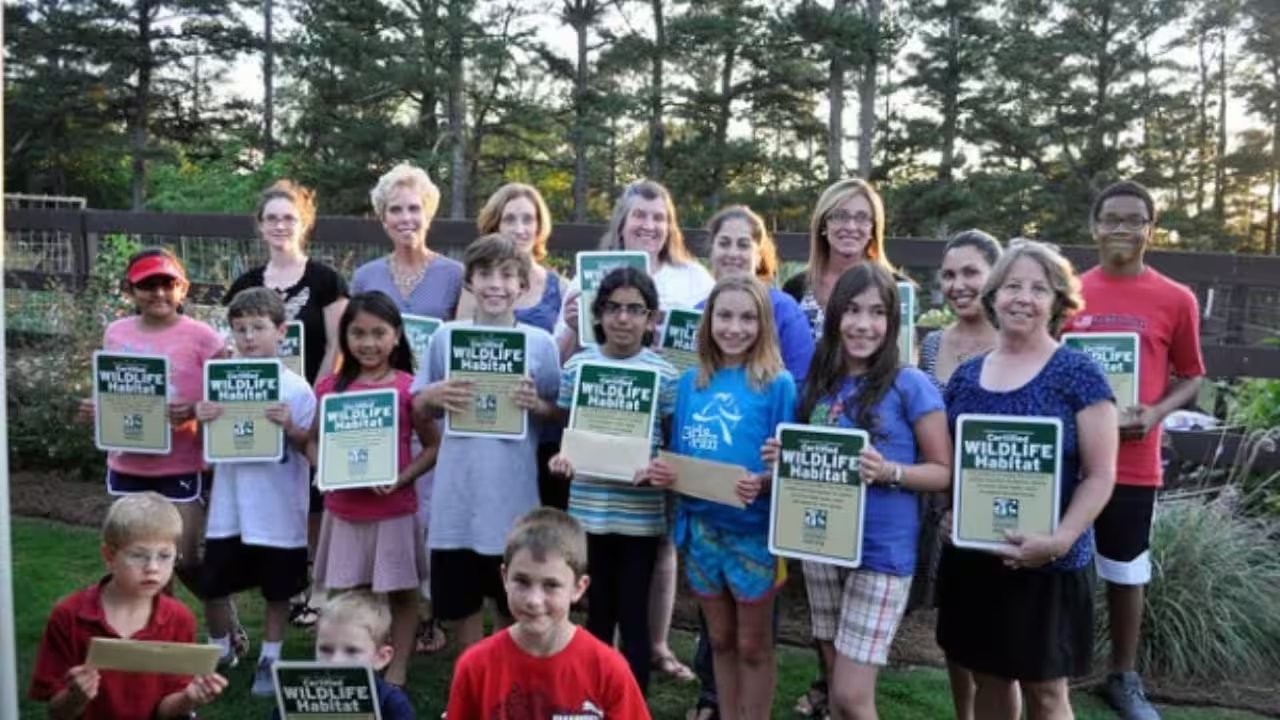
Malcolm Barnard didn’t wait for permission to change his suburb. The teenager launched a two-year grassroots push that transformed Johns Creek, a fast-growing enclave northeast of Atlanta, into a certified wildlife haven. By April 2012, the National Wildlife Federation (NWF) officially designated the city as its 60th certified community in the United States—and only the second in Georgia. It wasn’t a government-mandated project. It was a teenager’s idea that refused to die.
The mechanics were simple but labor-intensive. Barnard knocked on doors, explained the NWF’s requirements for food, water, and shelter, and recruited residents to modify their properties. He didn’t stop at backyards. He targeted the schools. By 2013, all 18 public schools in Johns Creek had joined the NWF’s Schoolyard Habitats program, turning concrete playgrounds into certified ecosystems. Action for Nature, which awarded Barnard its 2013 International Young Eco-Hero prize, noted that he personally directed his $1,250 award from the Cox Conserves Heroes program into these school gardens.
The distinction mattered because Johns Creek was expanding rapidly. The project rejected the notion that conservation requires setting land aside from development. Instead, it wove habitat into the daily fabric of the suburb—connecting private gardens, schoolyards, and public spaces into a continuous network for birds and insects. Hundreds of homes participated, creating a mosaic of protected space that no single park could match in a dense residential area.
More than a decade later, the effort hasn’t faded. The NWF’s current records list Johns Creek as an active certified community, with recertification efforts keeping the status alive. The city continues to partner with local conservation groups to maintain these standards. For a suburb that could have easily paved over its green spaces, the result is a living proof that a single student’s persistence can reshape an entire community’s relationship with nature.