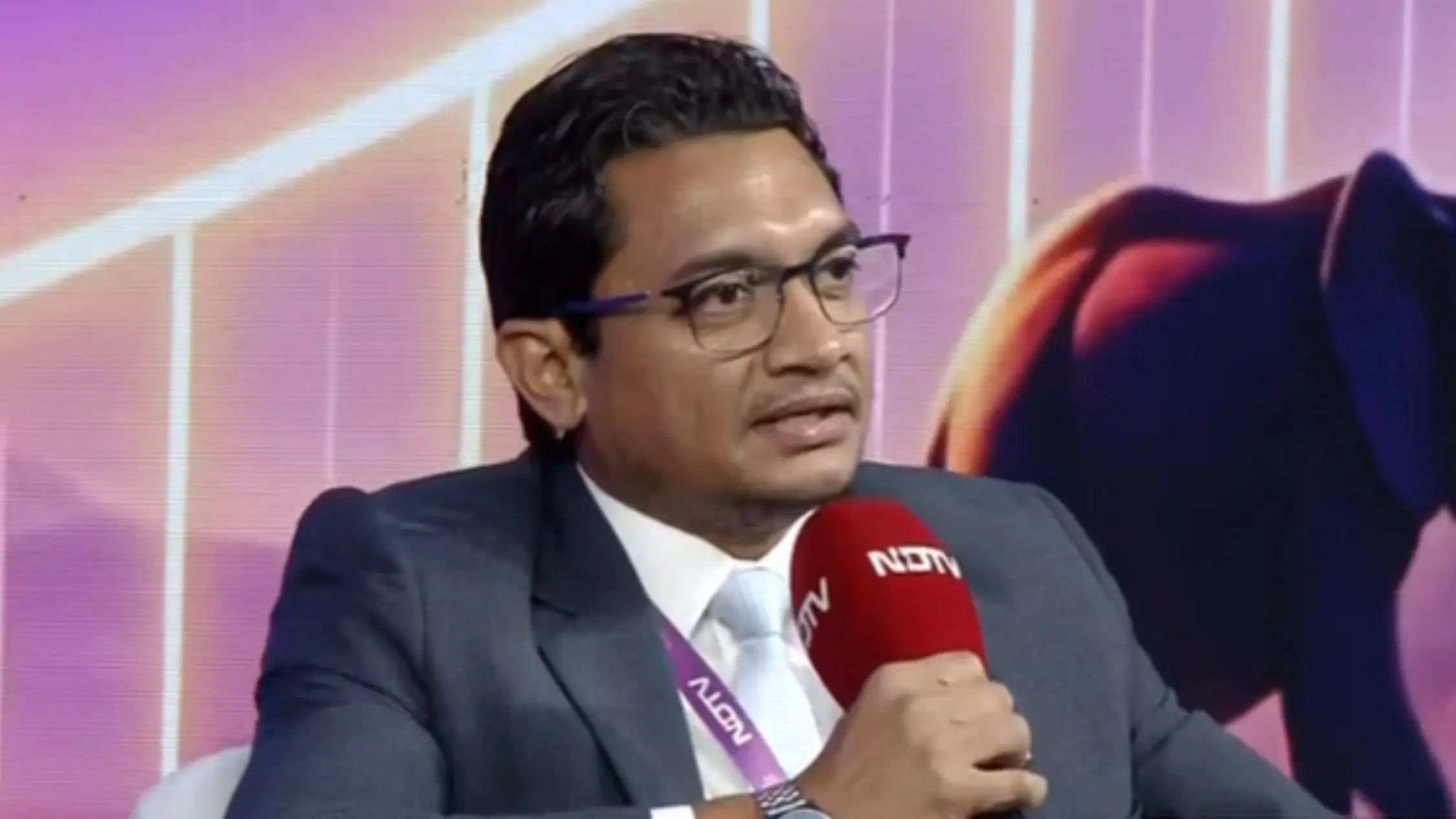
Sri Lanka is no longer in a crisis mode, but the scars of 2022 remain fresh in the memory of its leadership. Chathuranga Abeysinghe, the country's Deputy Minister of Industry and Entrepreneurship Development, made no attempt to downplay India's role in keeping Colombo afloat. Speaking at the NDTV World Summit in New Delhi, he offered a direct, unambiguous thank-you. "India greatly supported us with a lot of financial assistance and being there for us in all these difficult years," he said. The admission is significant. It acknowledges that without New Delhi's bailout, the fuel shortages and currency collapse that sparked street protests in 2022 could have spiraled into total state failure.
The minister, who described his return to India after a long interval as a source of personal pleasure, framed the next three to five years as a transition from mere survival to genuine transformation. The government has stabilized the macro-economy, restructured debt, and implemented structural reforms to prevent a repeat. But stability is not growth. Abeysinghe pointed to the fact that many infrastructure projects, stalled since 2019, are only now restarting. He sees infrastructure as the engine for the next phase, moving the economy from a defensive posture to an offensive one.
To get there, Colombo is looking west—well, north. Abeysinghe explicitly cited India's 1990s economic liberalization as the blueprint Sri Lanka intends to follow. "I think India did this in the 1990s, slowly opening markets to the world," he noted. The goal is to remove para-tariffs, sign more Free Trade Agreements (FTAs), and integrate more deeply into global supply chains. He emphasized that Sri Lanka is "keenly looking for partnerships," signaling a shift toward proactive industrial cooperation rather than passive aid reception.
The path isn't smooth. Sri Lanka remains heavily dependent on imported energy, and Abeysinghe admitted that energy prices have escalated three times this year alone. This volatility has pushed up manufacturing costs and inflation, forcing the government to maintain a strict fiscal buffer. With exports worth approximately $18 billion—roughly a quarter going to the US and a fifth to Europe—the pressure to diversify and compete is high. The next few years will test whether Sri Lanka can replicate India's post-reform growth trajectory or if global cost pressures continue to strangle its industrial potential.