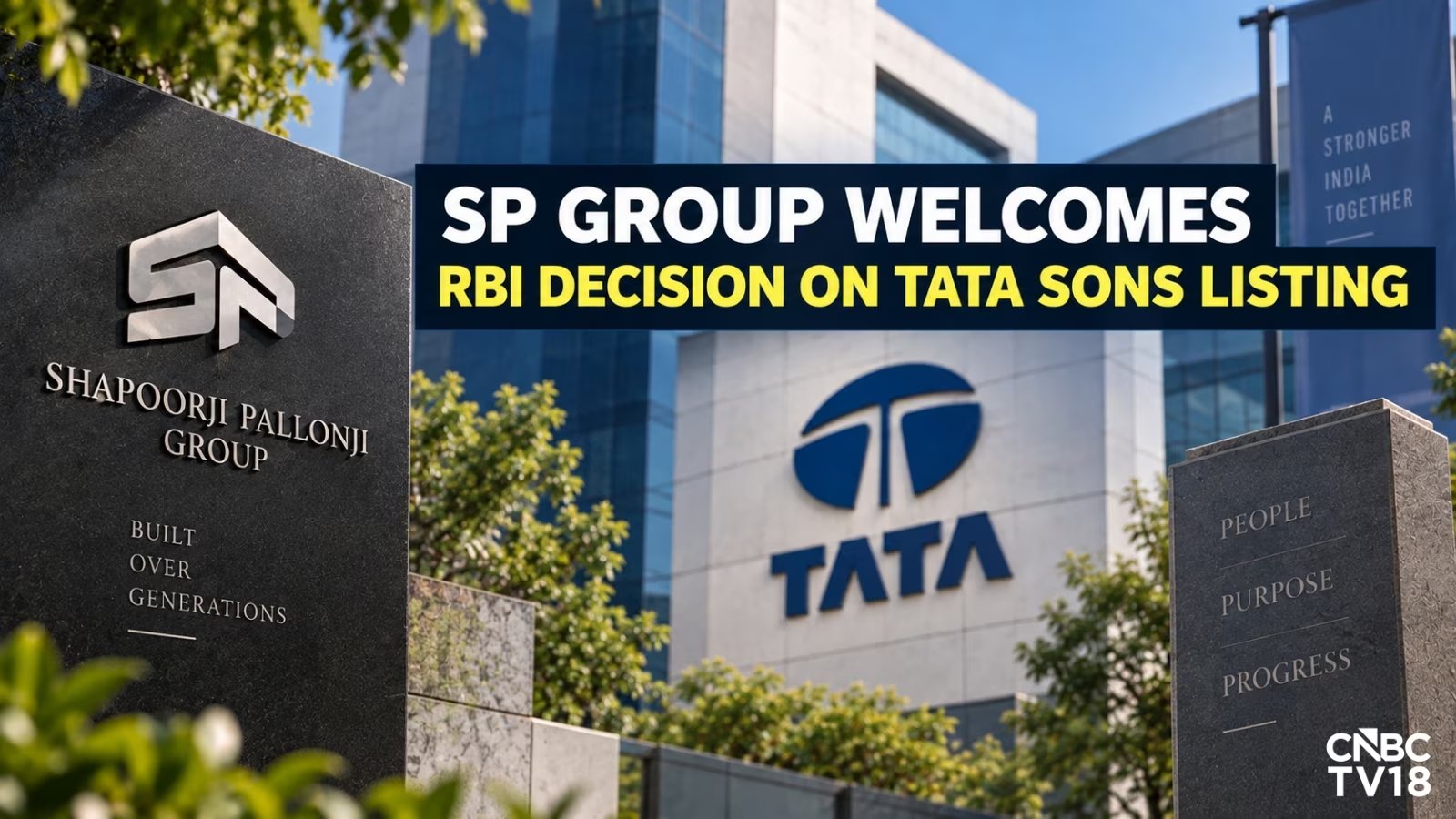
The regulatory impasse surrounding India’s largest unlisted conglomerate just shifted. Shapoorji Pallonji Group (SP Group) Chairman Shapoorji Pallonji Mistry threw his weight behind a public listing of Tata Sons, calling it a "social and moral imperative" rather than a mere regulatory hurdle. This stance lands hours after the Reserve Bank of India (RBI) rejected Tata Sons’ application to surrender its registration as a Core Investment Company (CIC), effectively stripping the holding company of its regulatory shield and forcing a structural reckoning.
The numbers on the table are substantial. According to a statement from Tata Trusts, Noel Tata has proposed providing at least ₹25,000 crore in liquidity to the SP Group by monetizing its 18.37% stake in Tata Sons. The deal is structured in two tranches over 18 months, with shares held through Sterling Investment Corporation Private and Cyrus Investment Private valued under Rule 11UA of the Income Tax Rules, 1962. This isn't a quick flip; it’s a calculated, slow-burn exit strategy that requires a selective capital reduction process before the National Company Law Tribunal (NCLT).
Mistry’s tone was diplomatic but firm. He urged stakeholders to view the RBI’s decision not as a victory for one camp over another, but as a "landmark in the evolution of Indian corporate governance." "Let us not allow the listing to become even a minor point of division. Let us use it as a bridge," he said. The emphasis on transparency and public accountability suggests SP Group is positioning itself as the pro-market voice in a dispute that has simmered for years, leveraging the century-old relationship between the two industrial houses as leverage for a constructive outcome.
The counter-narrative remains strong. Tata Trusts has separately maintained that Tata Sons should remain unlisted, arguing that alternatives to a public listing should be explored. Funding options for the ₹25,000 crore payout could include internal cash flows, monetizing listed investments, or bringing in investors into newer businesses. The tension here is palpable: one side sees a listing as a path to modernization and transparency; the other views it as a dilution of the trust’s control and a departure from the institution’s philanthropic roots.
What happens next depends on the board’s response to Noel Tata’s proposal. If the two-tranche monetization is approved, it would be the largest private sector stake exit in Indian corporate history, reshaping the balance of power within the Tata group. For investors watching the NSE and BSE, the ripple effects will be felt in the listed Tata entities, where any change in the holding company’s structure could alter dividend policies, capital allocation, and governance dynamics. The board meeting is the next critical juncture.