politicselectionskarnatakaSIRbjp
Satish Jarkiholi Declares SIR Misinterpreted, Asserts 1 Crore Voter Deletions Blocked
Published: October 30, 2026
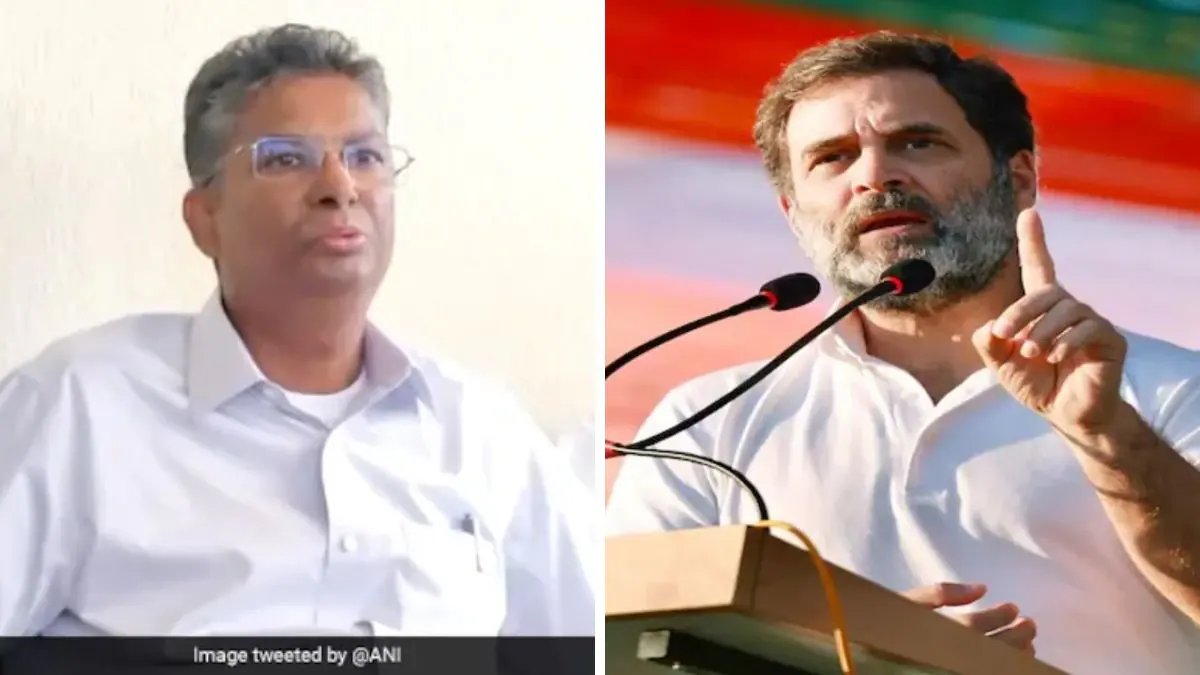
Satish Jarkiholi, Karnataka cabinet minister, clarified on October 30, 2026 that his SIR comment was misinterpreted after the BJP targeted Rahul Gandhi. The clarification comes ahead of the Election Commission's scheduled review of the SIR process on November 5.
SIR, or Special Intensive Revision, has become a flashpoint in Karnataka after the BJP accused the Congress of using it to purge voters loyal to rival parties. Satish Jarkiholi, the state’s cabinet minister for the Ministry of Parliamentary Affairs, had earlier warned that the BJP intended to delete eligible voters via Form‑7, a mechanism used in other states.
In a post on X on October 30, 2026, Jarkiholi insisted his remarks had been "misinterpreted", adding that the 1 crore names removed from the electoral roll were not arbitrary. "These are voters who shifted, died or were duplicates," he said, and claimed Congress, led by Rahul Gandhi, prevented the mass deletion.
The BJP, meanwhile, slammed the Congress for "anti‑democratic politics" and said that even its own leaders acknowledged the need for a clean voter roll. Congress leaders defended the SIR process, saying it was carried out correctly in Karnataka and should be replicated elsewhere.
The dispute has hit Belagavi district, where a group of 150 families protested the deletion of their names, demanding that the Election Commission revisit the record. One resident, 68‑year‑old Ramesh, said his name had been taken off after he moved to a different village, and he fears he may have been denied the right to vote.
Both parties are set to address the issue in the Election Commission’s upcoming review scheduled for November 5, 2026, which will determine whether the SIR process can be replicated across other states. The outcome could shape voter registration policy nationwide.