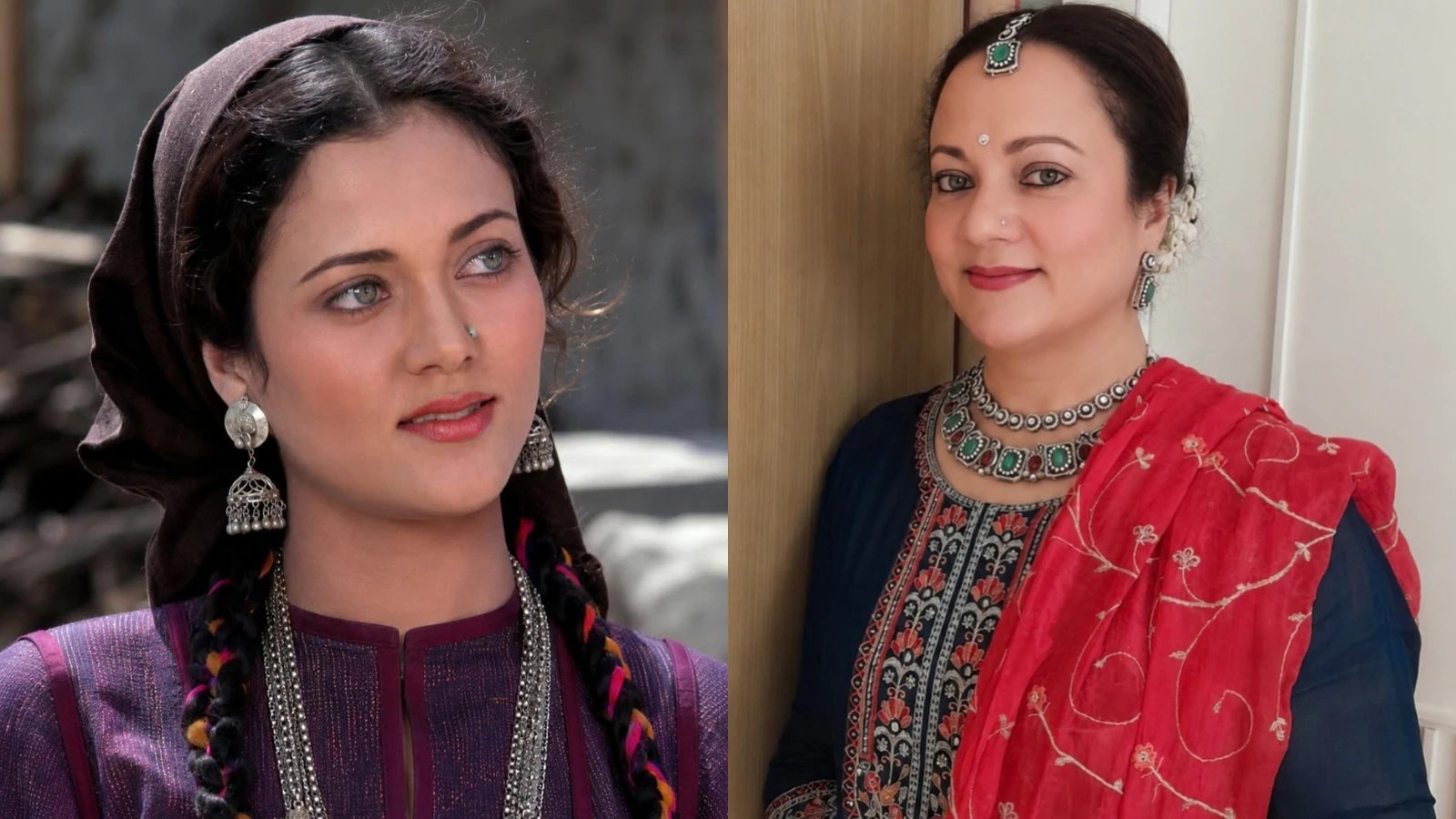
If you remember the neon‑lit glamour of "Ram Teri Ganga Maili", you know Mandakini’s face was everywhere—glossy posters, red‑carpet interviews, and the occasional wink that made her a household name. Now, she’s taking the spotlight in a different way, admitting that a chunk of those glossy years was paid for in silence.
Back then, the film set felt less like a studio and more like a frat house. Directors would hand a script, say, "Sign it, darling," and then casually add, "We’ll sort the money later." Contracts were a loose promise, not a legal document, and that looseness often left actors in the dark.
Mandakini recalls the moment a director asked her to sign a new project, only to later say, "We’ll get the money to you, just a bit of paperwork—nothing big." She laughed, noting that the promise was sometimes fulfilled, sometimes not.
She says the real reason for the unpaid tally is twofold: some projects never finished, while others were shelved and never saw a theatrical release. In those cases, the money that was supposed to be paid simply vanished, leaving her out of pocket.
She’s also admitted to taking on short, 15‑day gigs for free, a practice she joked was part of the informal camaraderie of the time. Yet, even after those free shoots, most of her work eventually paid off—except for those 16 films.
Now that she’s resurfacing in the 2022 music video "Maa O Maa" alongside her son, her story reminds us that the glitter of cinema can hide a darker side. Maybe it’s a wake‑up call for better contracts, even for the big‑name veterans of the 1980s.
What’s next? Mandakini’s candidness could spark a broader conversation about protecting actors, especially those whose careers were built on an informal industry ethic. For now, her revelation is a stark reminder that the silver screen’s allure often masks a less glamorous reality.