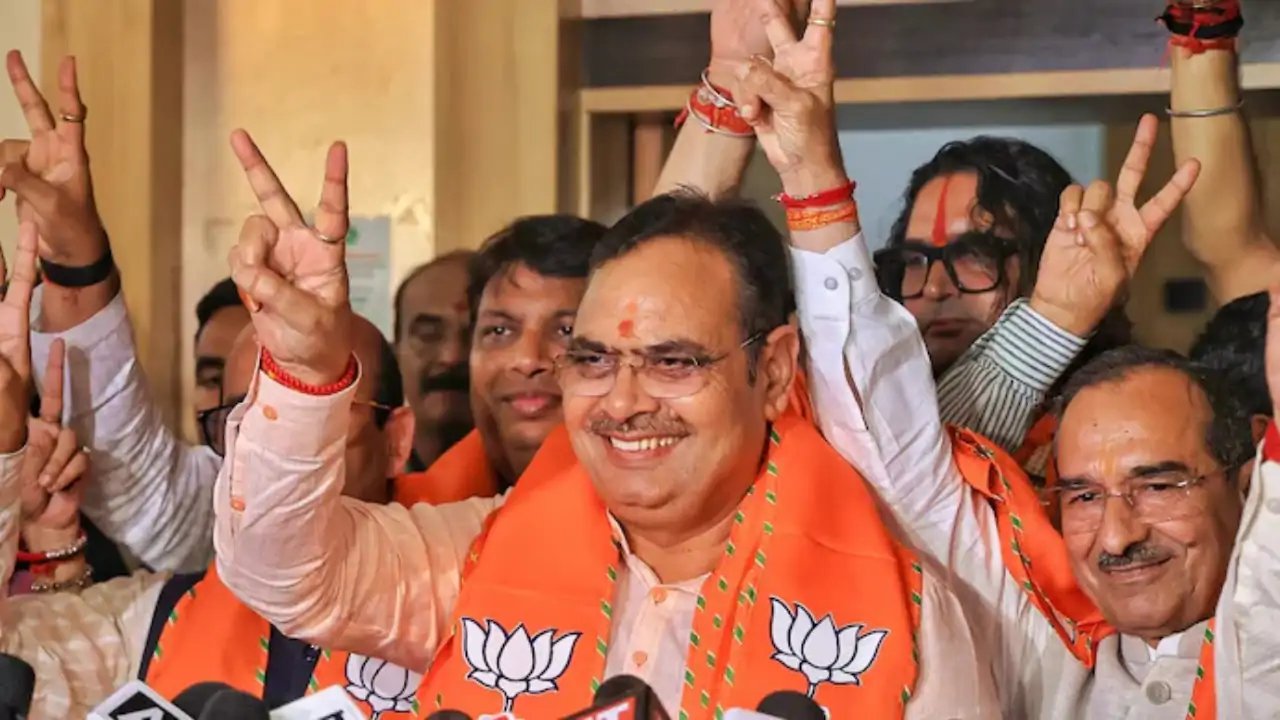
While the BJP captured 4,179 wards, the vote share gap is under one percentage point, revealing a sharp seat‑vote mismatch that shows how efficiently the party converted votes into seats.
Independents seized 2,273 wards, a figure that eclipses the Congress's 3,613 and turns the narrative from a BJP clean sweep to a fragmented mandate. In Chief Minister Bhajanlal Sharma’s hometown of Bharatpur, independents claimed 36 of 65 wards, leaving BJP with 20 and Congress with seven, signalling a power shift in symbolically loaded districts.
Repolling of nine contested wards—across Jaipur, Jodhpur, Kota and Suket—will occur on September 16, with results counted the next day. The real battle will unfold on September 21 when mayors and chairpersons are elected, followed by deputy appointments on September 22, and where independents will decide control in municipalities lacking a clear majority.
Context stems from the 2019‑21 cycle when Congress held 123 of 196 urban bodies against BJP's 64. BJP’s current gains are measured against a previously weaker base, underscoring that the party’s 566‑ward lead rests on a fragile vote‑share advantage.
As the polls close, both BJP and Congress are courting the independent bloc, which now holds the balance of power in over a third of the urban councils. The upcoming mayoral elections on September 21 will test whether that 0.94‑point lead can survive the influence of the independent majority.