Ohiosolarfarmproperty rightsmedical debt
Wayne Greier Loses $540,000 Solar Lease After Township Ban
Published: September 30, 2026
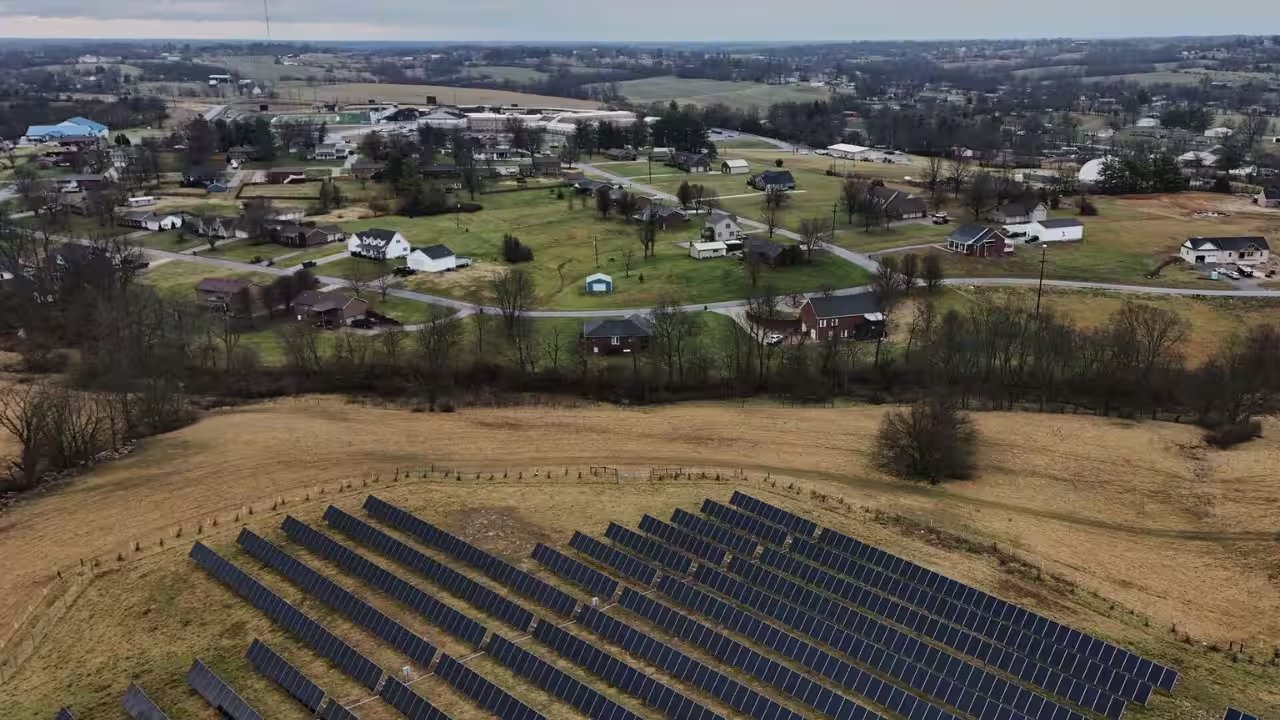
Wayne Greier, a sixth‑generation farmer in Mahoning County, Ohio, lost a planned $540,000‑per‑year solar lease on 600 acres in 2021 when township officials invoked Senate Bill 52. He has since sold land and equipment, and now leases the remaining acreage to a local farmer to keep the farm running.
Wayne Greier, a sixth‑generation farmer in Mahoning County, faced a $1 million medical bill after a severe COVID‑19 bout that left him hospitalized for 40 days and required seven abdominal surgeries. In 2021 he struck a lease with a solar developer that would have paid him $540,000 per year for 600 acres of his 1,000‑acre property.
The proposal hit a legal wall when township officials invoked Ohio Senate Bill 52, granting local bans on large wind and solar projects, and Green Township trustees voted to prohibit commercial solar. Residents staged protests outside Greier’s home, spread rumors that panels would poison water, and pressured his children into school disruptions.
The fallout forced Greier to sell 200 acres and key machinery—a 24‑row planter, tillage equipment and a deep ripper—to appease banks and avoid foreclosure. He also returned leased tractors and cut back grain production, losing a core income stream.
Now, Greier leases the remaining 400 acres to a neighboring farmer, while actively lobbying state lawmakers to protect property rights for farmers across Ohio. He continues to work the land, raising livestock and selling grain, keeping his family’s legacy alive on the plot where his father’s ashes rest.