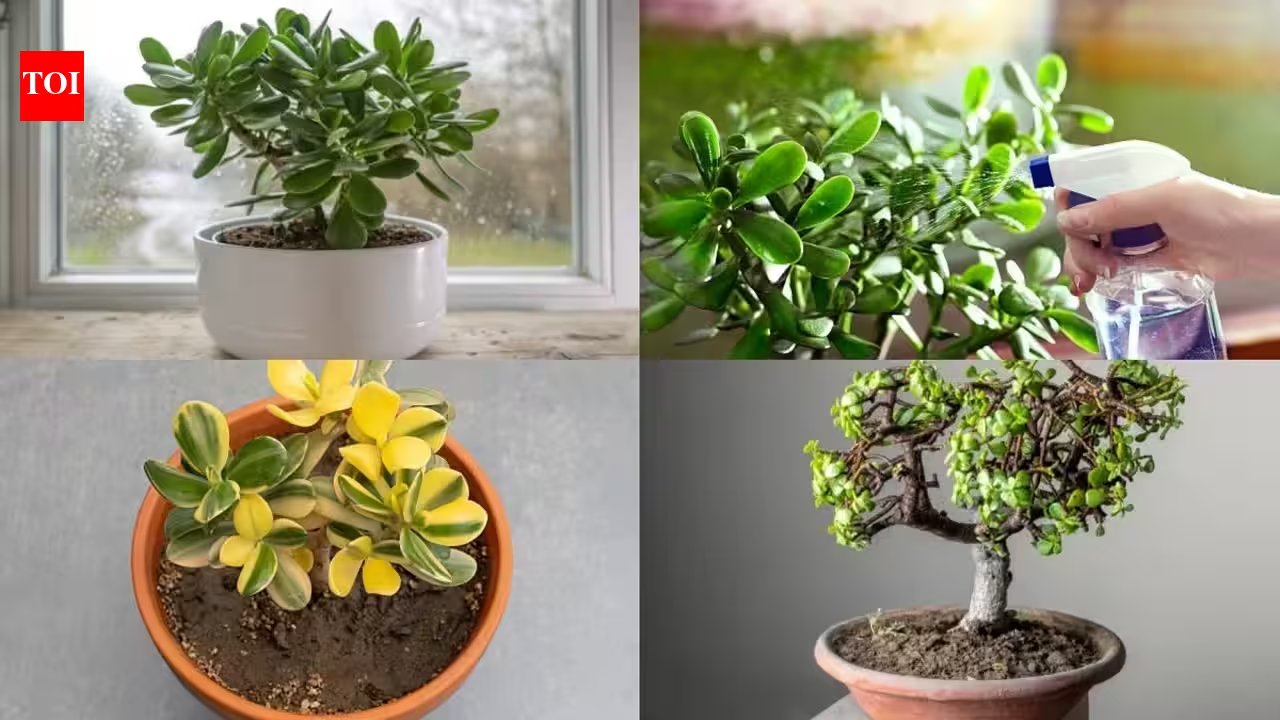
First, find the brightest spot for your jade; odd light can turn your succulent into an elongated cactus. Move it to a south‑or west‑facing window that gets four to six hours of sun, and rotate the pot a quarter turn every week or two so every side gets its share. If your window is dim, a small 6‑inch LED grow light placed a foot or two above the plant can make a big difference.
In winter, jade plants are a slow mover. Water only after the soil dries completely, then give it a deep soak and let it drain—every three to four weeks is usually enough. If the leaves look wrinkly, give it a drink; if they feel mushy or yellow, ease off the water.
Keep the plant between 10‑24 °C and avoid frosts. Bring it indoors before the first cold nights, and keep it away from cold window glass, drafty doors, or radiators that scorch or dry out the leaves. A sudden swing in temperature is the most common reason for leaf drop.
Skip fertilizer from October until early spring. When new growth appears, a diluted cactus formula or a balanced fertilizer will give your jade the nutrients it needs without burning the roots. A well‑draining cactus mix and a pot with drainage holes are more important than any supplement.
Dust dulls the shine and blocks light. Wipe each leaf gently with a soft, damp cloth every few weeks, and check for tiny white cottony patches—mealybugs. Dab them with a cotton bud dipped in rubbing alcohol or spray the plant with a neem‑oil‑in‑water mix. Catching pests early keeps the leaves glossy and healthy.
If you’re in a dim room, pick a budget LED grow light from a local retailer or online; a 6‑inch unit will give your jade the light it craves without breaking the bank. Keep a small jar of cactus mix handy for spring, and watch your jade thrive into the new season.