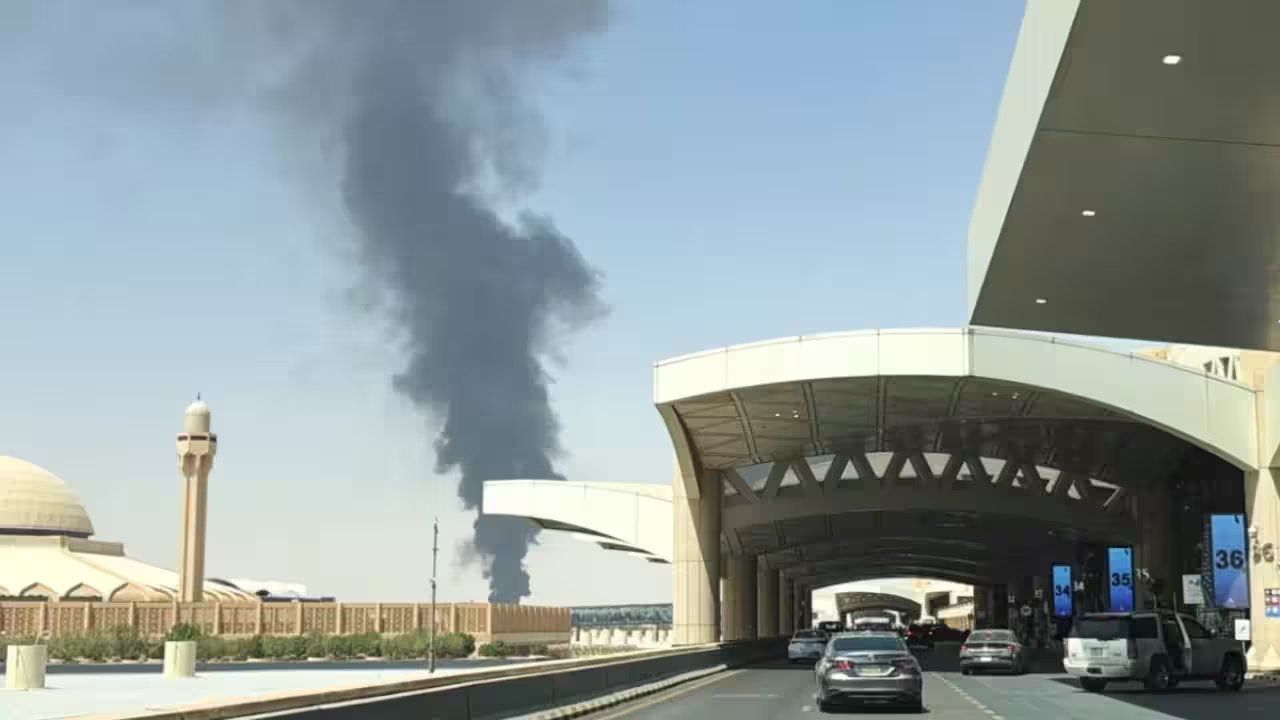
King Khalid International Airport in Riyadh opened its doors on Sunday, 25 October 2026, with Terminal 1 dedicated to domestic flights and Terminal 2 to international services, as announced by the airport authority on X. The authority urged passengers with confirmed bookings to verify flight status with their airlines before traveling.
Hours later, Houthi military spokesperson Yahya Saree posted on X that the airport was a military target and warned airlines, staff and travellers against using the facility. He said, "The Yemeni Armed Forces renew their warning to all global, regional, and local airlines, as well as employees and travellers, against traveling through Khalid Airport in Riyadh, as it is unsafe, being a military target for our forces." Saree also claimed the group had struck Riyadh, Yanbu, Dammam, Rabigh and other sites, including Aramco facilities and the East‑West oil pipeline.
The warning follows earlier Houthi claims of attacks on Saudi airports and energy infrastructure, and has prompted Air India and Air India Express to suspend flights to Jeddah, Riyadh and Dammam until 31 October and 7 November, offering affected passengers refunds or rebooking. A 32‑year‑old mother traveling to visit her ill brother in Jeddah was forced to cancel her trip and book a last‑minute flight, incurring extra costs.
Saudi authorities have pledged to bolster security at King Khalid and other key sites, while the Houthis signal that operations will continue if the airport remains operational, creating uncertainty over the resumption of regular air services. Airlines are expected to review security protocols ahead of the scheduled return of flights to Riyadh.