environmentair pollutionagriculturetechnologyIndia
Madhya Pradesh Leads 118 Stubble-Burning Incidents, Threatening Delhi-NCR Air Quality
Published: October 11, 2026
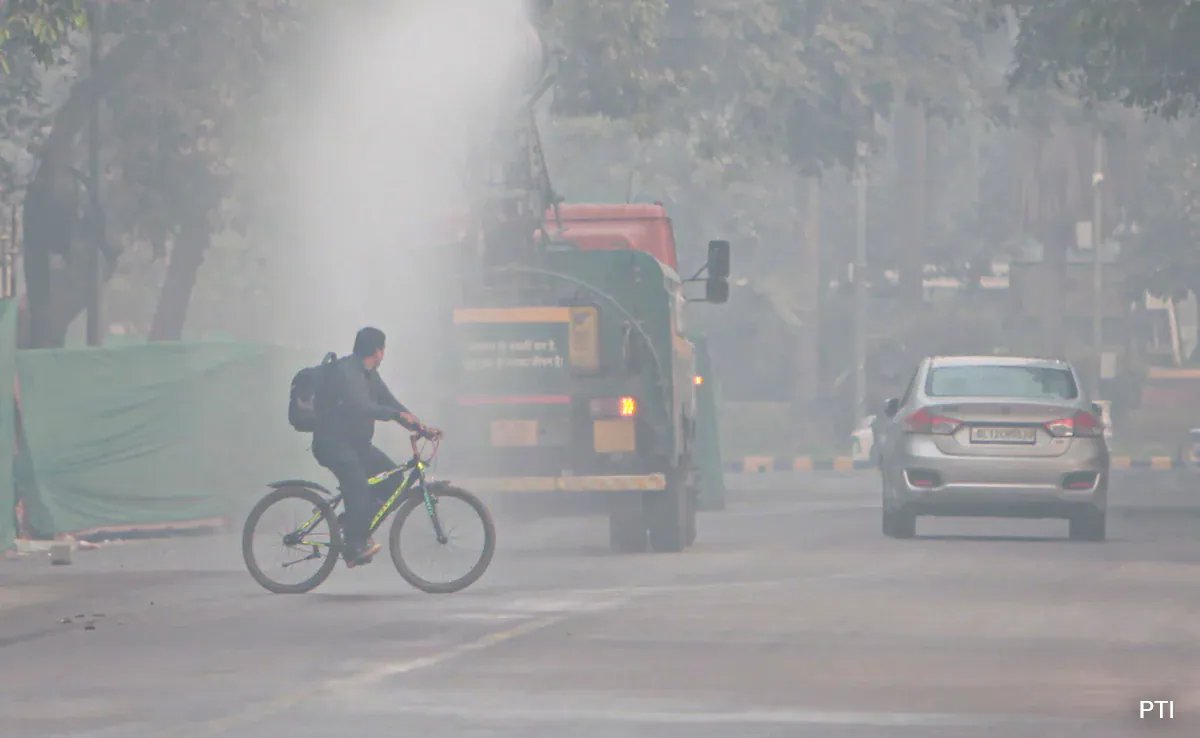
Madhya Pradesh farmers sparked 118 crop‑residue burning incidents across the state between 15 September and 6 October 2026. The spike threatens to worsen Delhi‑NCR's winter air‑quality crisis, prompting authorities to deploy satellite monitoring and seek commercial uses for stubble.
The Indian Agricultural Research Institute's CREAMS bulletin logged 287 crop‑residue burning incidents across seven North Indian states from 15 September to 6 October 2026, marking a sharp rise in the region.
Madhya Pradesh emerged as the biggest culprit, accounting for 118 of the incidents, while Punjab dropped to 88 and Uttar Pradesh recorded 65.
Satellite‑based monitoring has become the frontline tool; on 6 October alone, space‑borne sensors detected 33 fires, 24 of which erupted in Madhya Pradesh—73 percent of the day’s total.
Sameer Sagar, founder of AlgaeTree & Mushroom World Group, told NDTV that technology alone cannot stop farmers who see burning as the cheapest way to clear fields.
He added that a viable solution must link stubble to markets—biomass‑utilisation plants that can turn residue into bio‑fuel or raw material for industry, giving farmers a profit instead of a penalty.
Delhi officials are now drafting a satellite‑guided enforcement programme, set to roll out next month, that will combine real‑time fire detection with ground verification and penalty incentives for clean‑up.
The next phase will also test pilot projects that supply low‑cost, mobile residue‑collection units to rural communities, a move that could curb the 118‑incident spike and protect the city’s winter air quality.
“If we turn waste into wealth, burning will become a relic of the past,” Sagar said, pointing to microalgae systems as a complementary layer for the urban core.
The federal government has pledged ₹4,200 crore for agro‑technology grants, but the real test will be whether farmers in Madhya Pradesh adopt the new machinery before the next monsoon.
By 15 November, the Ministry of Environment will release a progress report on the enforcement programme, setting the stage for a national policy shift on crop residue management.
Meanwhile, Delhi’s air‑quality index is expected to spike again this winter, as the city braces for the combined impact of stubble, vehicular emissions, and industrial dust.
The battle against stubble burning is far from over, but the latest data and satellite tech give policymakers a sharper tool to fight the flares that plague the capital.