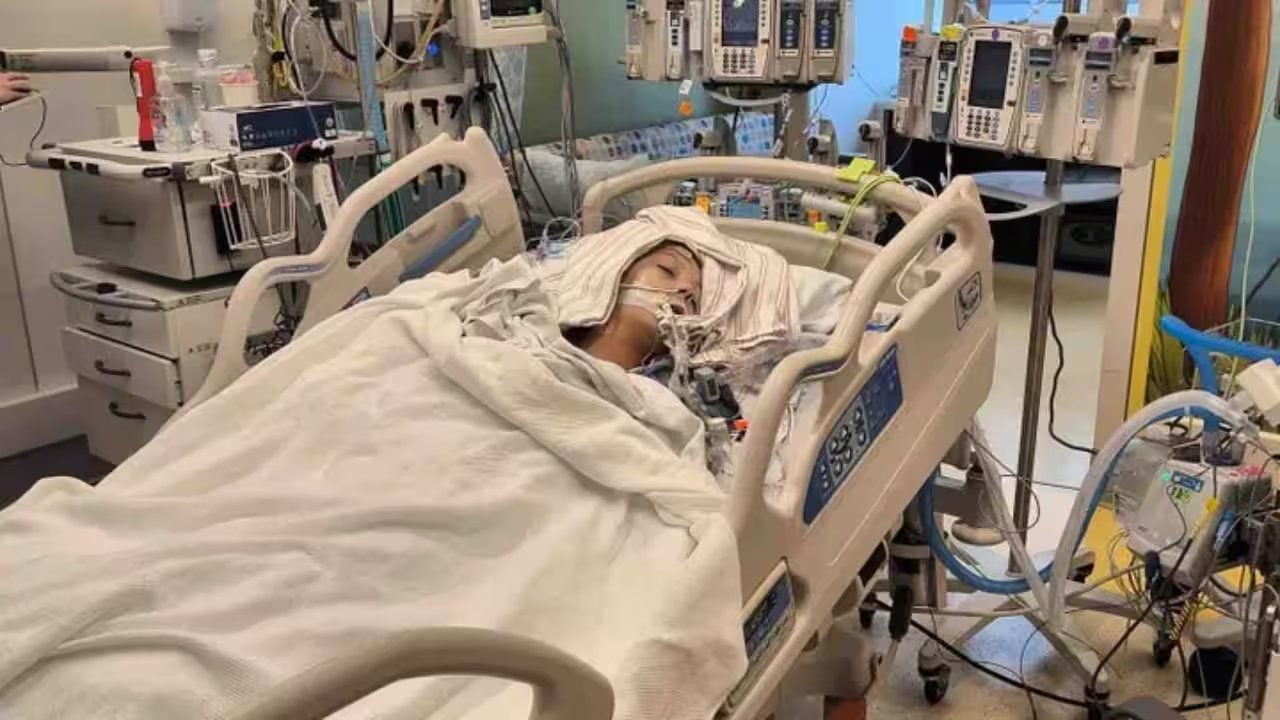
A stent placed in the left anterior descending artery of a 12‑year‑old boy with Kawasaki disease prevented the artery from narrowing further, averting the need for another open‑heart operation.
Kawasaki disease, an inflammatory illness of the blood vessels, often strikes boys under five but can affect older children too. It can cause aneurysms—bulging spots—in the main artery, putting kids at risk for heart blockages or heart attacks later in life. In the U.S., about 9 to 20 per 100,000 children under five develop the condition, and early treatment with intravenous immunoglobulin reduces aneurysm risk by roughly 70 percent.
The Lowry family from North Carolina had to bring their son, Rowan, to Boston despite a sudden insurance denial that called the stent “medically unnecessary and experimental.” Cheryl Presnall said the letter arrived only days before the scheduled procedure. “Rowan is not a science experiment,” she wrote on a GoFundMe page. The family had no time to appeal, so they flew to Boston on October 19, the day the stent was scheduled.
What Rowan’s case highlights is two things: early stenting can be life‑saving for kids whose arteries are already narrowed, and insurance paperwork can lag behind medical urgency. Parents should ask their cardiologist for a written plan that explains why a stent is medically necessary and keep a copy ready for insurers. If a denial comes, a quick appeal or a second opinion from a specialist can sometimes reverse the decision.
Before booking any procedure, talk to your child’s doctor about the timeline for stenting and get a clear estimate of expected costs. Most children with Kawasaki who develop aneurysms benefit from a stent before the artery becomes critically blocked, reducing the chance of repeat surgery and long‑term complications. Always consult a pediatric cardiologist to decide if a stent is the right step for your child’s heart health.