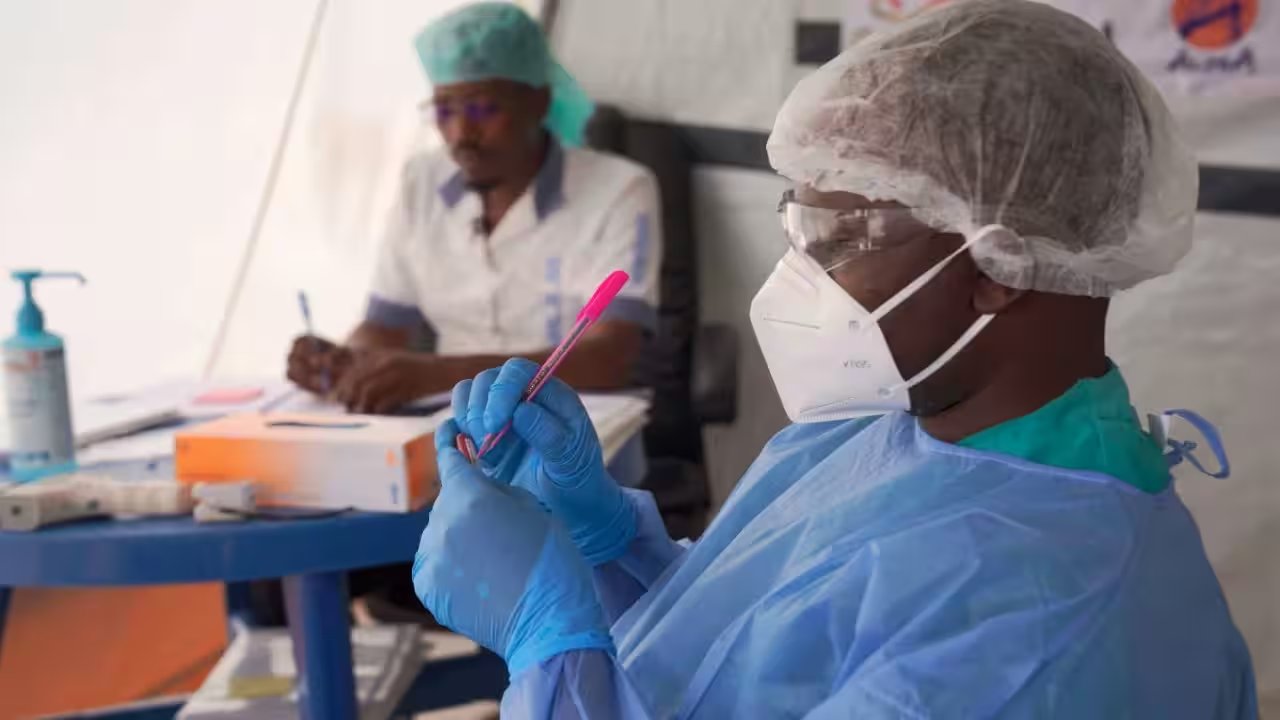
Kenya confirmed its first Ebola case on Oct 3, a fatal infection linked to the Bundibugyo strain, and the patient died in Nairobi after a brief hospital stay.
Ebola, a hemorrhagic fever, starts with fever, chills, and can quickly lead to bleeding and organ failure—early signs mean early treatment can save lives.
The patient’s 28 contacts, plus 23 other passengers from the same flight, are under 21‑day isolation, a protocol that limits spread while they’re tested negative.
If you’ve flown into Kenya from Congo or Uganda, check the flight’s departure, stay alert for fever and sore throat, and keep your phone handy to report symptoms.
Travelers should follow WHO travel advisories, consider the latest vaccines under trial, and have travel insurance that covers medical evacuation.
If you notice fever, headache, or bleeding, call your local health authority immediately, avoid self‑medication, and seek care in a certified Ebola treatment center.
Stay informed, follow official guidelines, and don’t ignore early symptoms.