AgricultureWind EnergyRural EconomyLand UseIllinois
Illinois Farmer Earning $120,000 Annually From Ten Wind Turbines on 800-Acre Farm
Published: October 2, 2026
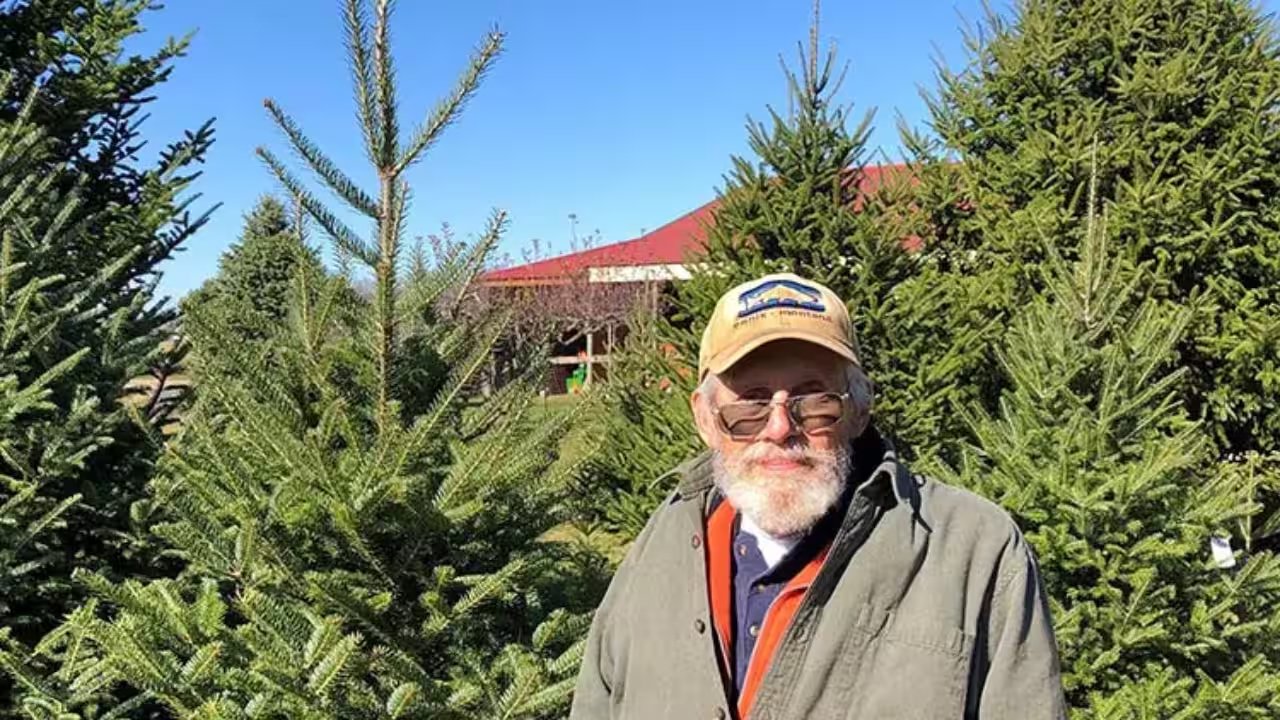
Grain farmer John Dollinger in Grundy County, Illinois, collects $120,000 per year from ten wind turbines installed across his 800-acre property. This growing 'haves versus have nots' dynamic over turbine leases is intensifying land-use conflicts in rural America.
John Dollinger pulls in $120,000 a year. The money comes from ten wind turbines scattered across his family’s 800-acre grain operation in Grundy County, Illinois. It started ten years ago at $10,000 per machine. Inflation pushed the 2025 figure to $12,000 each.
It’s not an anomaly. Ambrook reports that over 90% of U.S. land-based wind turbines sit on private farmland. USDA data confirms that 94% of that land stayed in agricultural use between 2012 and 2017. For Clayton Rosenberger in McLean County, a single 499-foot turbine uses just 0.1% of his 1,100-acre spread. "I don't have a 401-K," he told Ambrook. "But now I do."
The cash isn't just for the farmers. Rosenberger's 300-person township used to struggle to balance its books. Tax revenue from the project now funds repaved roads and new fire trucks. But the sentiment isn't universal. Randy Scilacci, an alfalfa grower in Pershing County, Nevada, rejected a solar proposal and would refuse wind. He fears heavy equipment will crush the fragile topsoil. "You've only got so much farm ground," Scilacci said.
There are physical risks. Construction packs down soil and damages drainage tiles. Lightning strikes or mechanical failures can start fires that drop burning debris on crops. Developers include compensation clauses for this, but Oklahoma Insurance Commissioner Glen Mulready says the real confusion is over property insurance. "Insurance isn't one of them," he told a Lincoln County meeting. State laws force energy companies to name landowners on corporate liability policies.
The social friction is the harder battle. Sarah Mills, a wind energy researcher at the University of Michigan, notes that fewer, taller turbines mean fewer hosts. "This lease model not evolving is creating more haves versus have nots," she said. In Rush County, Indiana, a moratorium was placed after public protests. The project was abandoned. The political winds are shifting too, with tax credits facing pressure.