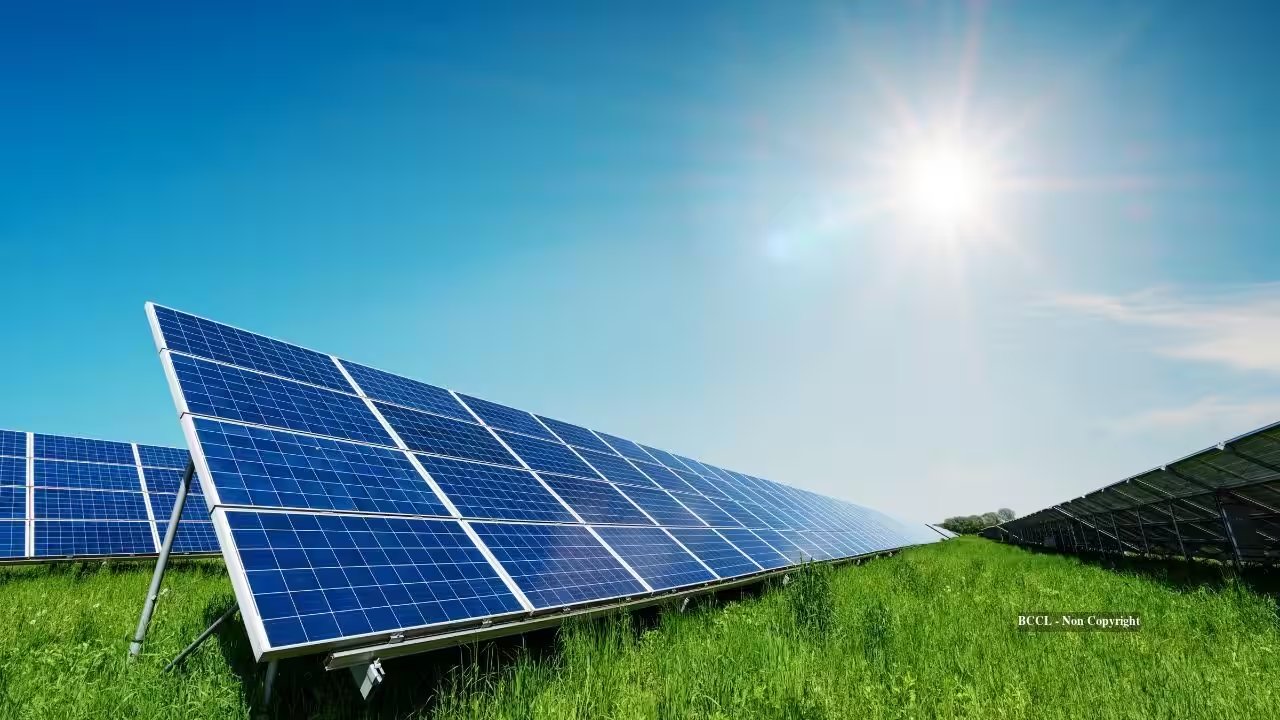
George Hunt Jr. turned an 11‑acre patch that had once attracted a Walmart bid into a 3‑MW solar array that now pays him $1,000 a week. The lease, signed in May, keeps the land under family control while feeding the city of Lowell’s grid.
Hunt had already installed panels on his barn roof in 2015, cutting the farm’s $1,400 monthly electricity bill almost entirely and even feeding surplus power back to the grid. The new ground‑mounted system, built by a local solar developer, covers the 11 acres and supplies 3 MW of clean electricity to the city’s power grid.
Solar consultant Bill Jordan helped Hunt navigate a federal grant that had been overlooked in the original contract, and after the initial contractor withdrew, Jordan returned the payment he received to ensure the grant application could proceed. The grant reduces the developer’s upfront costs, making the lease financially viable for both parties. Hunt’s decision was informed by state incentives that reward renewable energy production.
The lease now provides a steady weekly income that offsets the farm’s variable dairy revenue, while rooftop panels keep the milk‑cooling pumps and milking machines running on solar power. Hunt says the arrangement lets him keep raising his 250‑head herd and selling milk, firewood, and hay, while the land continues to generate electricity. He envisions adding panels to other structures on the property, including a former storage shed that could power a nearby restaurant.
The 3‑MW field also positions Hunt’s farm as a case study for other dairy operators seeking diversification. Massachusetts officials announced a new grant program next month to support similar projects, and the state’s renewable portfolio standard will likely encourage additional farm‑based solar developments.