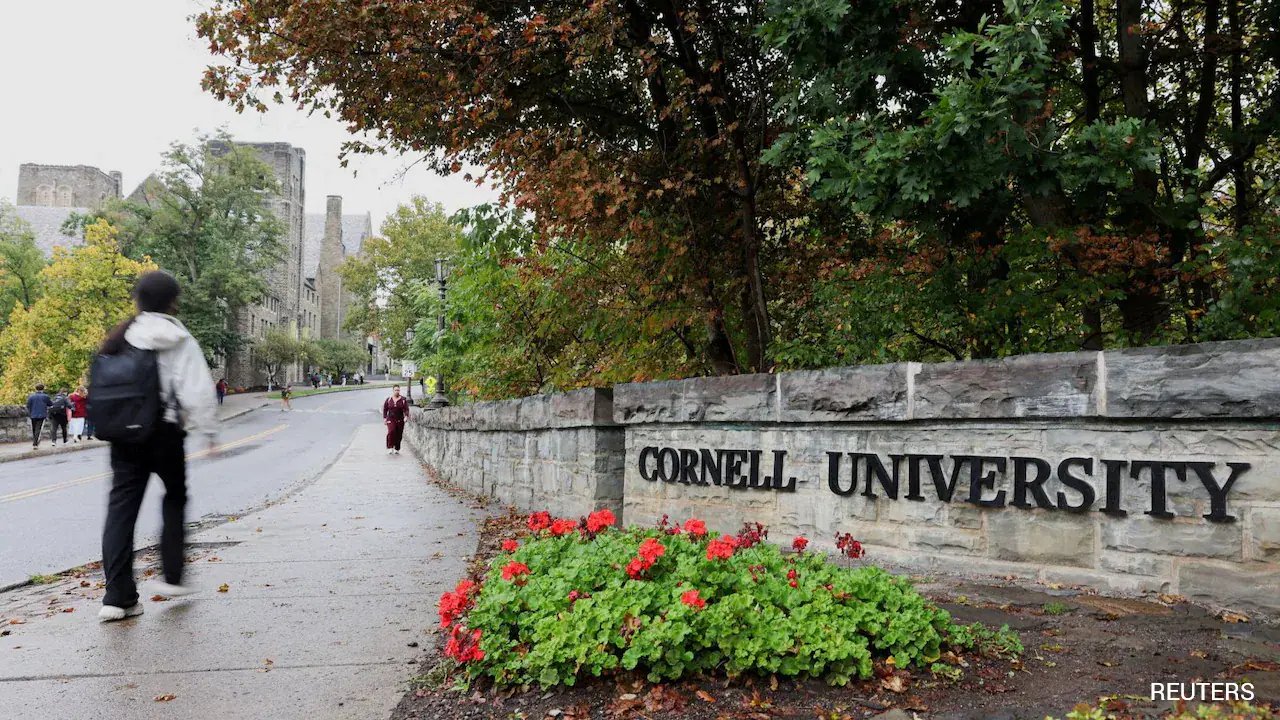
The legal confrontation began in September. Seven former Cornell University fraternity members now face a civil lawsuit after a former student accused them of administering ketamine and subjecting her to a serial sexual assault inside the Chi Phi chapter house.
She sued under the pseudonym Jane Doe. All seven defendants—Matthew Ingalls, Jonathan Newell, Winston Lee, Gillio Lopes, Diego Sarabia, Scott Norris, and Scott Kretzschmar—deny the accusations in court filings. Some argue the encounters were consensual. Others claim they were never in the room. Local prosecutors initially declined to press charges after determining the woman had consented, but authorities reversed course, reopening the investigation and transferring jurisdiction directly to the New York Attorney General.
Cornell's internal disciplinary apparatus moved months ahead of the state. Following an exhaustive Title IX inquiry documented across more than 1,000 pages of campus files, administrators punished every accused student still under university authority.
| Campus Disciplinary Status | Official Sanction Imposed |
|---|---|
| Two Accused Students | Expelled from Cornell University |
| Two Accused Students | Suspended and placed on formal probation |
| Two Accused Students | Ordered to draft reflection papers and attend bystander training |
| One Former Student | Graduated prior to ruling; barred permanently from campus |
The complaint traces the timeline to the early morning hours of October 20, 2024. The plaintiff, then a 20-year-old student, arrived at the Chi Phi property following an event hosted by her sorority, Delta Delta Delta. Inside an area known as the "alum" room, she entered an initial sexual encounter with Ingalls and Newell.
Then the digital paper trail began. Investigators recovered a Snapchat thread time-stamped at 1:42 a.m., where Newell alerted fraternity peers to "pu"—shorthand to pull up to the room. In that same exchange, Ingalls told members they could walk in immediately. An hour later, when her roommate texted asking if she planned to return to her dorm, Doe replied that she did not know.
The lawsuit alleges the situation spiraled into violence. Newell coerced her into inhaling ketamine, an anesthetic, off his body before assaulting her alongside Lopes, according to court documents. The filing further states Sarabia forcibly kissed her, while Ingalls and Lee subjected her to another assault after the chemical incapacitation took hold.
Private messages sent in the subsequent days form the core of Doe's civil claim. Sarabia reached out to apologize for his conduct, prompting Doe to respond that she hoped they could joke about the incident in private down the line, explaining that everyone had been intoxicated, frightened, and disoriented. Yet she also referenced feeling dehumanized, thanking another member for briefly pausing to check on her welfare.
Newell sent his own message hours after the party. His memory remained hazy, he texted Doe, acknowledging he should have shut the situation down before matters escalated beyond control.
New York state investigators are now reviewing those communications alongside university records. The New York Attorney General will determine whether the forensic paper trail warrants criminal indictments as the civil proceedings advance in federal court.