Following the March 20 summit in Washington where President Xi met President Trump, Beijing unveiled a selective tariff‑reduction list that eases duties on 10 U.S. farm items but leaves soybeans under a 10% levy.
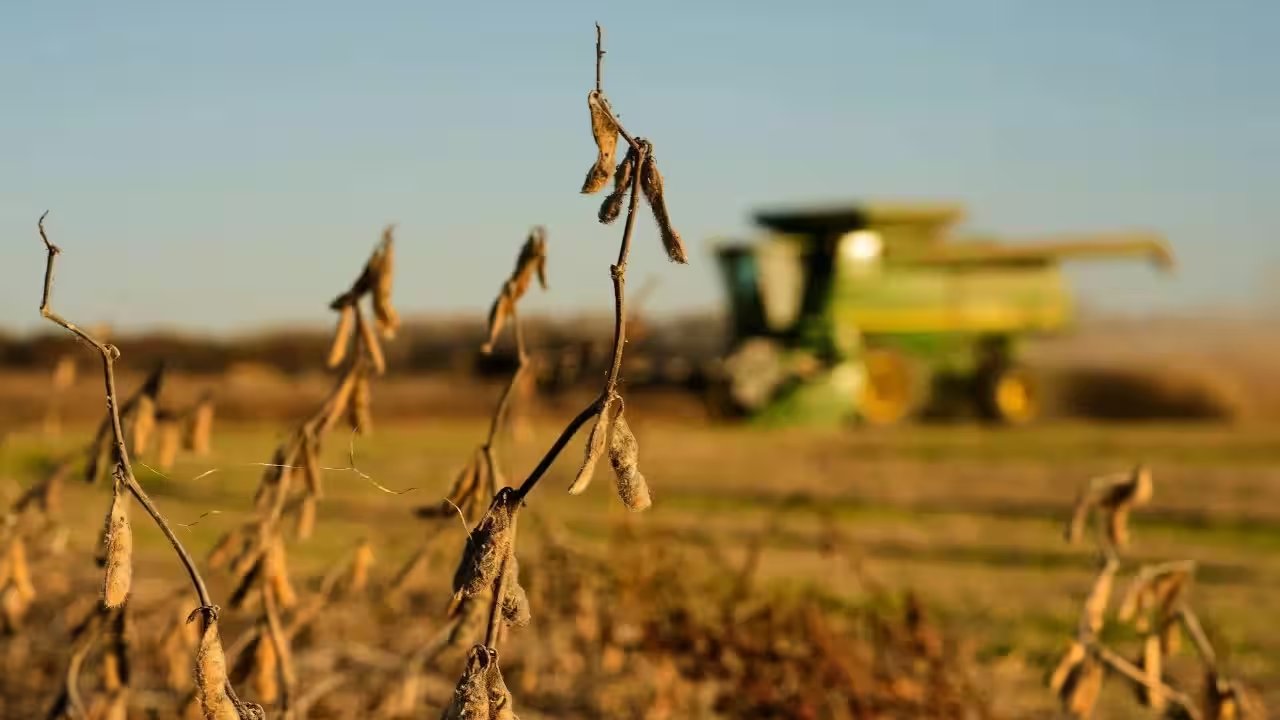
The list removes duties on corn, wheat, sorghum, vegetable oils and meals, meat, dairy, as well as soybean oil and soymeal. Soybeans themselves remain excluded, preserving the additional 10% tariff.
State‑run purchasers have already bought over 12 million metric tonnes of U.S. soybeans, almost half of the 25 million‑tonne annual quota China pledged through 2028, according to the Commerce Ministry.
A trader from an Asian soybean exporter told us that while tariff cuts on other goods will help China meet its $17 billion annual spend, the high soybean tariff still makes private crushers wary of competing on price.
Analysts say the separate soybean track gives Beijing leverage ahead of U.S. midterms, with the 10% tariff acting as a bargaining chip in the broader $30 billion trade council talks.
Both sides have agreed to convene a trade council; its first session will look at reciprocal reductions, while Chinese state buyers are expected to ramp up soybean procurement in the coming months.