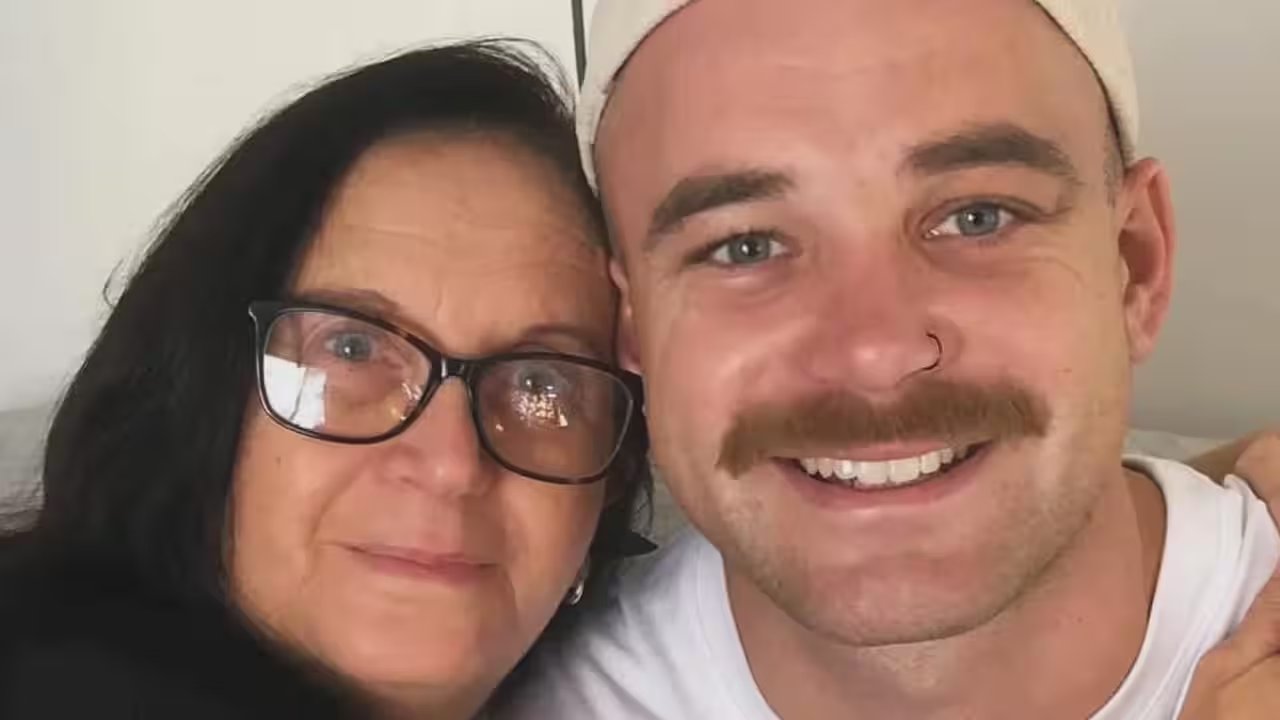
Jack Buckley didn’t set out to become a celebrity. He just wanted to honour his mother, Keryn, who died of a stroke at 58 in February 2025. The grief was paralyzing, so he channeled it into something physical. His plan was simple but brutal: run 58 half-marathons in 58 consecutive days. Each run represented one year of her life. By October 6, 2025, he had covered more than 1,200 kilometres, battling exhaustion and harsh weather, to surpass his initial $20,000 goal. The total crossed $30,000, a sum that goes directly to the Stroke Foundation’s work in prevention and recovery.
But Buckley didn’t stop there. In June 2026, the year Keryn would have turned 60, he returned to the track. This time, the format changed. He ran repeated 6.8-kilometre loops for 58 hours straight, taking only short breaks to refuel. It was a test of pure endurance, supported by a network of friends and family who kept him going when fatigue set in. That second challenge raised another $12,000, bringing his total contribution to over $42,000. It’s a significant amount, but the money is almost secondary to the visibility it brought to stroke prevention.
At the 2026 National Stroke Awards in Melbourne on October 15, Buckley was named Fundraiser of the Year. The Stroke Foundation noted that his campaign helped hundreds of Australians understand that stroke can strike anyone, not just those with obvious risk factors. It’s a sobering reminder. Stroke is a medical emergency where speed matters. Recognising the warning signs—facial drooping, arm weakness, speech difficulty—can mean the difference between recovery and permanent disability. Buckley’s story is turning personal tragedy into a public health lesson.
His work continues. In 2027, Buckley will join the Stroke Foundation’s London Marathon team, extending his commitment beyond the two challenges already completed. For now, though, the focus remains on the impact. The funds support survivors and their families, who often face an uncertain future after a stroke. It’s a reminder that while we can’t always prevent these events, we can ensure those affected have the resources to recover. If you or a loved one is at risk, talking to a doctor about stroke prevention is the most actionable step you can take.