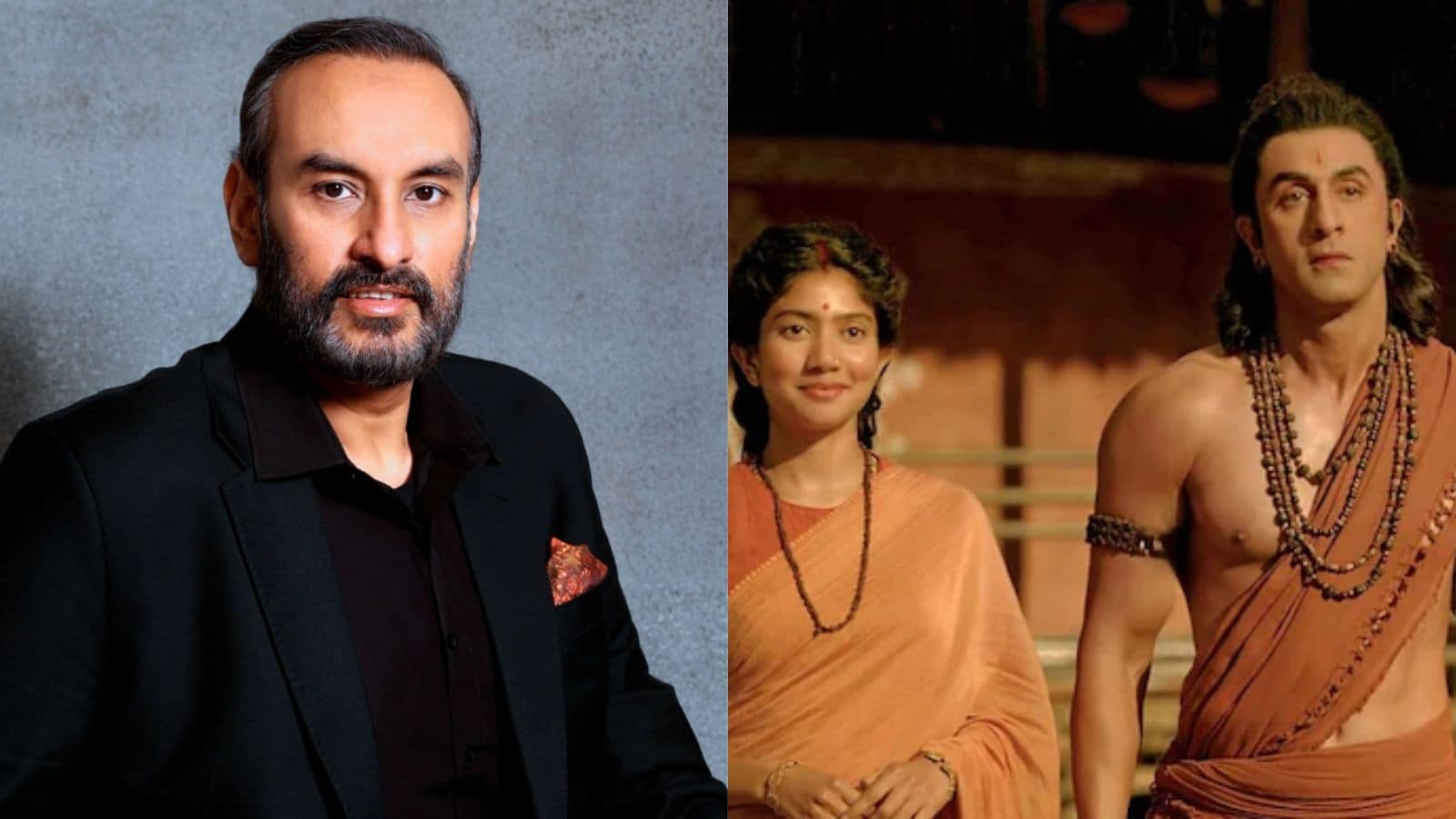
The Academy Theater in Los Angeles is usually reserved for the final hours of a star-studded awards season, but on this particular evening, the spotlight fell on a man who once slept in a garage with a 19-year-old Apple computer. Namit Malhotra, the helmsman of the visual effects powerhouse DNEG, didn't just show up for the Ramayana premiere; he used the stage to dissect his own financial near-death experience. For a third-generation film family kid, the journey from a garage start-up to collaborating with Christopher Nolan and Denis Villeneuve is less of a career arc and more of a survival story.
He wasn't shy about the scars. Malhotra admitted to the audience that the 2008 global financial crisis wiped out 90% of his wealth. That was the year the ground fell out from under the global economy, and for an immigrant trying to bridge East and West, it was a catastrophic reset. Yet, standing in the city of dreams, years later, he framed that loss as the necessary fuel for his current ambition. The bounce-back isn't just about recovering money; it's about proving that Indian storytelling can command the same scale as Hollywood's biggest blockbusters, without relying on foreign studio backing.
The numbers are dizzying. When the team began conceptualizing Ramayana six or seven years ago, industry insiders reportedly called Malhotra a "lunatic." Why? Because no Indian film had ever attempted a production of this magnitude. The combined budget for both parts is estimated at $500 million, translating to over Rs 4,000 crore. Malhotra insists this is not reckless spending but "grounded ambition," claiming they are executing the project more efficiently than comparable Hollywood tentpoles. It’s a bold claim, but one backed by DNEG’s track record of eight Academy Awards for visual effects.
The cast assembled for this scale is just as intimidating. Alongside the lead trio of Ranbir Kapoor, Sai Pallavi, and Yash, the project brings in heavyweight names like Sunny Deol and Ravi Dubey for pivotal roles. The film will split its release strategy, with Part 1 hitting global cinemas ahead of Diwali 2026 and Part 2 following in Diwali 2027. This isn't just a movie release; it’s a two-year event that aims to redefine what an independent epic can look like on the global stage.
Malhotra credits his father, filmmaker Naresh Malhotra, for pushing him toward post-production and VFX as a backdoor into filmmaking. That path led to a company that has become a global pillar of visual storytelling. Now, with the Ramayana set to debut, the question isn't whether the effects will hold up—DNEG has proven that repeatedly. The real test is whether the industry and audiences will buy into the idea that an Indian epic, funded independently, can dominate the box office on a scale previously reserved for Marvel and Star Wars.