temple ritualsmindfulnessspiritual wellnesshinduismlifestyle tips
Why Temple Rituals Like Pradakshina and Bell-Ringing Actually Reset Your Mind
Published: October 18, 2026
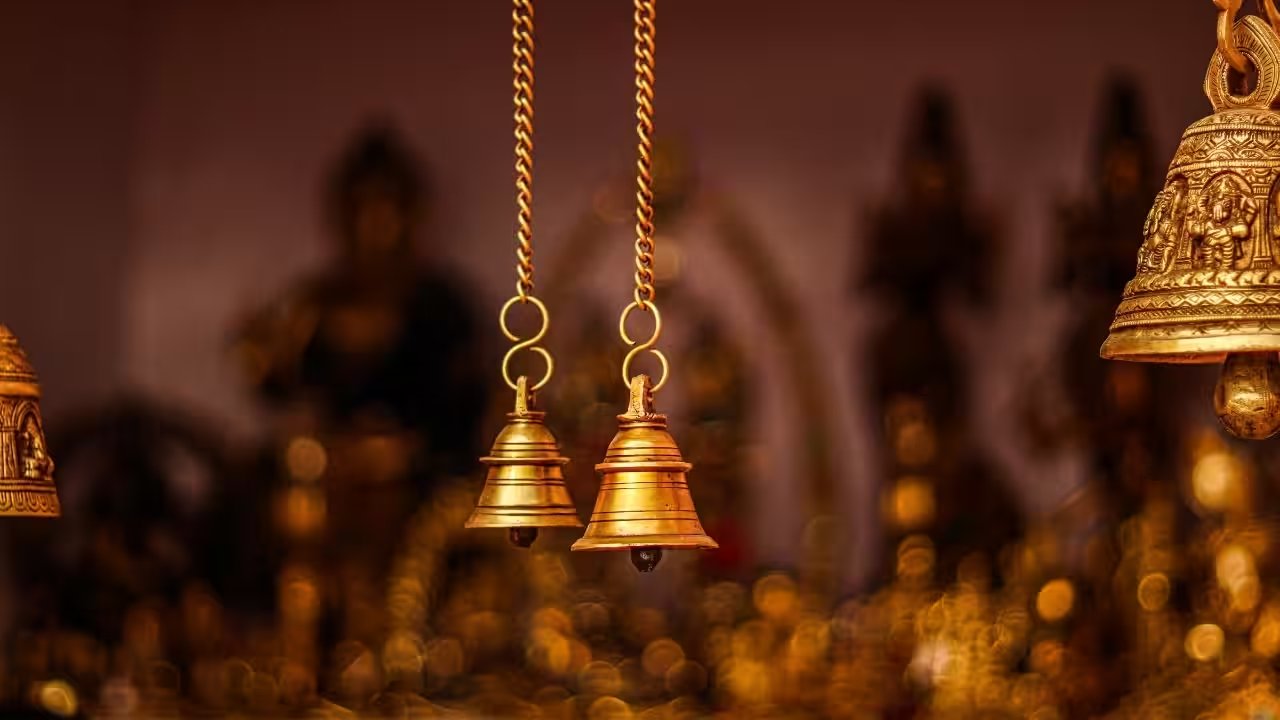
These five ancient temple practices, from removing shoes to taking prasad, are designed to strip away social status and anchor your attention in the present moment. They offer a low-effort mindfulness routine that most people perform on autopilot without realizing the psychological benefit.
You’ve been doing these things for years, likely on full autopilot. But the act of removing your footwear isn’t just about keeping the marble floor clean; it’s a deliberate shedding of your outside identity. Whether you’re stepping in from a corporate meeting in ₹5,000 loafers or a market run in slippers, the threshold forces a reset. For those few minutes inside, the hierarchy of your daily life dissolves. You’re just a person, barefoot, equal to everyone else in the queue. It’s a surprisingly effective way to drop the ego before you even touch the deity's feet.
The loud, jarring ring of the temple bell serves a similar purpose, acting as a mental circuit breaker. It’s loud enough to interrupt the loop of anxieties you carried in from work or family dramas. In many traditions, the sound is meant to signify the beginning of worship, but practically, it snaps your attention back to the here and now. You stop thinking about the email you forgot to send. You stop worrying about the budget. For a split second, you are actually present, and that’s the point.
Then there’s the walk around the shrine, known as pradakshina or parikrama. It’s easy to rush through this, especially when the crowd is thick, but the slow, clockwise movement has a specific intent. You are literally keeping the divine at the center while you orbit around it. It’s a physical reminder to stop putting your own problems at the center of the universe. Taking those extra three minutes to walk slowly, rather than just standing for darshan, allows your nervous system to downshift from 'survival mode' to 'reflection mode.'
Bringing an offering—flowers, a coconut, or a simple fruit—flips the script on transactional prayer. It creates a moment of giving before asking. You don’t need to bring an expensive diamond or a lavish basket of sweets. A small bunch of marigolds or a single banana carries the same weight. The gesture matters more than the cost. It forces you to hold something in your hands with the intention of letting it go, which is a rare exercise in detachment in a world obsessed with accumulation.
Finally, the prasad. That small piece of ladoo or halwa isn’t just a snack. It’s a ceremonial closure. Receiving it carefully and eating it with respect marks the end of the ritual and the beginning of your return to the world. It’s a tangible piece of the calm you just experienced. Don’t just pop it in your pocket to eat later while scrolling through your phone. Eat it right there, slowly, and let it be the final note of your visit. If you’re looking to deepen your next visit, try focusing on just one of these five elements. Maybe it’s the bell. Maybe it’s the walk. Pick one, do it consciously, and notice how different the rest of your day feels.