IsraelElectionsArab PartiesCoalitionSecurity
Arab Parties Hold Key to Israel’s October 27 Election Outcome
Published: October 27, 2026
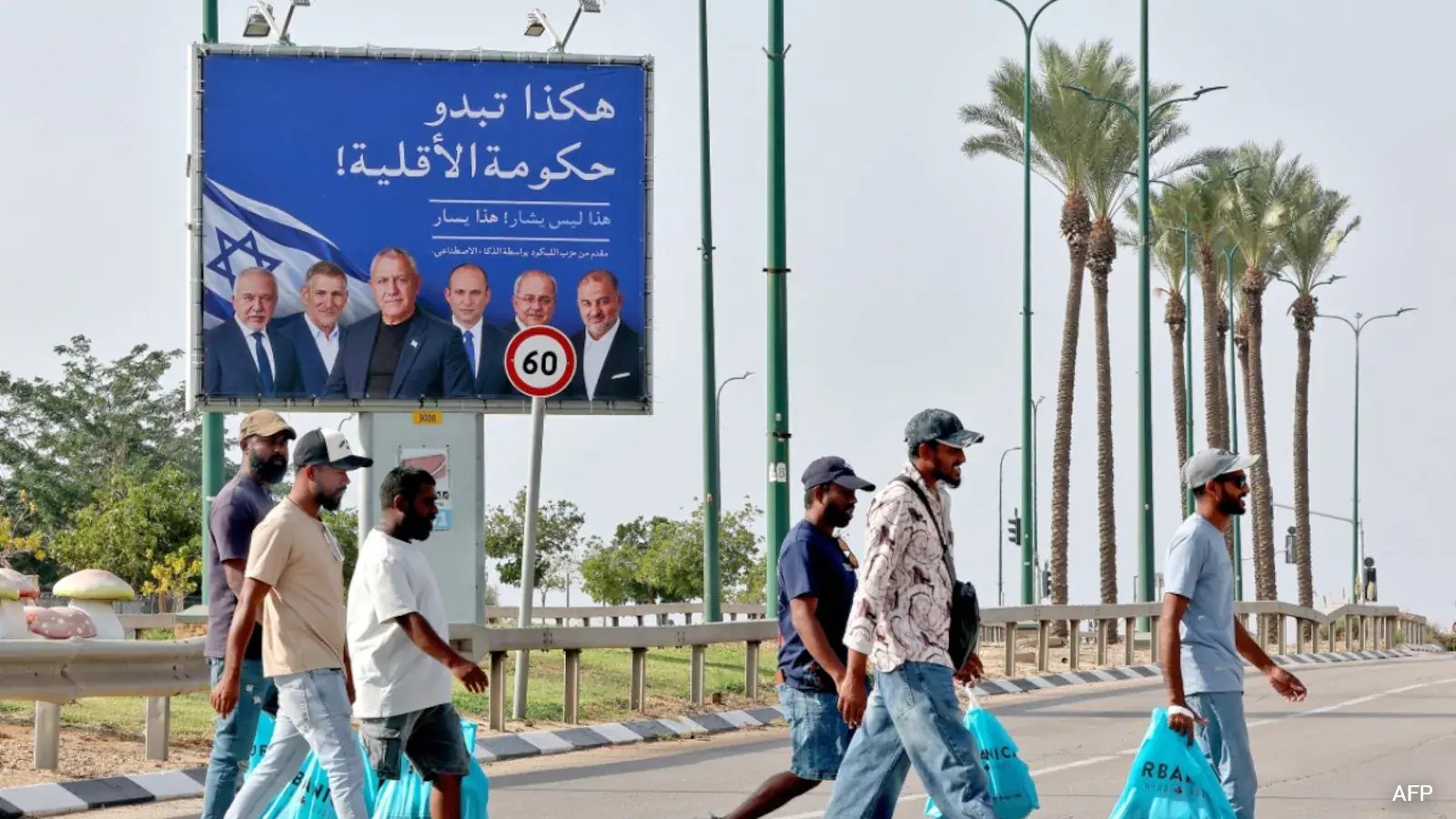
Arab political parties will decide the outcome of Israel’s October 27 election, as a 61‑seat majority is needed in the 120‑seat Knesset. If neither major bloc reaches the threshold, the Arab parties could become kingmakers, forcing coalition negotiations to begin immediately after the results.
The Israeli Knesset will be decided on Friday, October 27, when voters head to the polls to choose 120 representatives, with a 61‑seat majority required to form a government.
Arab citizens make up roughly one‑fifth of Israel’s population, yet their votes have already proved decisive in past hung parliaments. In 2021 the Ra’am party, led by Mansour Abbas, joined a coalition that toppled Benjamin Netanyahu for the first time in 12 years.
The October 7 Hamas attacks and the ensuing Gaza war have hardened many Israeli voters, making them wary of any deals that could be seen as conciliatory toward Palestinians. This climate raises the stakes for parties that might ask for concessions in exchange for parliamentary support.
Netanyahu’s current coalition is a right‑wing, religious bloc that openly opposes any agreements with Palestinian representatives. His opponents, meanwhile, face internal divisions over whether to risk alienating voters by courting Arab parties.
If neither bloc secures 61 seats, the Arab parties could hold the balance of power, forcing both sides into overnight coalition talks that will begin after vote counting on October 28. The outcome will hinge on Arab voter turnout and the distribution of seats among smaller parties.
Residents of Nazareth’s Old Town say the election’s outcome will dictate whether their community’s security and economic future improve, underscoring the human stakes behind the political calculus.