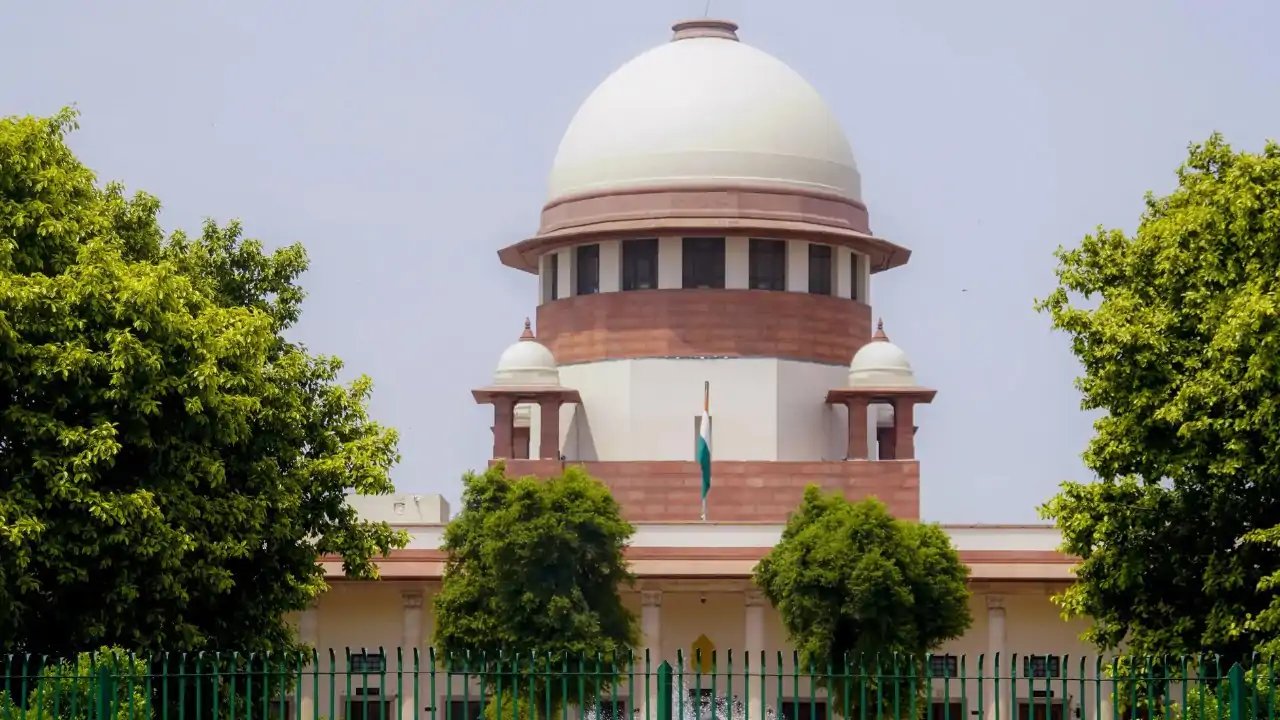
The Supreme Court struck down a criminal case against a father on Thursday, ruling that his daughter's allegations of sexual assault were fabricated during a bitter custody war. The bench quashed the FIR after the Central Investigation Agency (CBI) concluded the claims lacked credibility. This decision instantly shifts the legal landscape for thousands of families currently entangled in similar litigations.
The judges were blunt about the problem. Section 22 of the POCSO Act penalizes false complaints, but the Court noted that by the time that provision is invoked, the accused has already suffered "substantial damage." That damage comes in the form of prolonged incarceration or the loss of pending guardianship proceedings. The bench argued that waiting for a conviction to punish a liar is no protection for the innocent.
Instead of a blanket ban on arrests, the Court ordered a "balancing exercise." Investigators must now engage expert child psychologists or psychiatrists to assist in the probe. This step is designed to distinguish genuine trauma from coached testimony without diluting the strictness required to protect children from actual abuse. The goal is to stop the Act from becoming a tactical weapon in divorce courts.
The ruling applies to a batch of appeals arising from a long-drawn custody battle between a divorced couple. The father had been facing severe reputational and legal jeopardy based on his minor daughter's testimony. The Court emphasized that precautions must not run counter to the Act's object, but they must also ensure no irreparable harm befalls the accused. This creates a new procedural hurdle for police stations handling such sensitive cases.
Legal experts expect this directive to force police and Special Courts to adopt a more nuanced approach in child custody-related FIRs. The immediate next step involves the lower courts and CBI officials implementing these psychological assessment protocols in pending and future cases. For fathers currently facing such charges, this ruling offers a critical avenue to seek relief in higher courts.