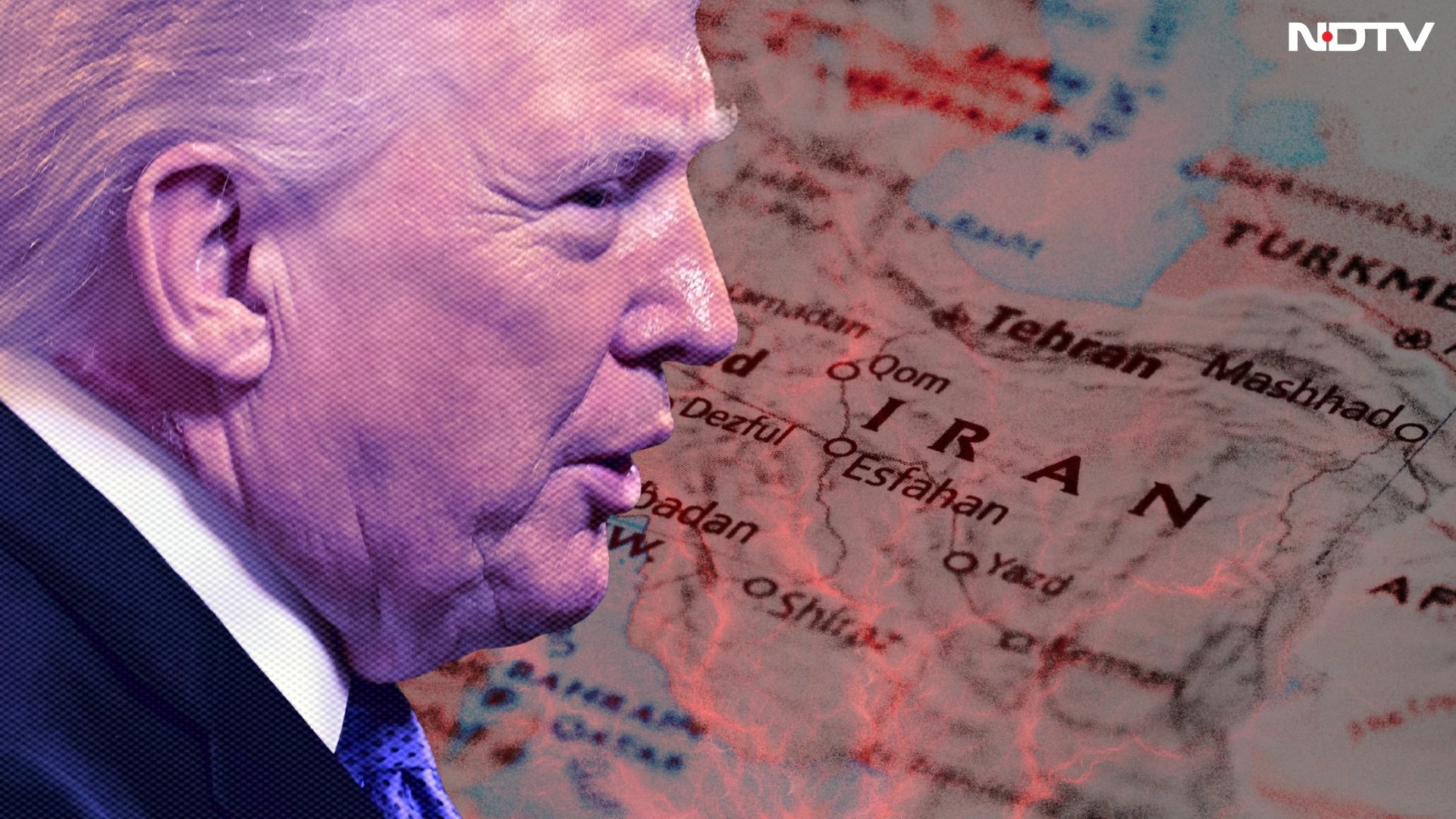
On 26 September 2026, President Donald Trump delivered a speech at the United Nations General Assembly in New York where he flatly dismissed Tehran's seven‑day plan to lift the blockade and reopen the Strait of Hormuz.
The Iranian proposal, handed to the U.S. by President Ebrahim Raisi and Foreign Minister Hossein Amirabdollahian, demanded Washington lift its naval blockade of Iranian ports, release frozen assets, and waive sanctions on oil sales—conditions that would let Tehran resume shipping crude through the strait within a week.
The offer arrived after a brief window of indirect talks that broke down in June, when a tentative ceasefire collapsed under a flare‑up of hostilities; Secretary of State Mariyam Rubio earlier said Washington was open to further talks, but Trump used the UN platform to threaten to "annihilate" the Islamic Republic.
Iran's economy has been strangled by sanctions, with the rial falling 70% against the dollar and consumer prices spiking 20% in the past year, forcing small merchants in Tehran to hike prices or close shop.
Trump said he is not in a rush to strike a deal and that Iran's proposal would not be acceptable, a comment that came as he headed to a football game; the White House has since said it is having "positive and constructive conversations" with mediators.
With the U.S. maintaining its blockade and sanctions, Tehran is doubling down on diplomatic outreach ahead of the November midterms, and the next key development will be a U.S. decision on whether to lift the blockade, expected in the next few weeks.